
Buenos Aires
A Guide for Travelers
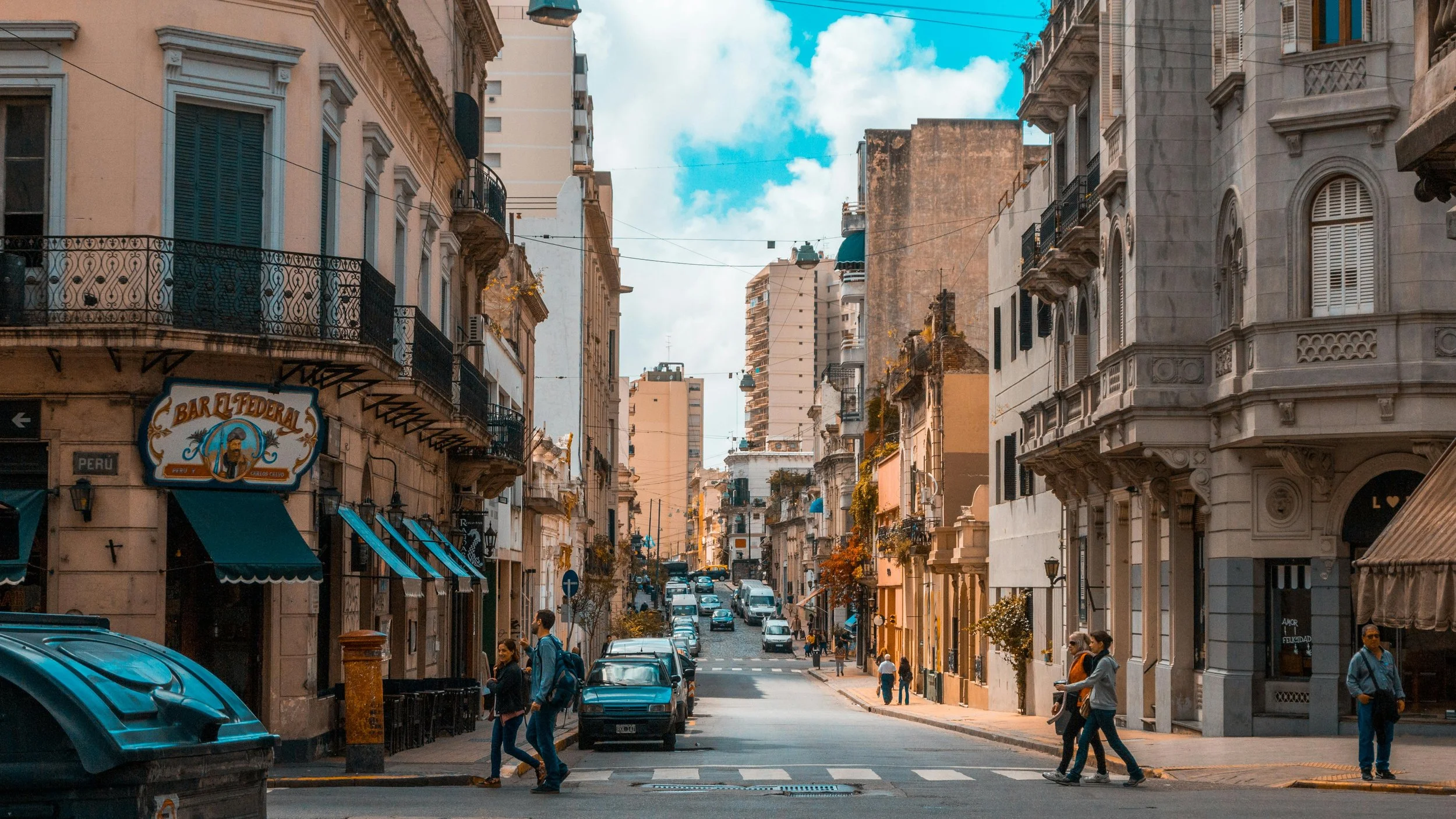
Vibrant, eclectic, and full of life, Buenos Aires is a city that pulses with culture, history, and style. European elegance meets Latin energy in its streets, from the cobblestones of San Telmo to the tree-lined avenues of Recoleta, and from the trendy cafés of Palermo to the modern waterfront of Puerto Madero. Every neighborhood has its own personality, offering a mix of art, architecture, and culinary experiences that make the city feel endlessly discoverable.
This guide is designed to help you make the most of your time here, highlighting the city’s must-see attractions, iconic streets, curated cafés, restaurants, museums, and experiences. Whether strolling historic districts, enjoying a tango show, or sipping a coffee in a sunlit café, Buenos Aires promises a rich and unforgettable urban adventure—perfect for a short but immersive stay.
Best Time to Visit Buenos Aires
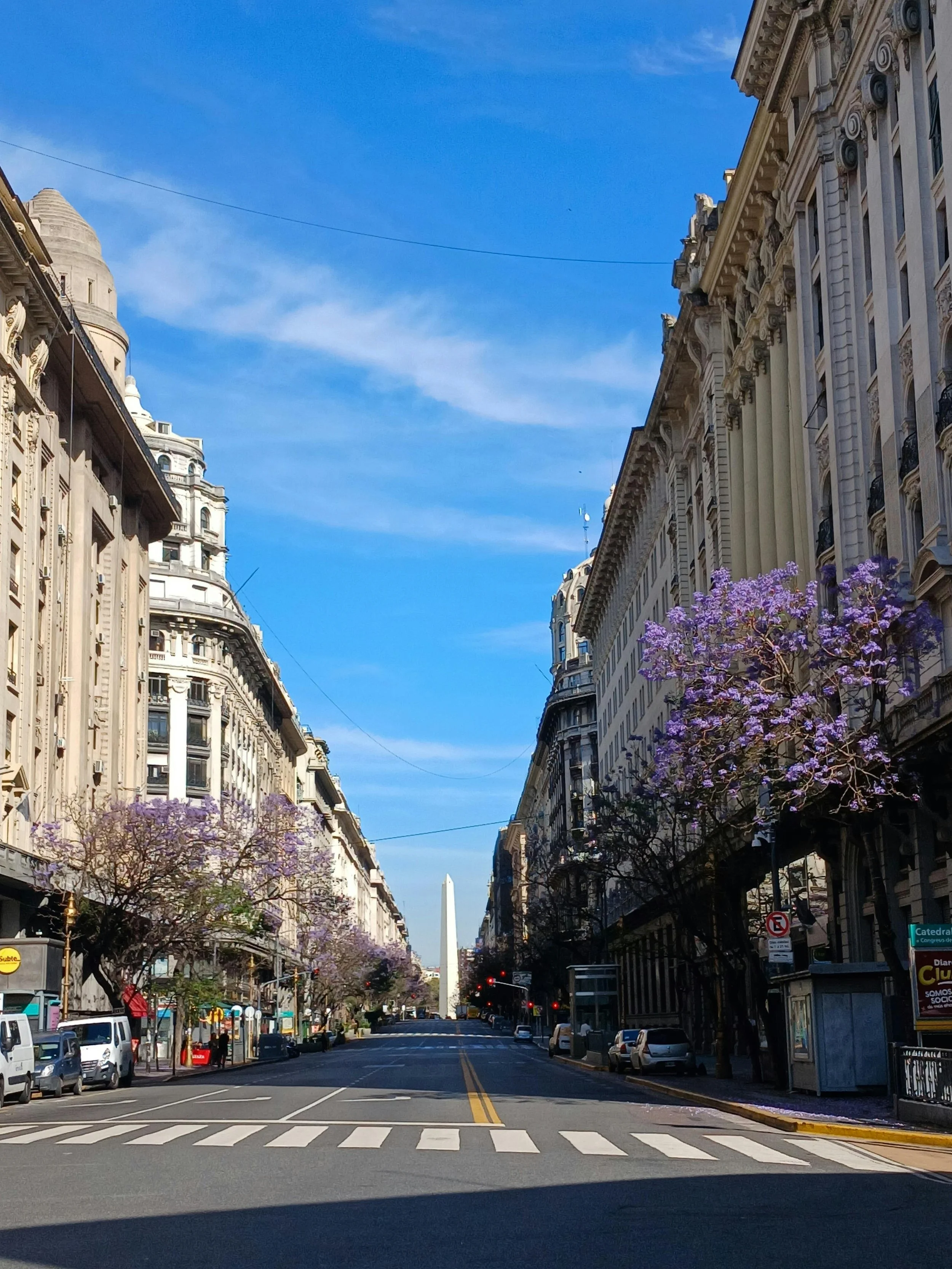
Buenos Aires is a city that can be enjoyed year-round, but the experience changes with the seasons. Spring (September–November) and fall (March–May) are the most pleasant, with mild temperatures, blooming jacarandas in spring, and comfortable streets for strolling. Summer (December–February) can be hot and humid, perfect for rooftop drinks or early morning walks but best avoided for long city strolls in the afternoon. Winter (June–August) is cooler and drier, ideal for museum visits, café hopping, and enjoying the city’s cozy indoor life.
In this Article:
Before You Go: Essentials
Neighborhood Guide
Top 5 Museums & Cultural Spaces
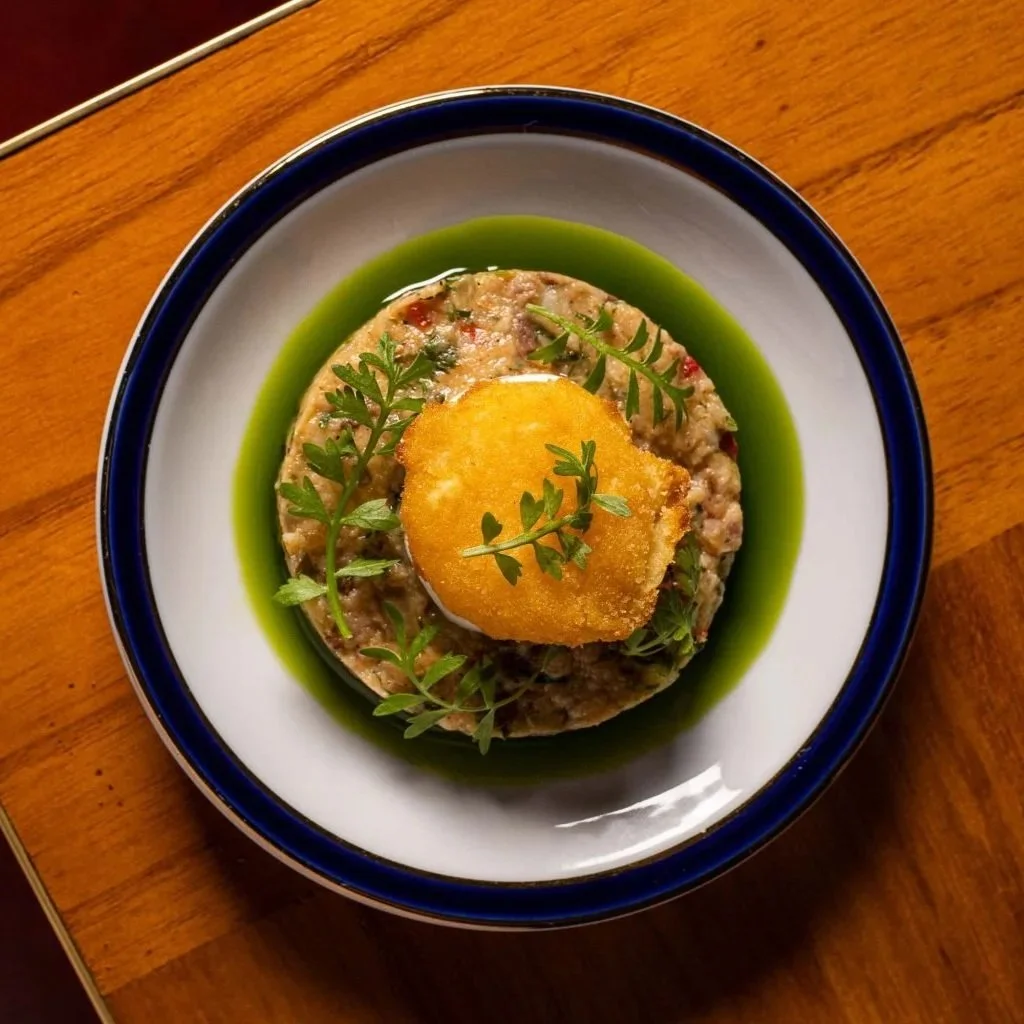
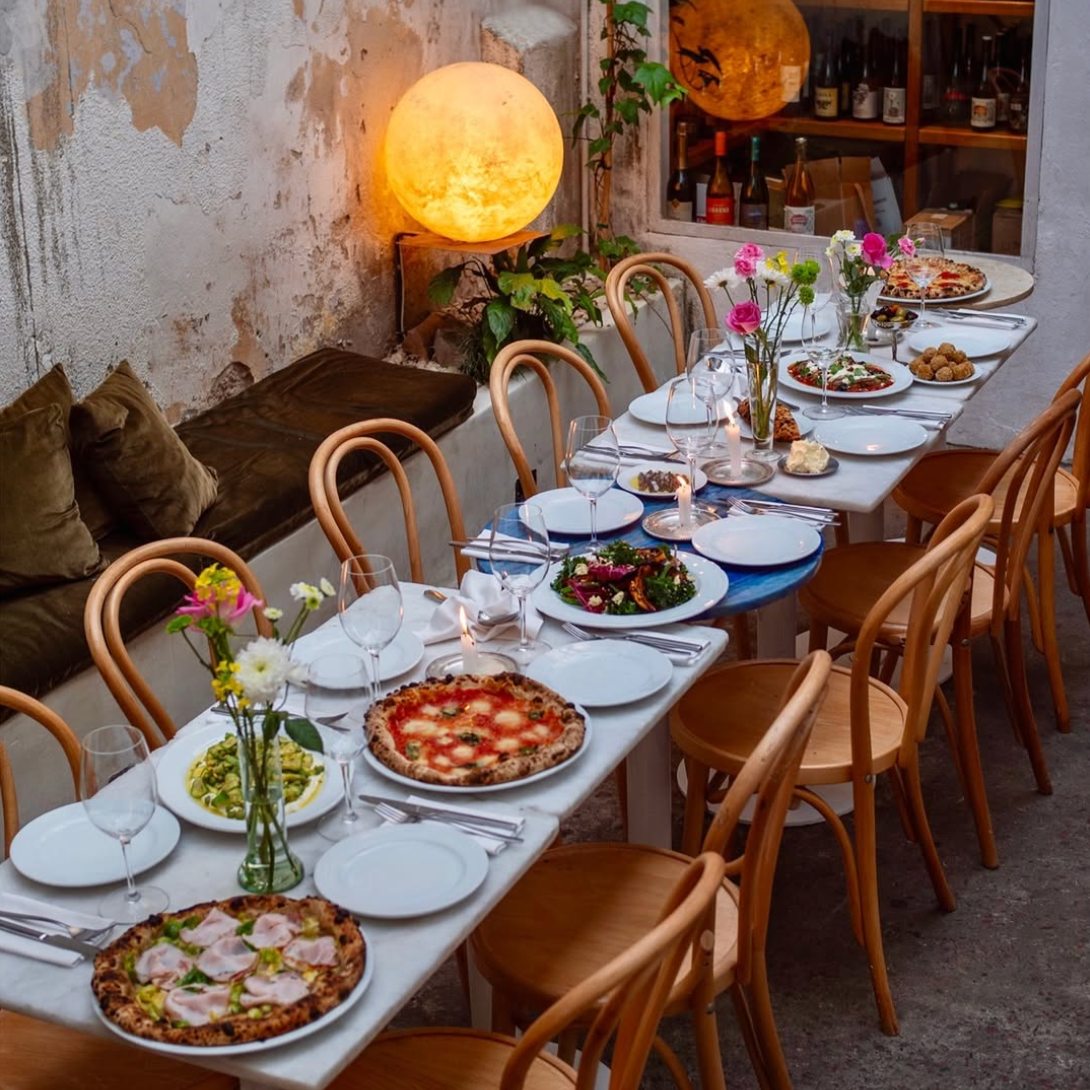
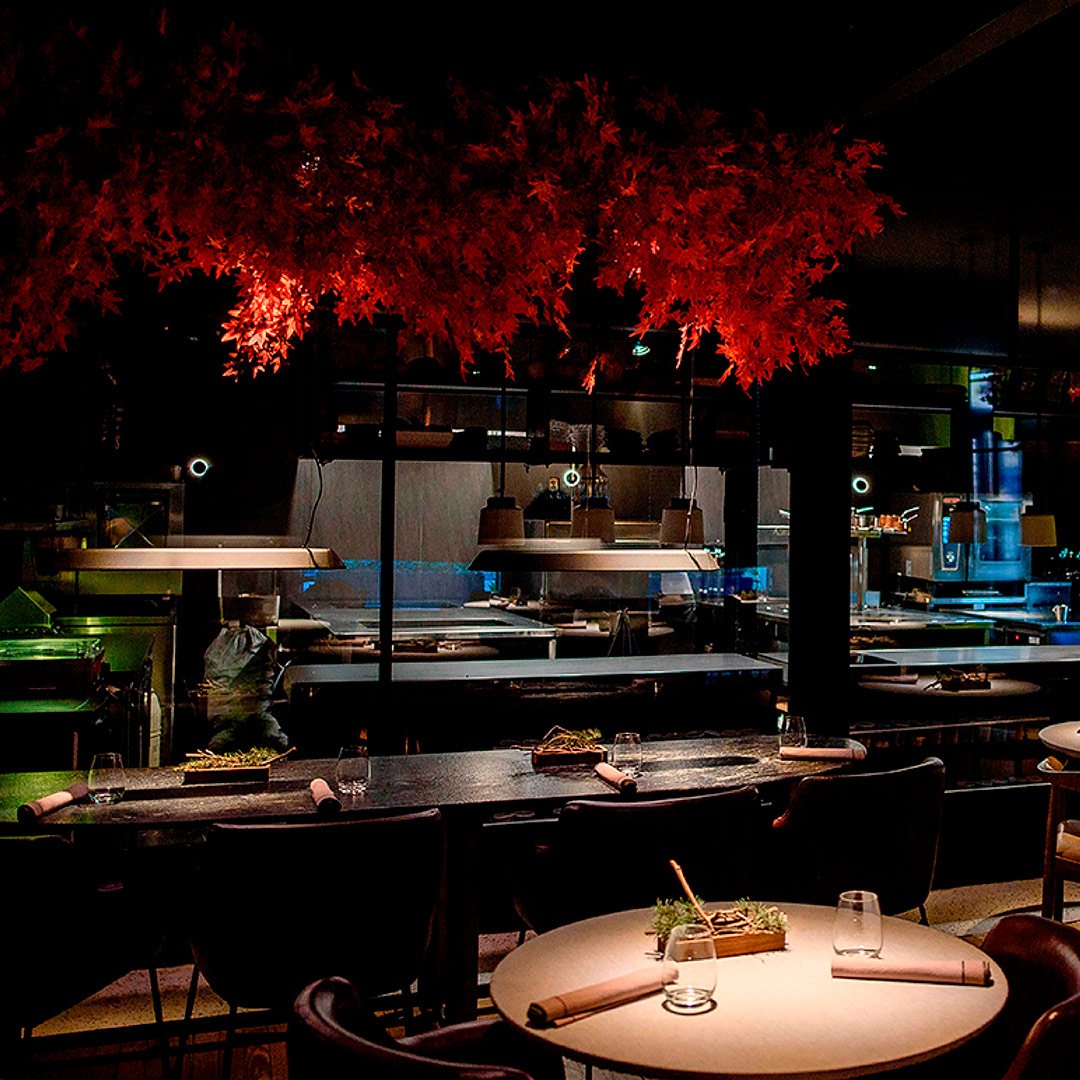
Top 5 Restaurants
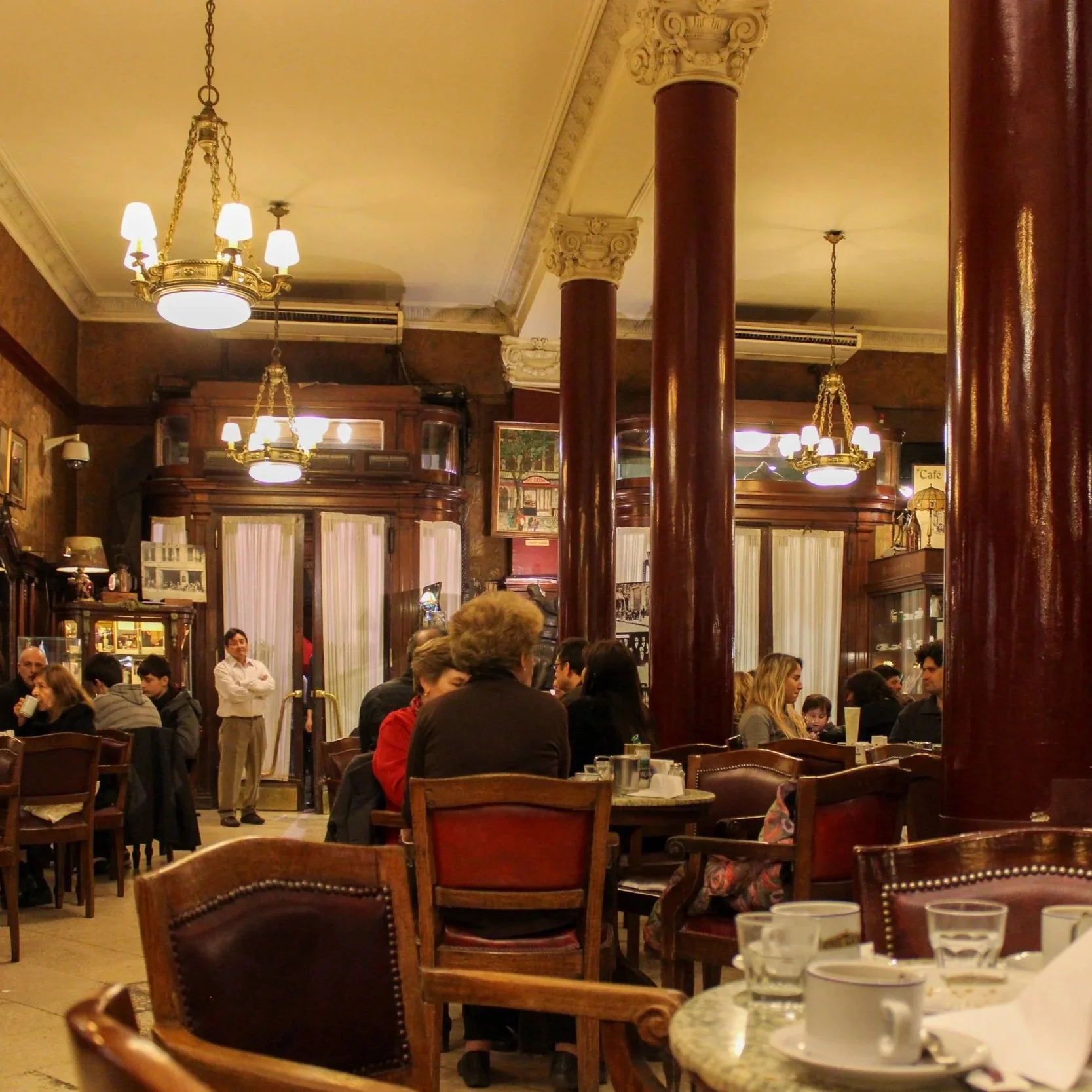
Top 5 Cafés
Top 5 Wine Bars & Shops
A Few Local Favorites to Try
Parks & Green Spaces
Best Sunset Spots
Bookstores
Nightlife & Cultural Experiences
Final Note from Gritara
Before You Go: Essentials
Money & Payments
Currency: Argentine peso (ARS)
Cards vs cash: Credit/debit cards widely accepted; small shops & cafés may prefer cash
Exchange tips: Official rate is best; avoid street exchangers
Getting Around
Rideshare: Uber and Cabify work well
Subte (metro): Fast and cheap for longer distances
Walking: Many neighborhoods (Palermo, Recoleta, San Telmo) are walkable
Local Culture Tips
Dinner time: Typically 9–11 PM
Tipping: 10% standard in restaurants
Reservations: Recommended for popular restaurants and cafés
Small Cultural Notes
Café culture: Sitting in cafés is a daily ritual; perfect for people-watching
Sunday vibe: San Telmo market, relaxed streets, and open-air cafés
Safety: As in any big city, stay aware in crowded areas, avoid poorly lit streets at night
don’t walk with your phone in hand and keep your belongings where you can see them
Neighborhood Guide
Buenos Aires is a city of distinct neighborhoods, each with its own personality, architecture, and rhythm. From historic districts filled with cobblestone streets to leafy areas known for cafés and boutiques, exploring these neighborhoods is one of the best ways to experience the city.
Palermo (Soho & Hollywood)
Palermo is the city’s largest and most dynamic neighborhood, known for its tree-lined streets, creative energy, and vibrant food scene. Palermo Soho is filled with boutiques, cafés, and design shops, while Palermo Hollywood is known for restaurants, cocktail bars, and nightlife.
Best for: cafés, restaurants, wine bars, boutique shopping.
Wander: Honduras, El Salvador, Gurruchaga
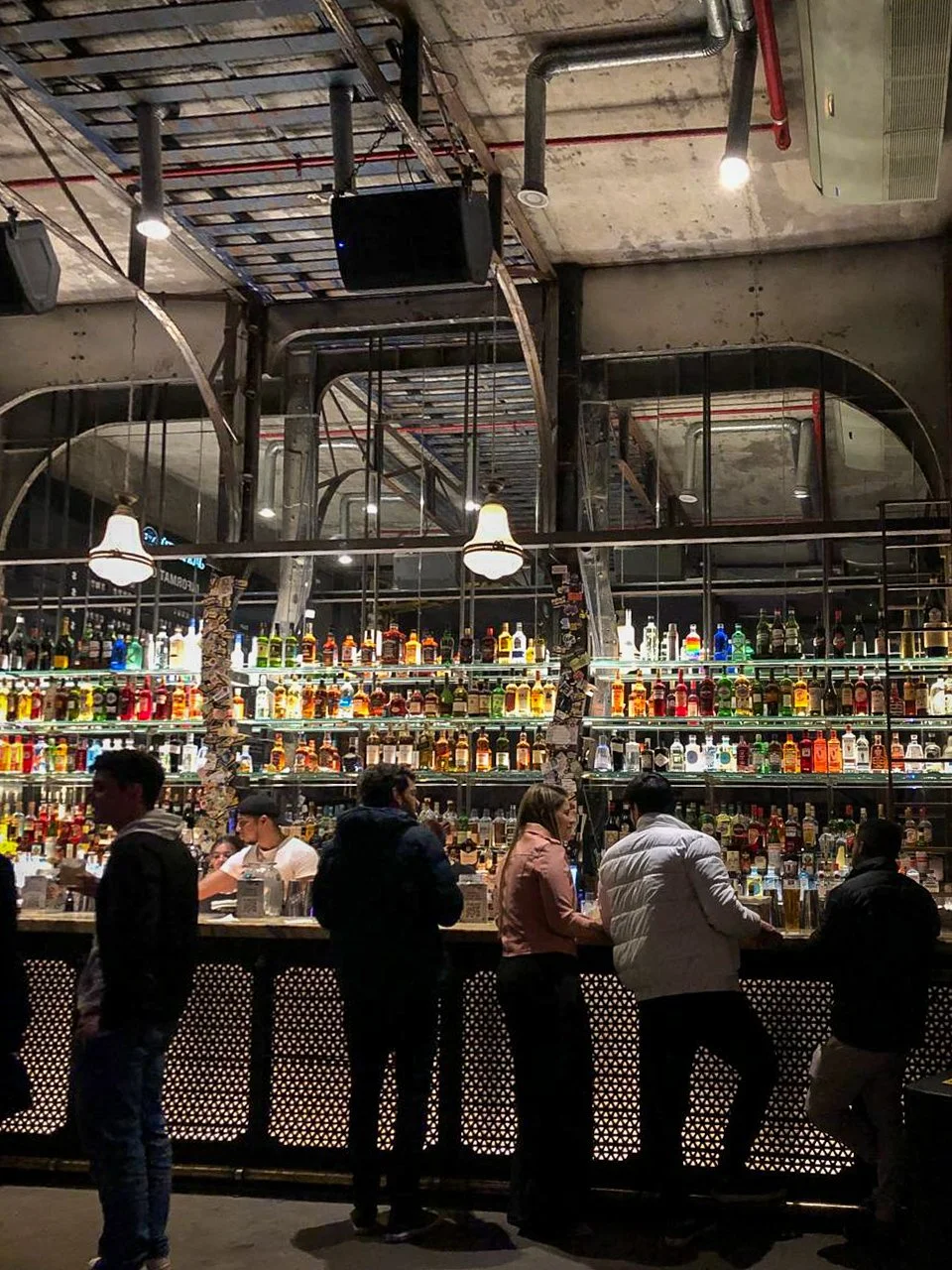
Recoleta
Elegant and refined, Recoleta is known for its Parisian-style architecture, wide avenues, and cultural landmarks. It’s home to some of the city’s most important museums, historic cafés, and the famous cemetery.
Best for: museums, architecture, and relaxed city walks.
Wander: Avenida Alvear and the streets around Plaza Francia
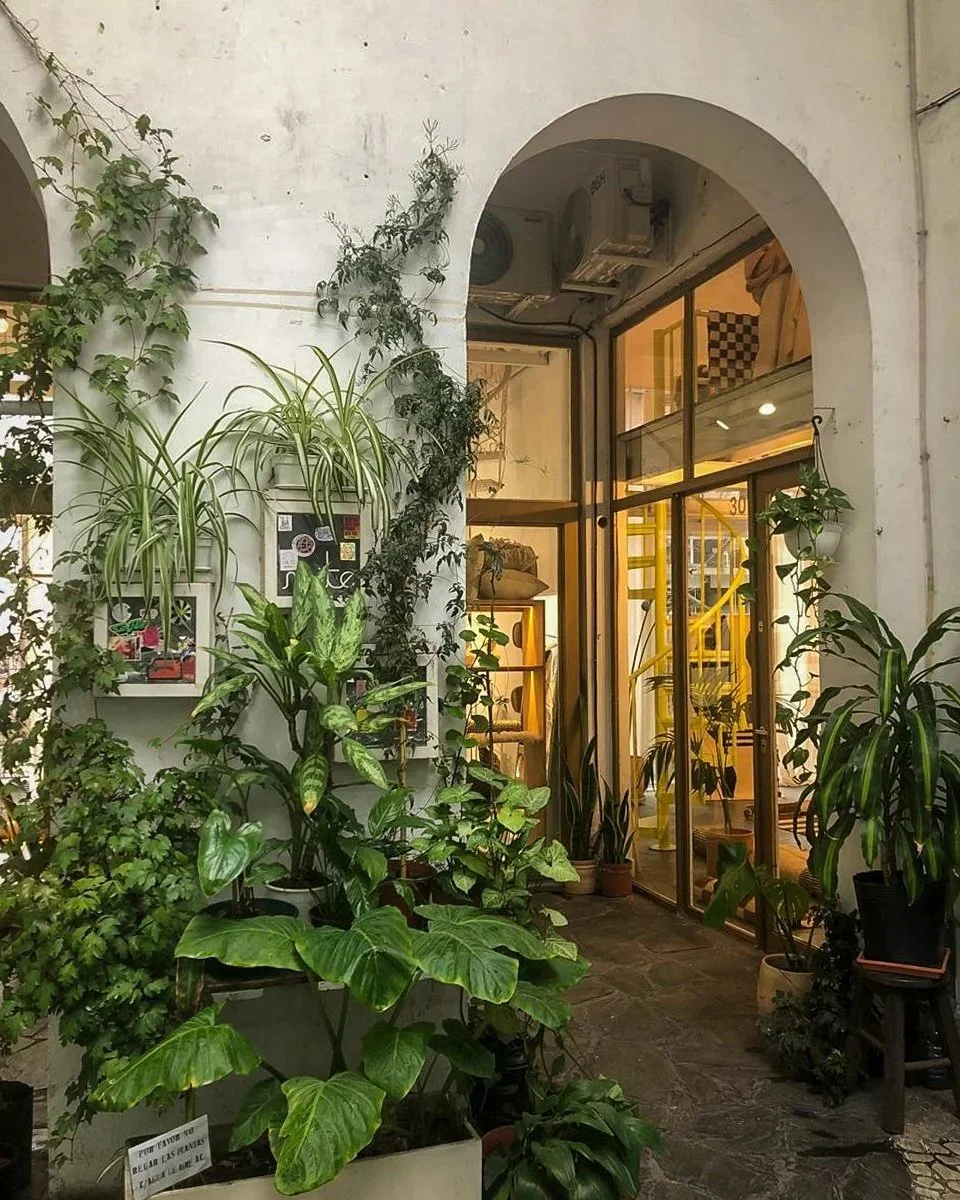
San Telmo
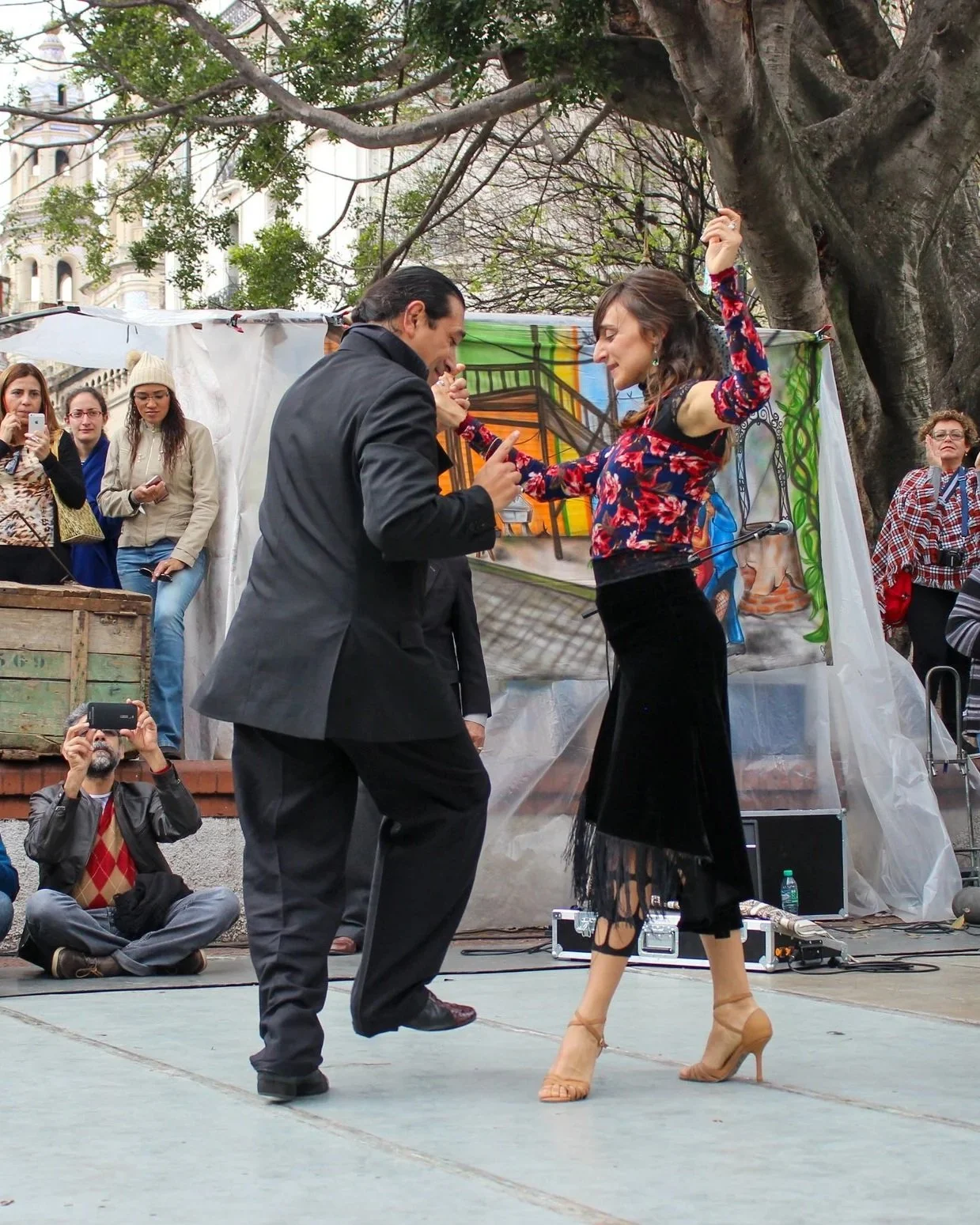
One of Buenos Aires’ oldest neighborhoods, San Telmo is known for its cobblestone streets, antique shops, and strong tango culture. On Sundays, the area comes alive with the famous street market along Defensa Street.
Best for: historic atmosphere, tango culture, and the Sunday market.
Wander: Calle Defensa
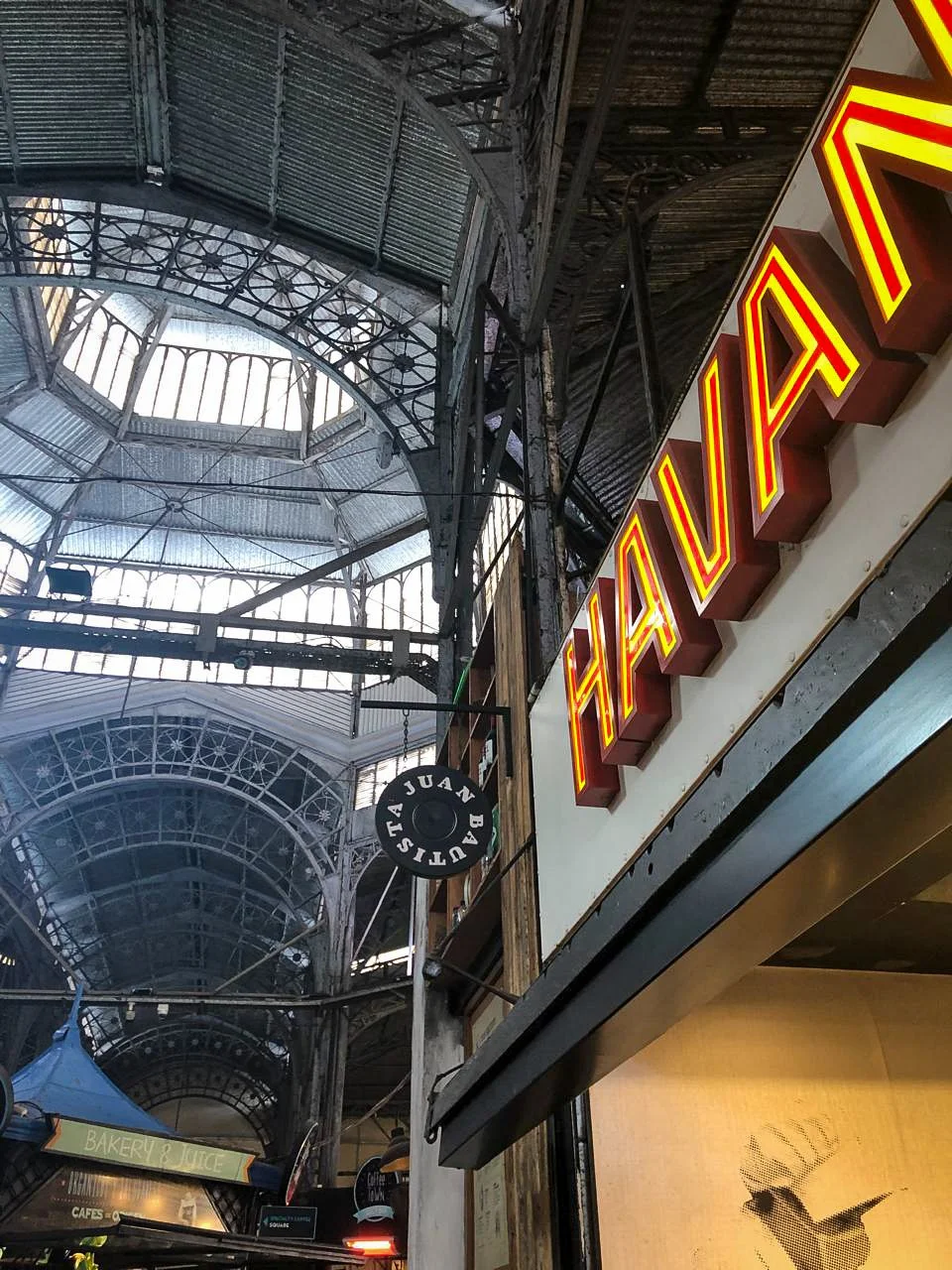
Puerto Madero
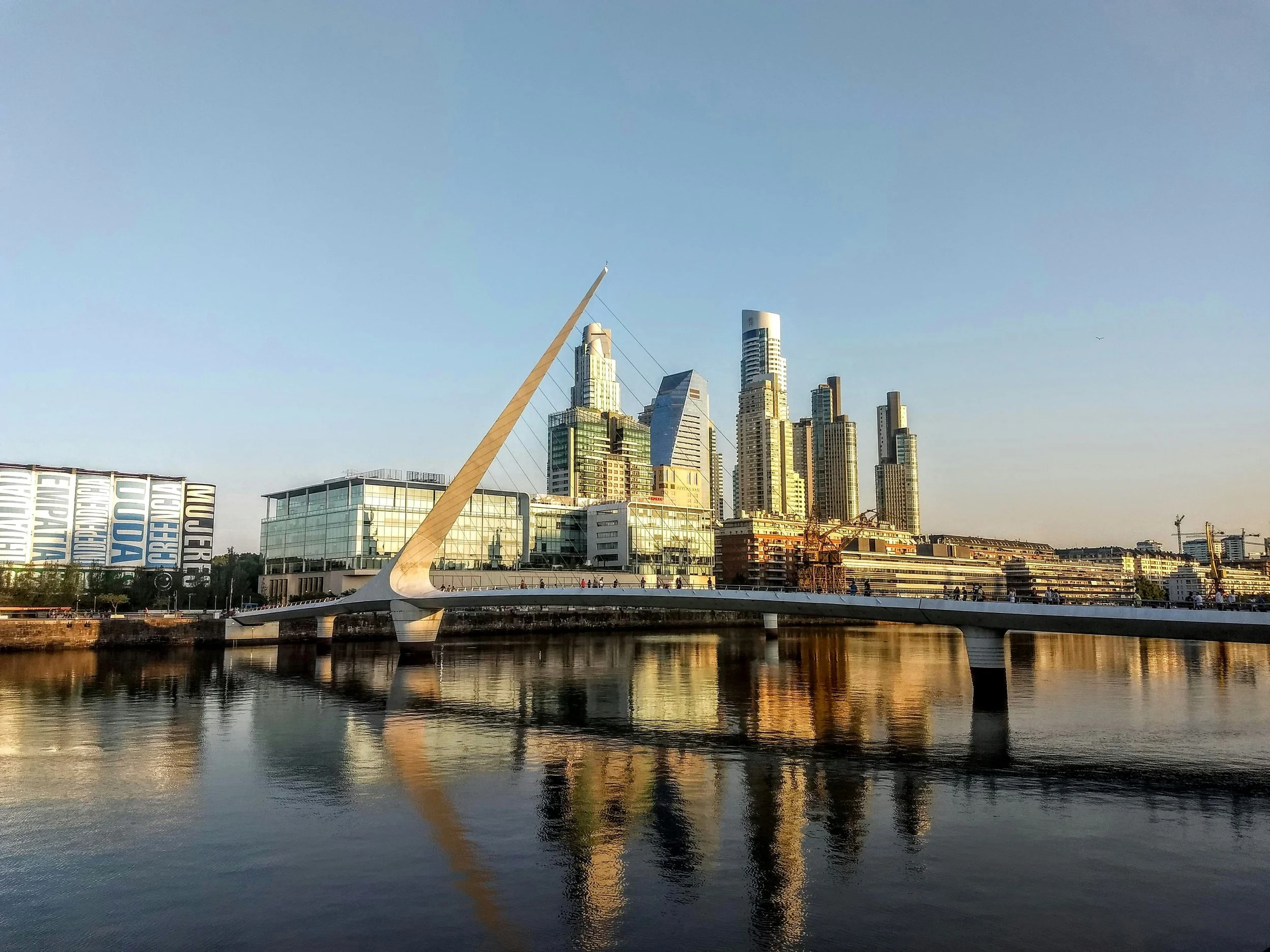
Puerto Madero is the city’s modern waterfront district, where former port warehouses have been transformed into restaurants, hotels, and promenades. It’s a great place for a sunset walk along the river.
Best for: waterfront views, evening strolls, and dining.
Wander: the docks along the waterfront promenade

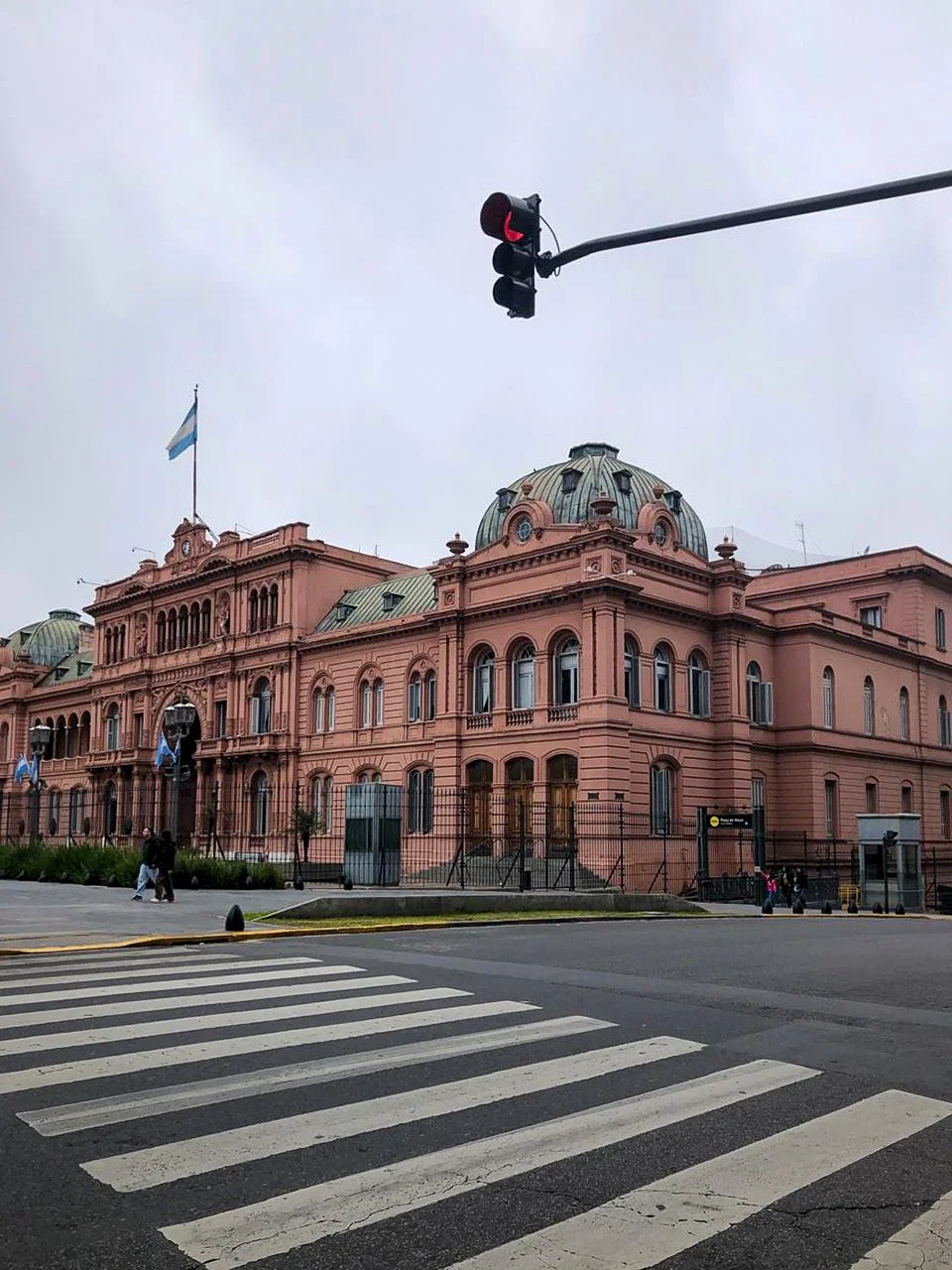
Microcentro / San Nicolás:
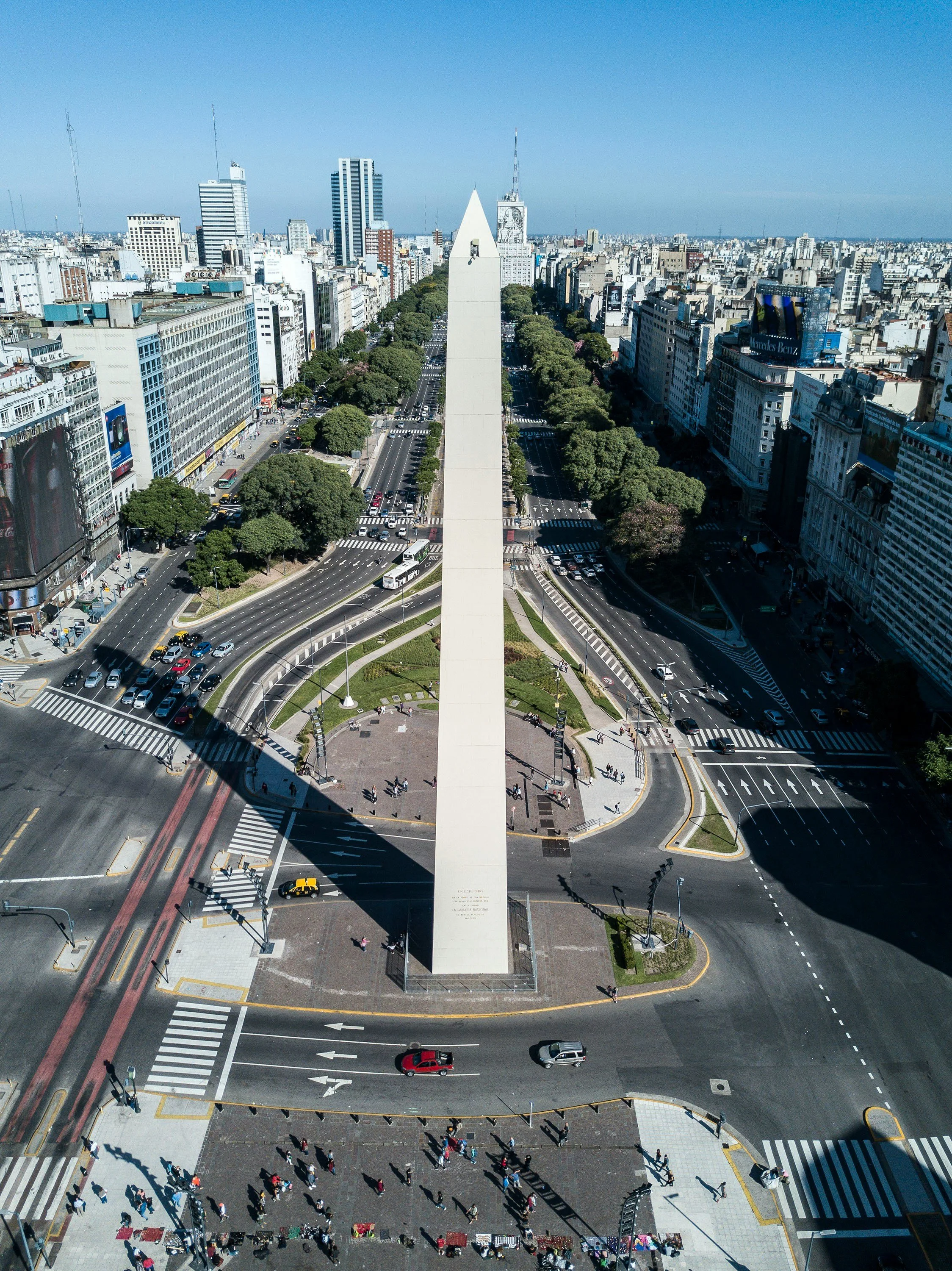
This is the historic and political heart of Buenos Aires, where you’ll find iconic landmarks like the Obelisk and the city’s main avenues. It’s busy during the day and ideal for visiting some of the city’s most recognizable sites.
Best for: iconic landmarks and historic city center.
Wander: Avenida Corrientes and the streets around the Obelisk
La Boca:
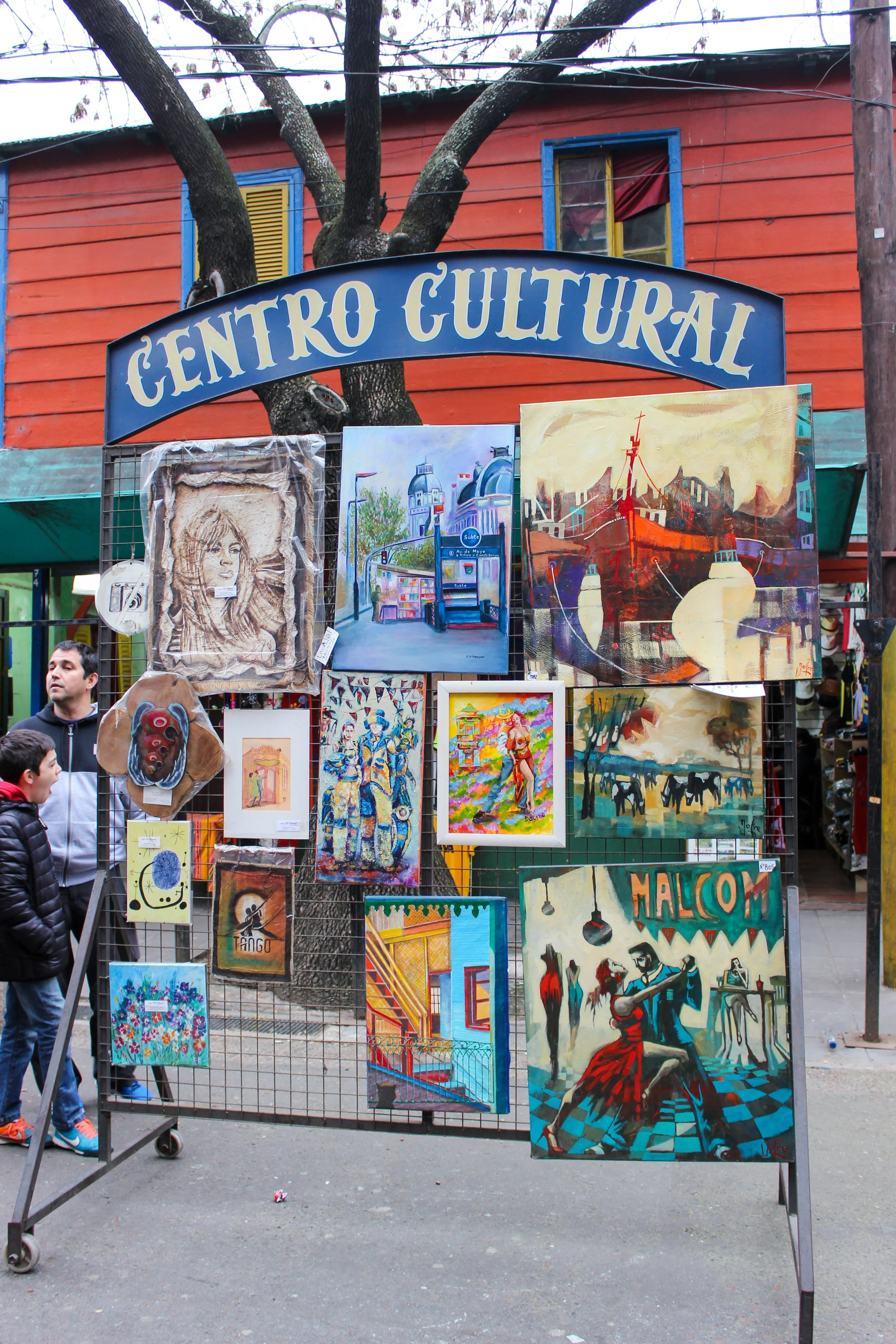
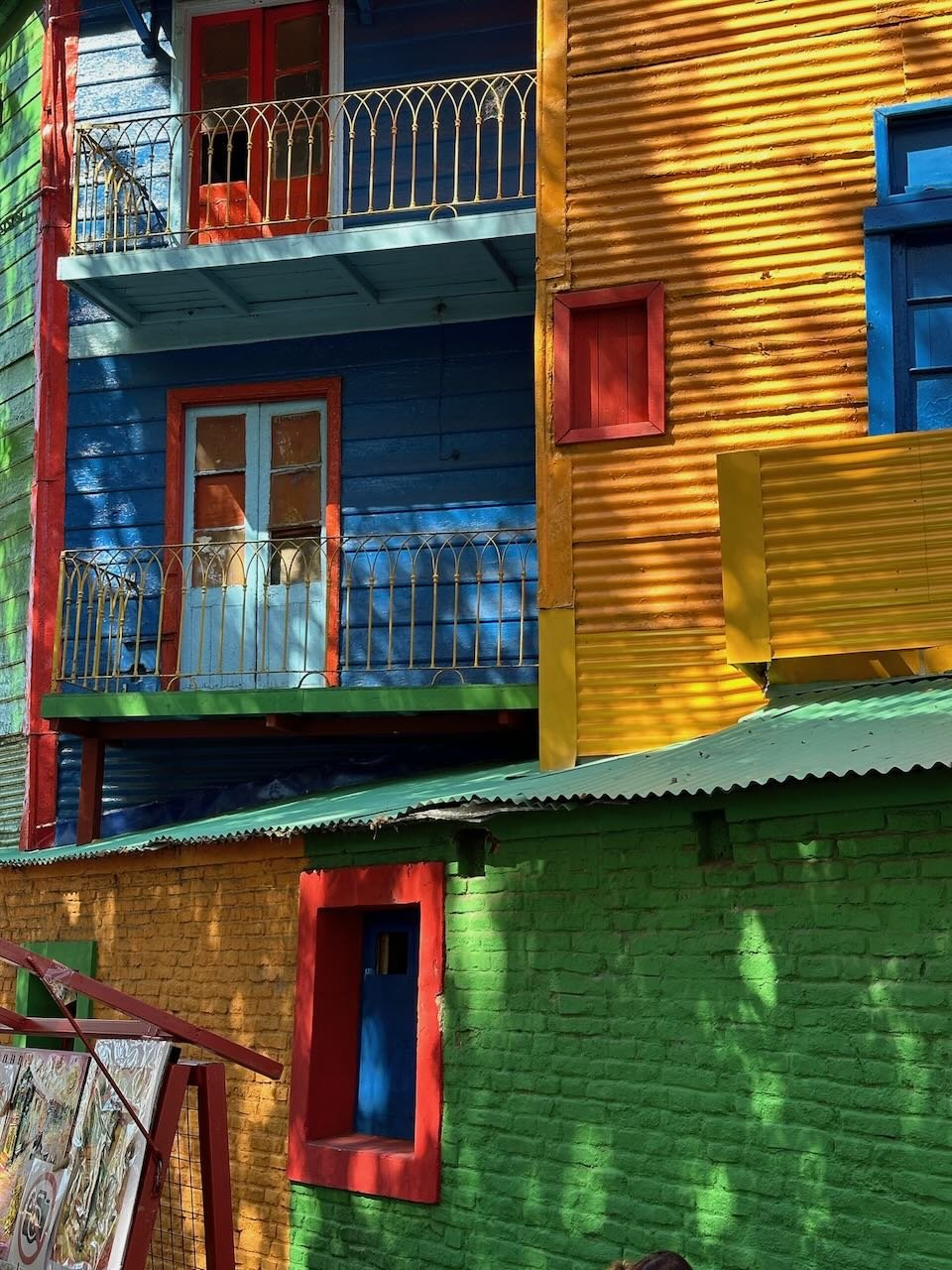
Famous for its brightly painted houses and strong immigrant history, La Boca is one of the most recognizable areas of Buenos Aires. The small street museum of Caminito is filled with colorful buildings, tango dancers, and local art. The neighborhood is also home to La Bombonera, the legendary stadium of Boca Juniors and one of the most famous football venues in the world.
Best for: photos, street art, and a short cultural stop.
Wander: Caminito
(Tip: Visit during the day and stay within the main tourist areas.)
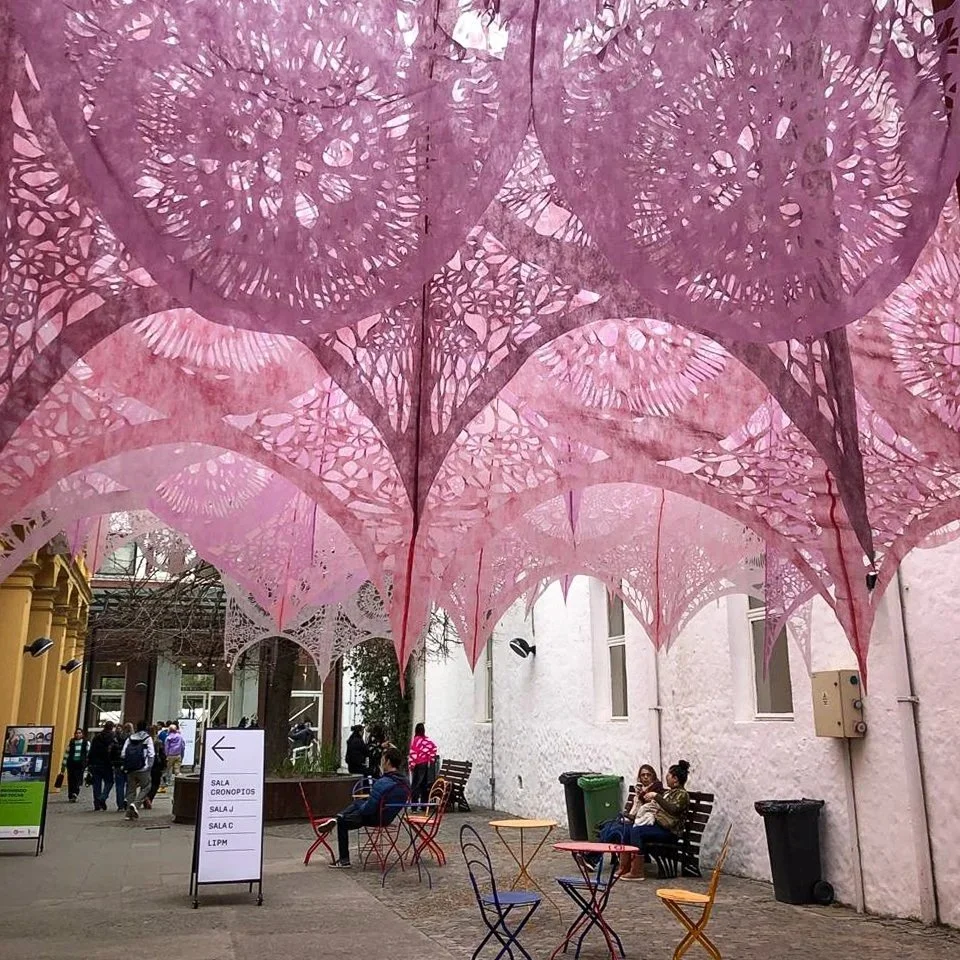
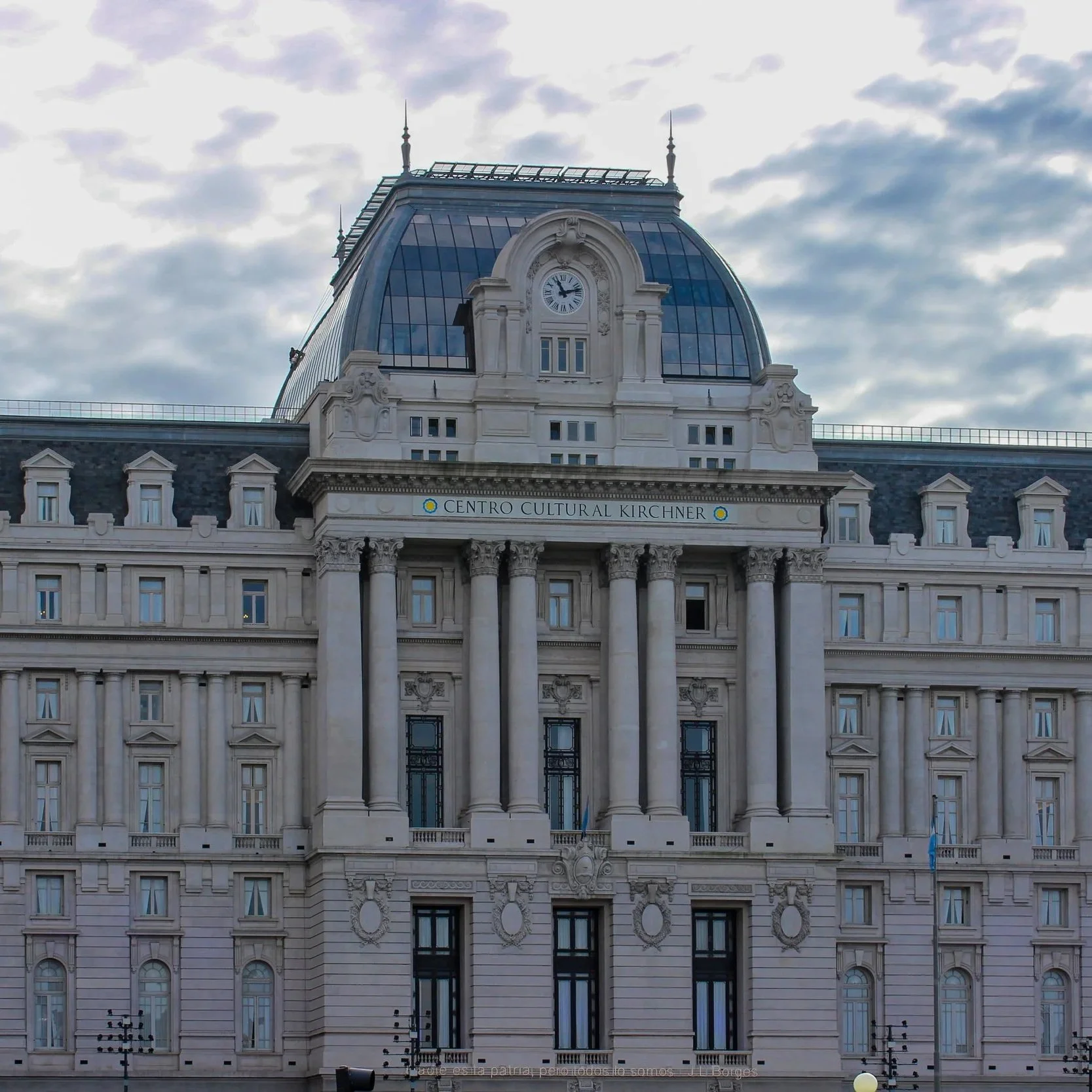
Top 5 Museums & Cultural Spaces
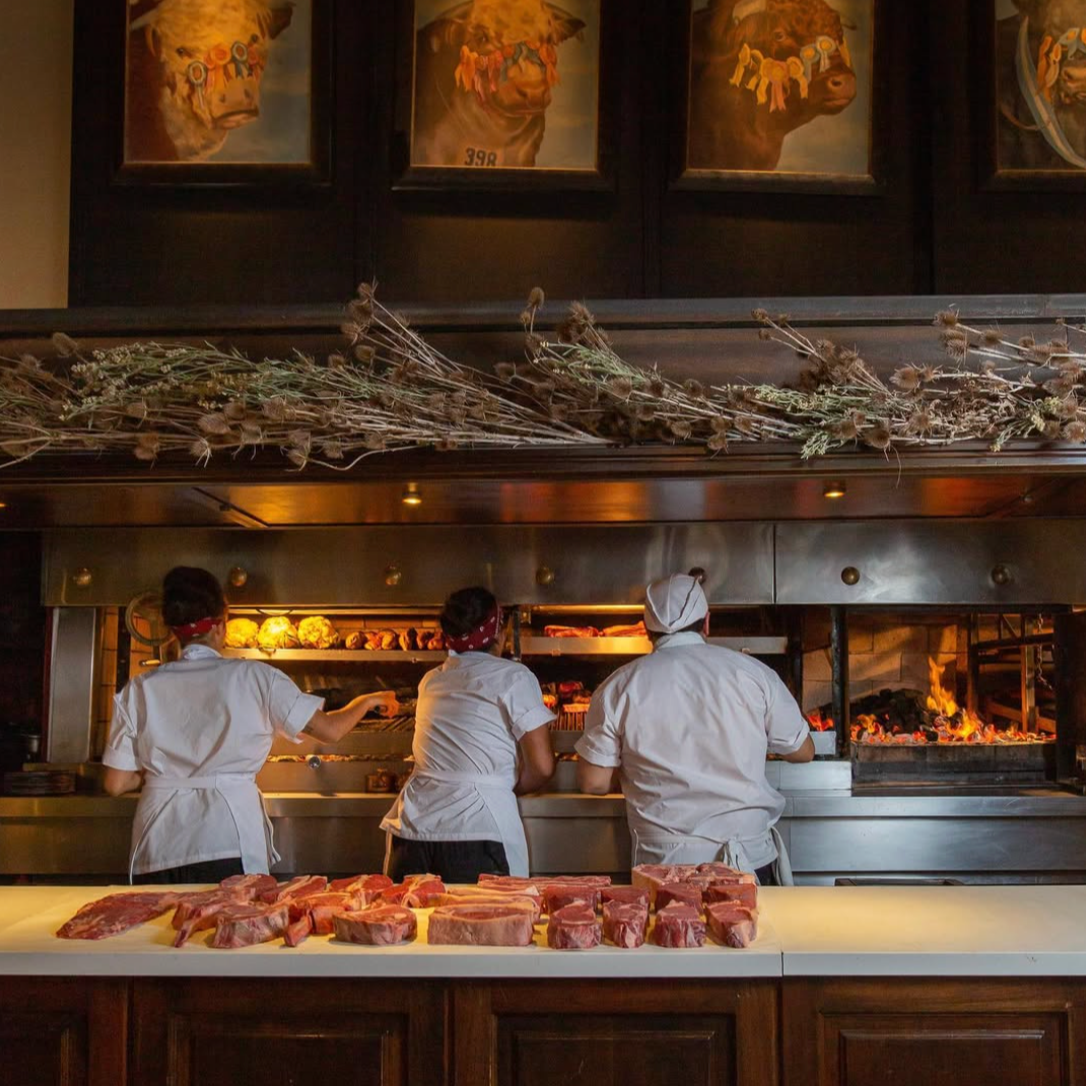
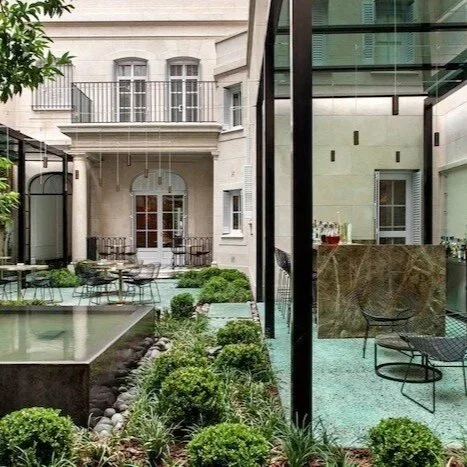
Top 5 Restaurants
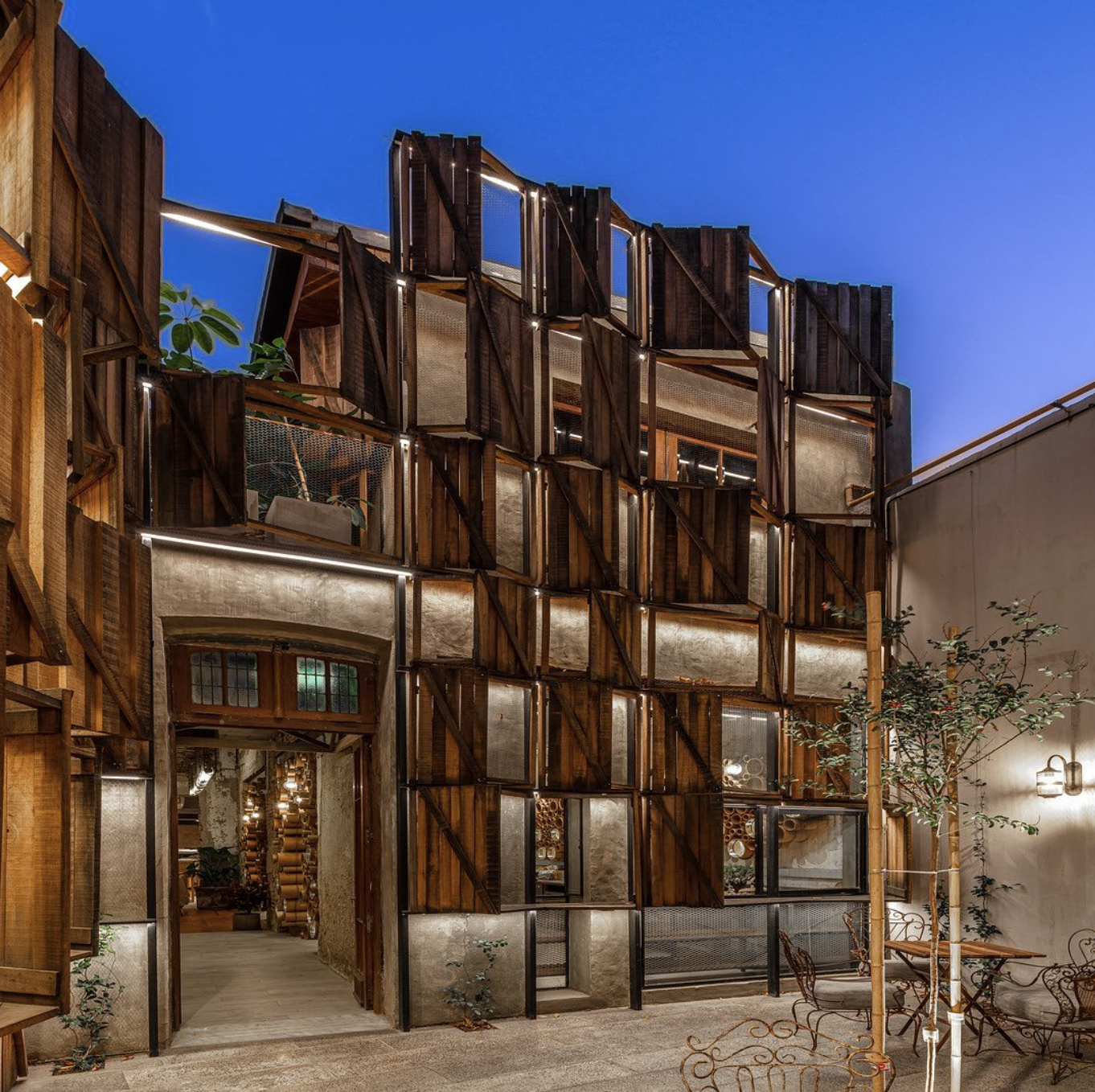
Top 5 Cafés
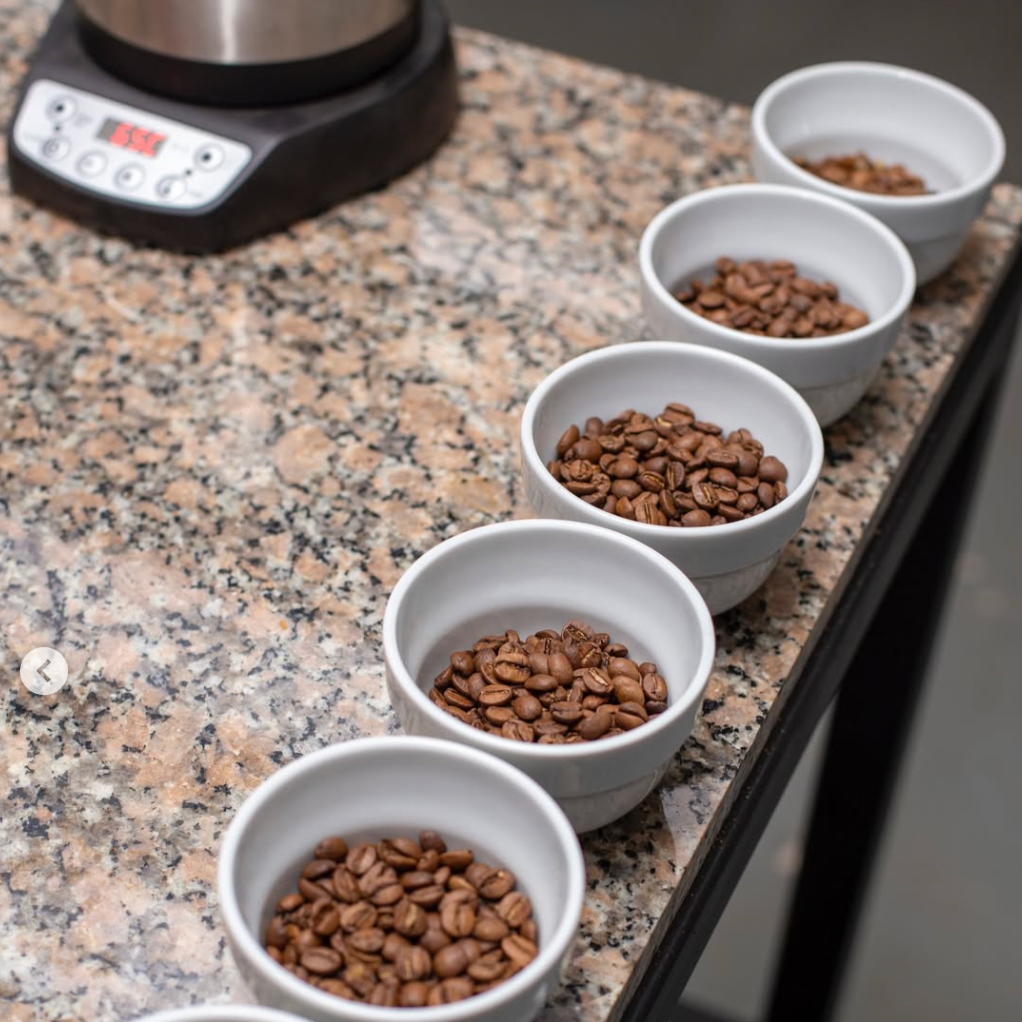
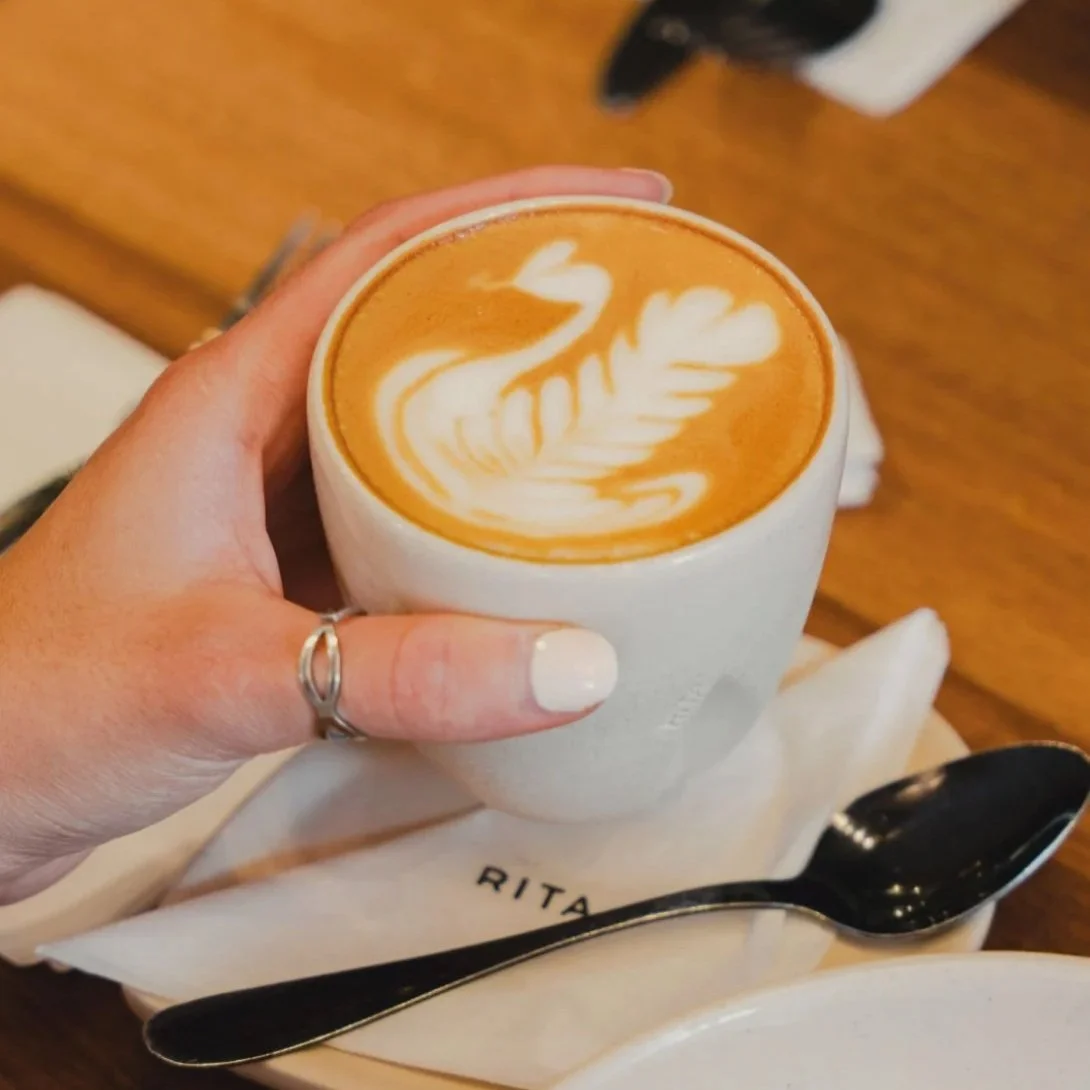
Cafés are an essential part of daily life in Buenos Aires. Locals often spend hours sitting at a table—reading, working, or simply talking with friends. Whether in historic cafés or modern specialty coffee shops, ordering coffee here comes with its own small language.
If you visit a traditional café in Buenos Aires, these are some of the most common ways to order coffee:
Café – A single shot of espresso.
Cortado – Espresso with a small amount of milk.
Café con leche – Half coffee, half milk. Usually served in a larger cup.
Lágrima – Mostly milk with just a small “tear” of coffee.
En jarrito – If you order a café or cortado, the waiter may ask “¿en jarrito?” meaning a slightly larger cup, usually with two espresso shots.
Capuchino – Unlike in Italy, there are no strict rules here—you can order one any time of the day.
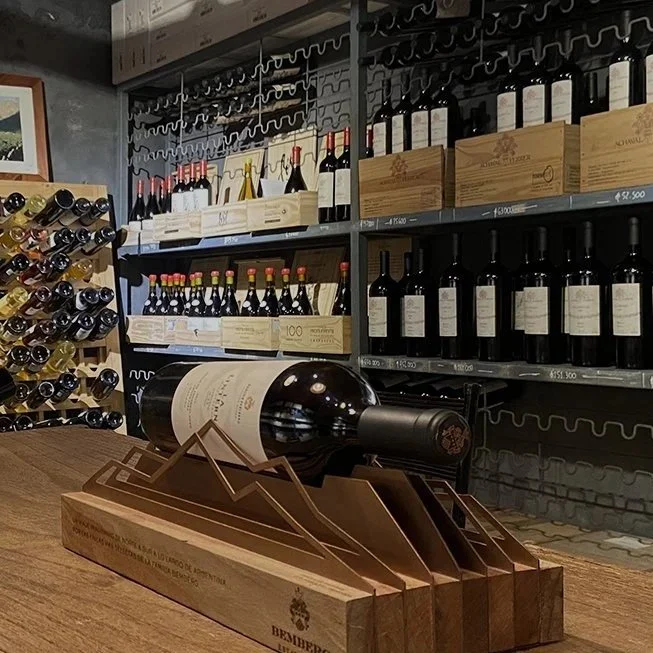
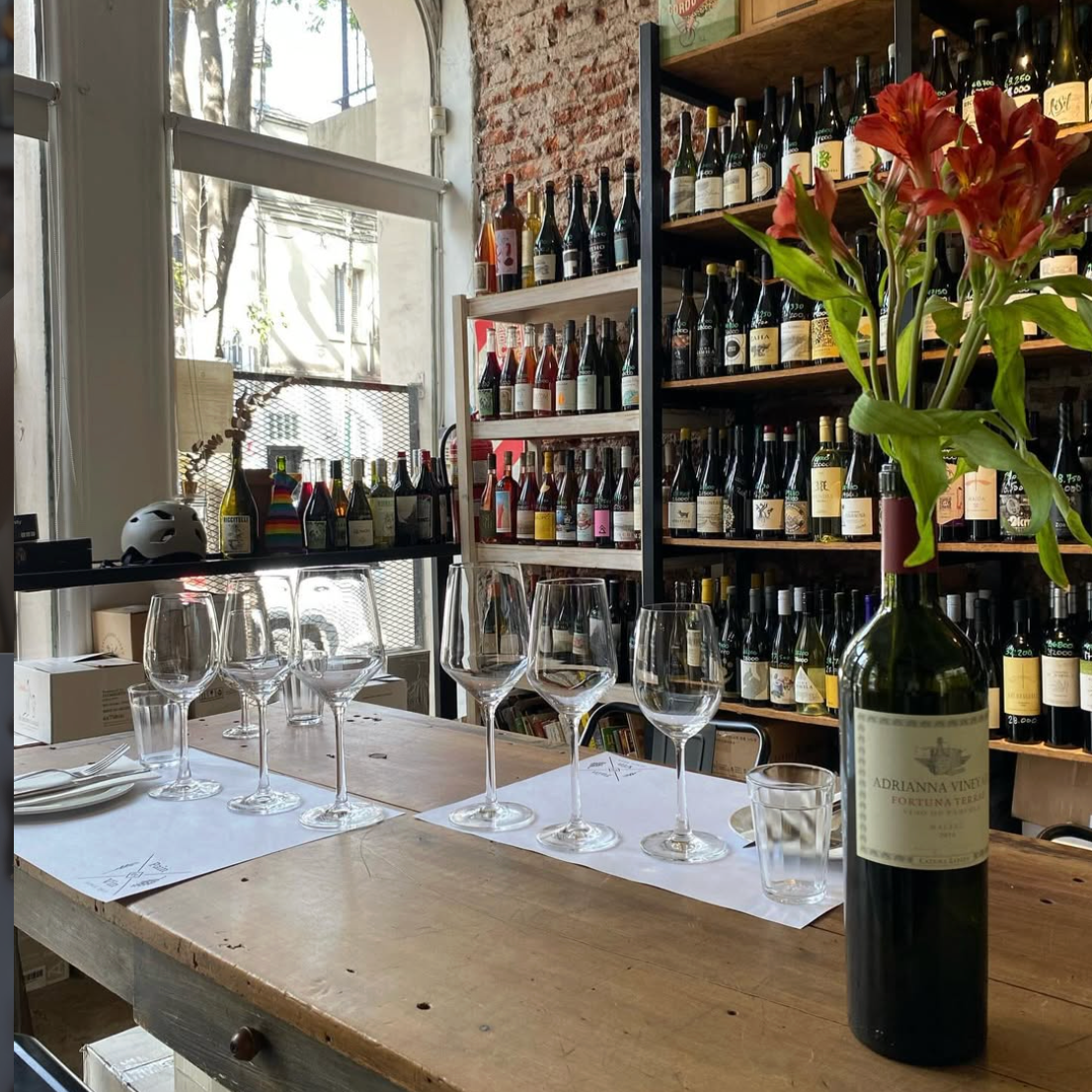
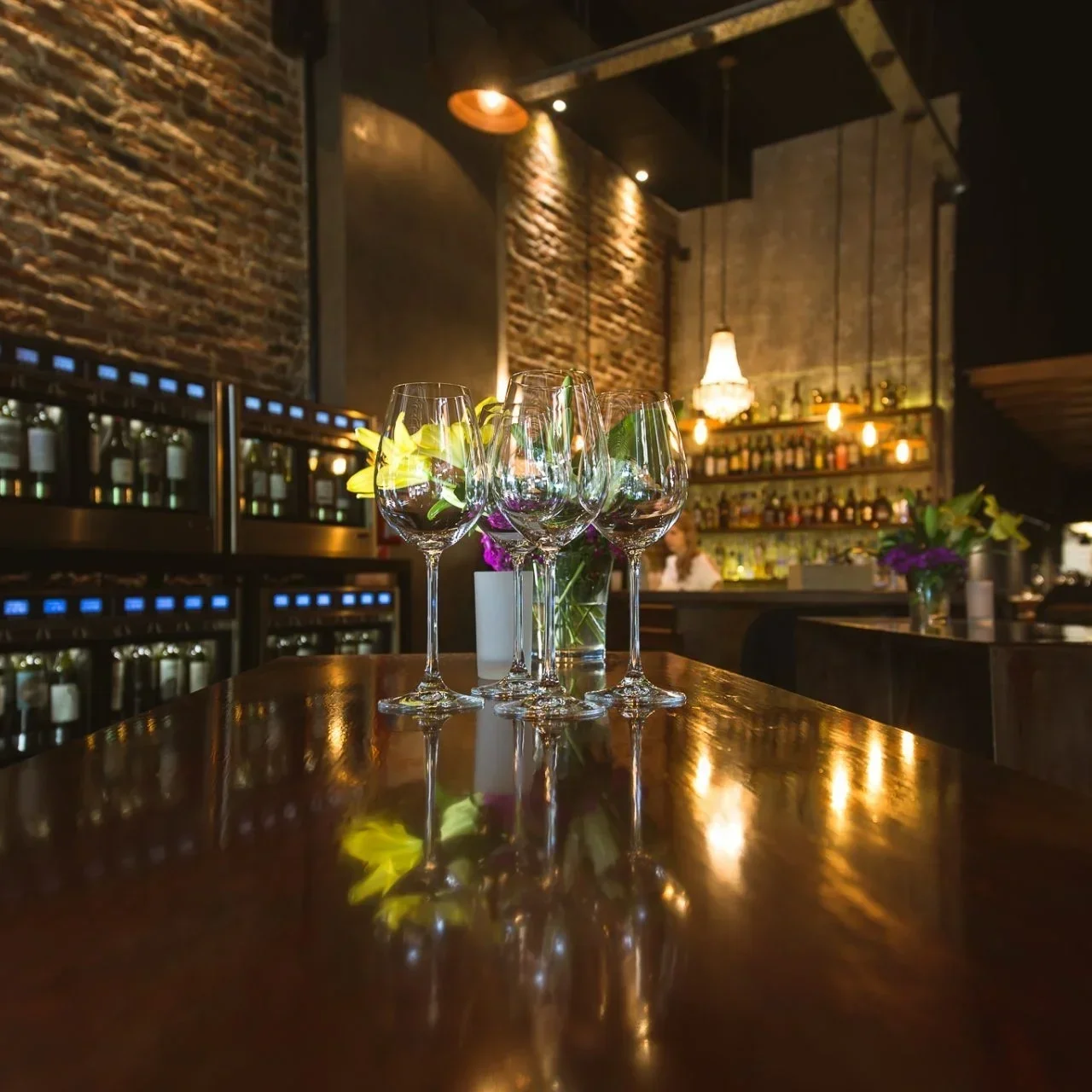
Top 5 Wine Bars & Shops
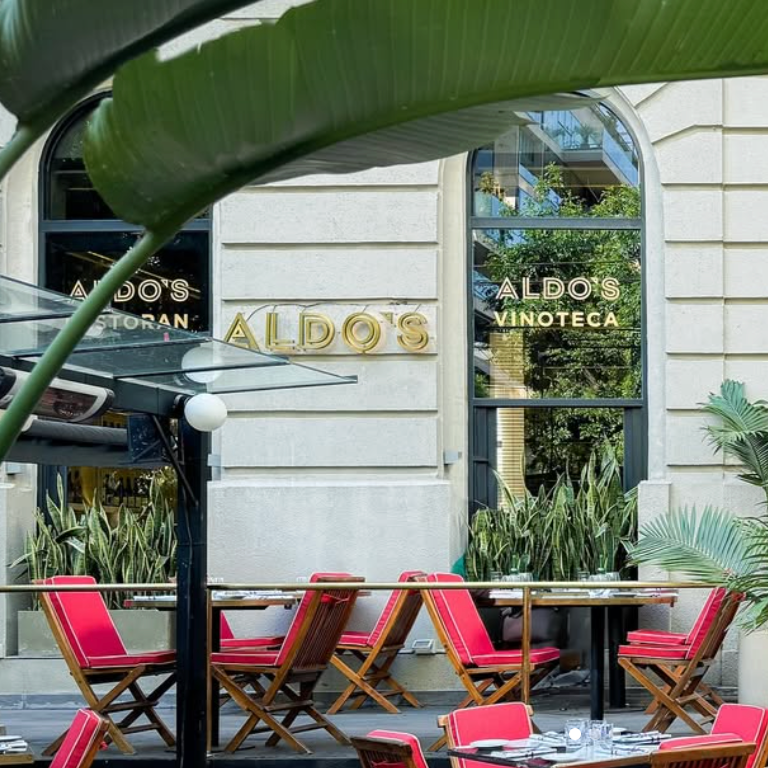
A Few Local Favorites to Try
A few local classics worth trying while in Buenos Aires—simple, iconic, and part of everyday culture.
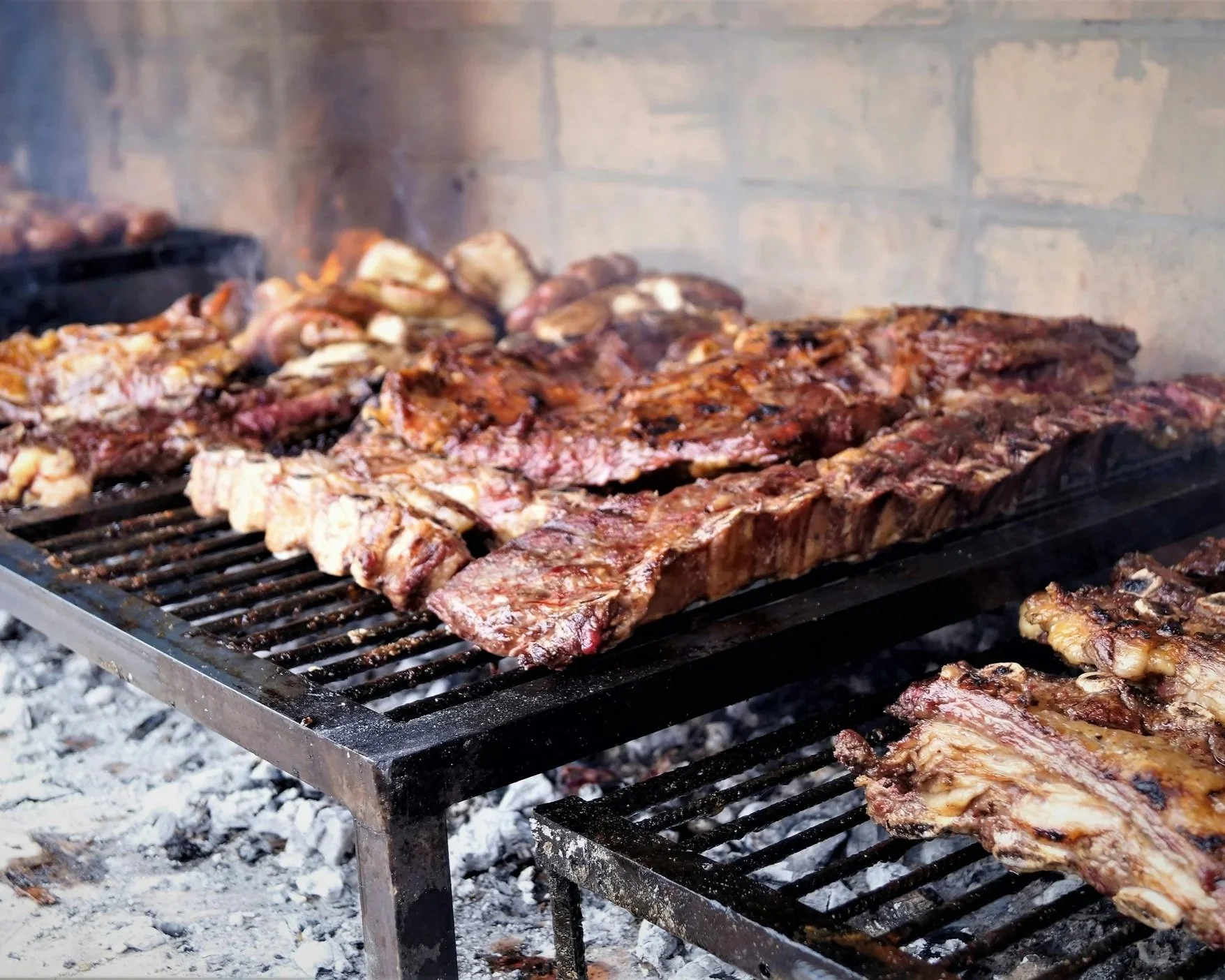
Asado – Argentina’s classic barbecue, featuring different cuts of meat cooked over fire.
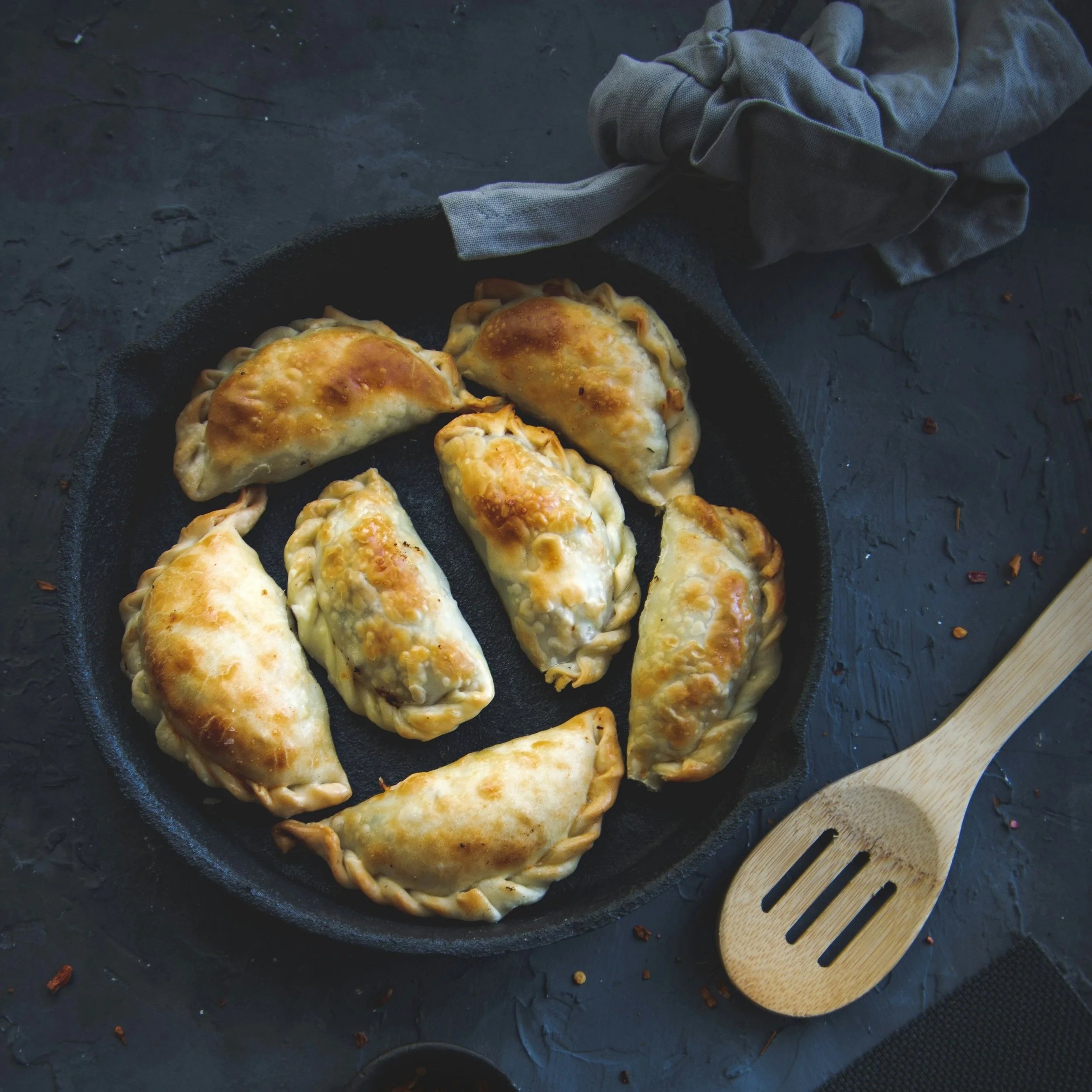
Empanadas – Savory pastries filled with meat, cheese, or vegetables, perfect for a quick bite.
Milanesa – Breaded and fried meat, often served with fries or as a sandwich.
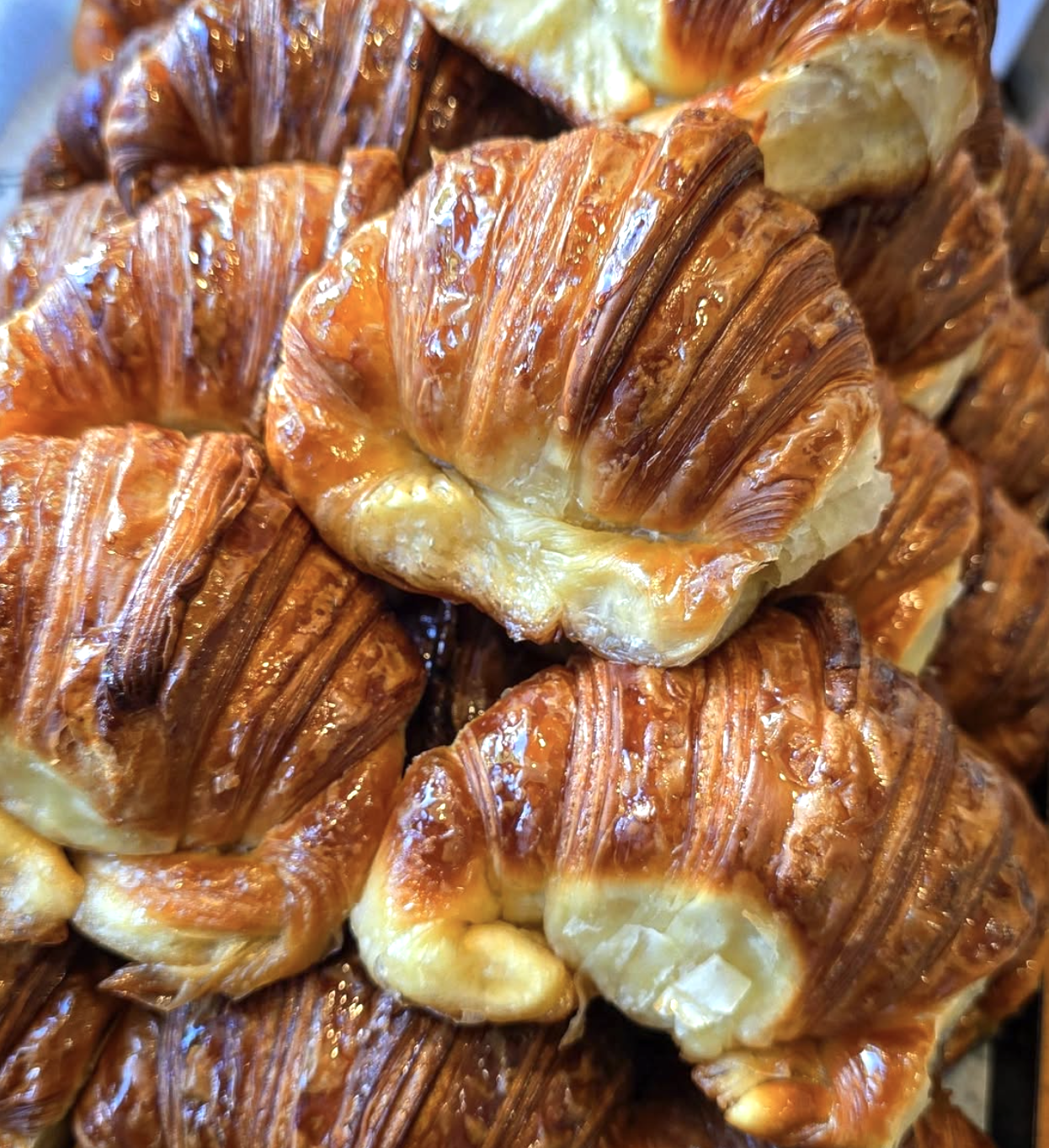
Medialunas – Slightly sweet croissants, typically enjoyed with coffee.
Malbec – Argentina’s signature wine, especially popular after a visit to Mendoza.
Provoleta – A traditional starter of grilled provolone cheese, served hot with herbs and often slightly crispy on the outside.
Fernet con Coca – A popular local drink made with fernet and cola, known for its bitter and refreshing taste.
Dulce de leche desserts – Sweet treats made with Argentina’s iconic caramel spread, found in pastries, cakes, and ice cream.
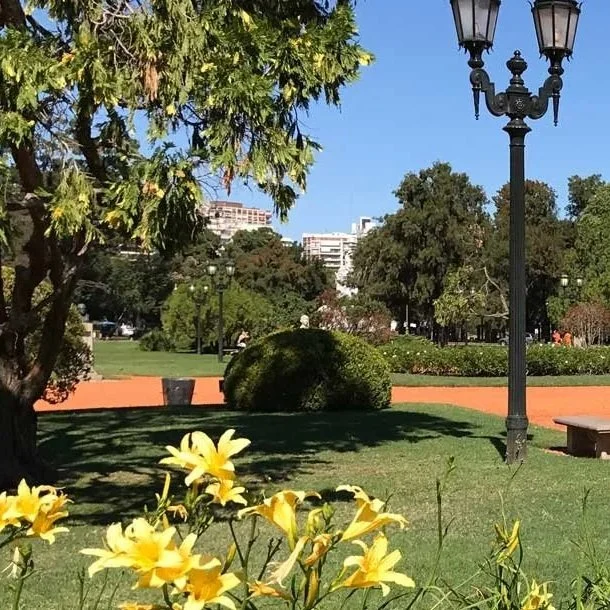
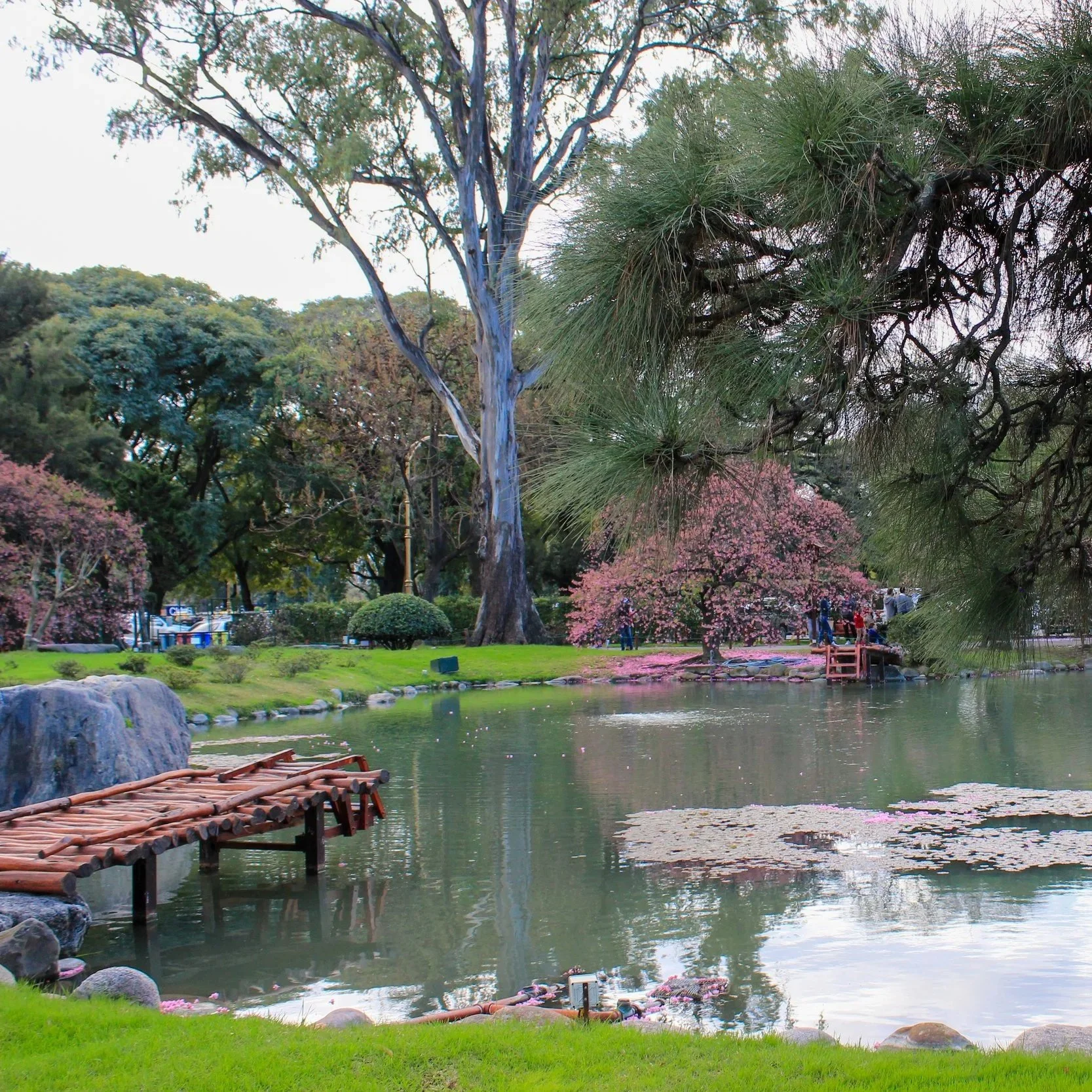
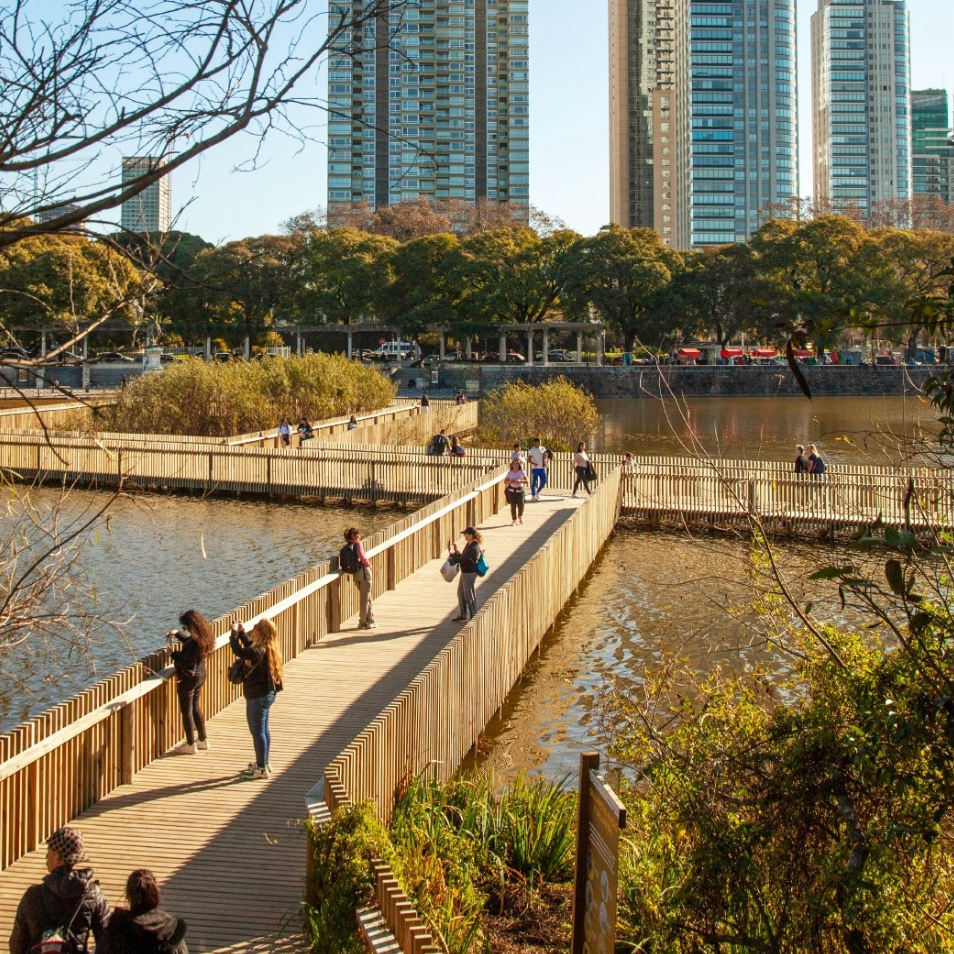
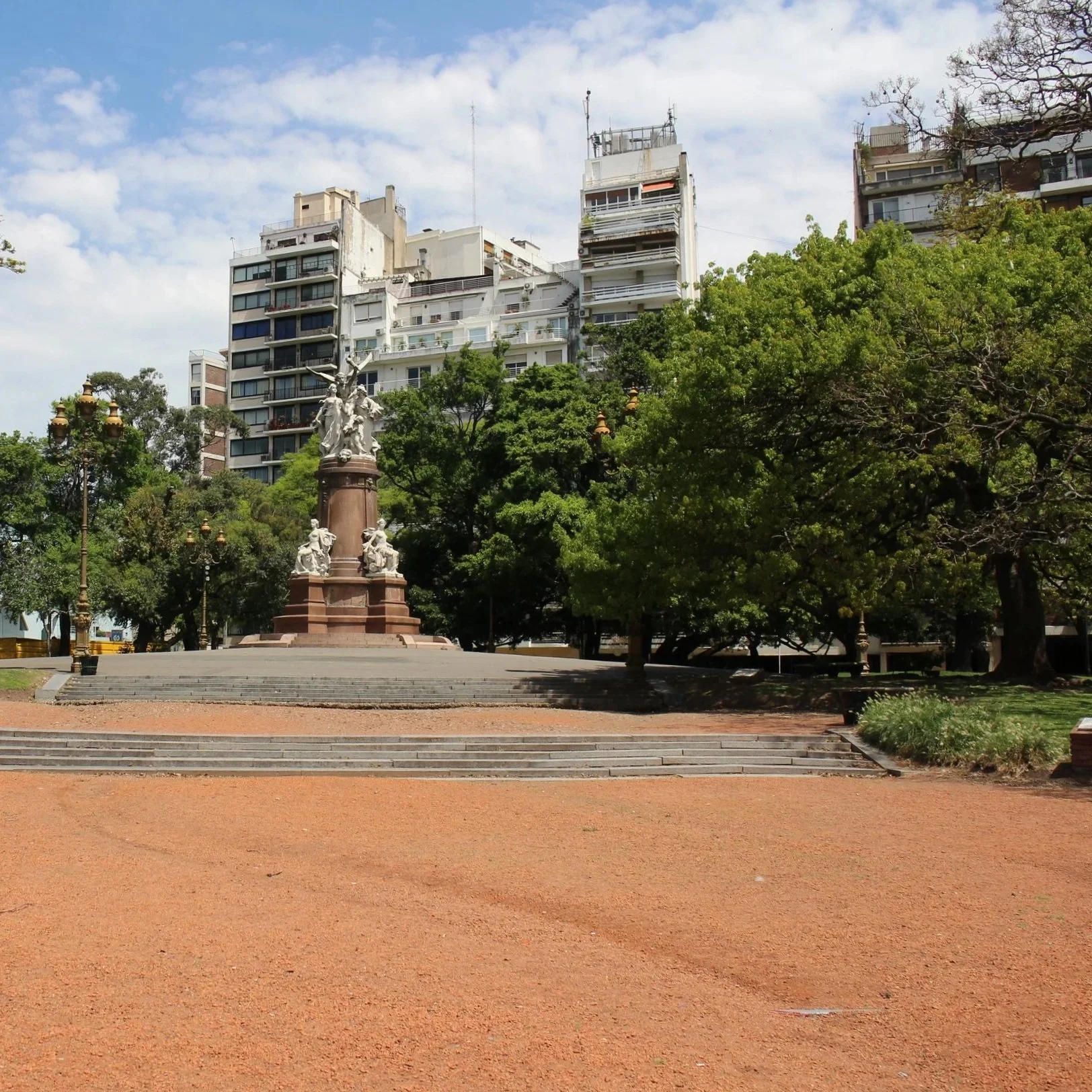
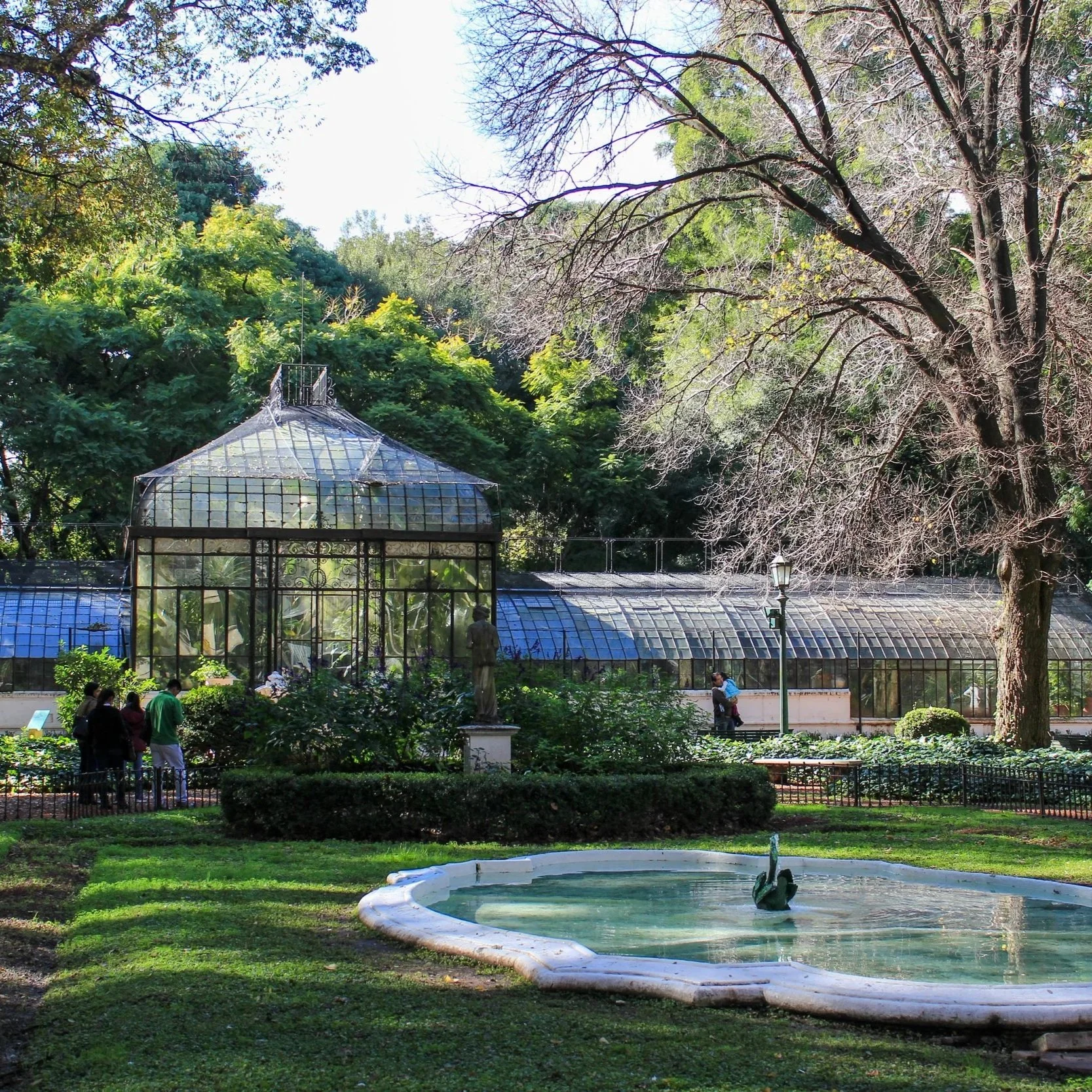
Parks & Green Spaces
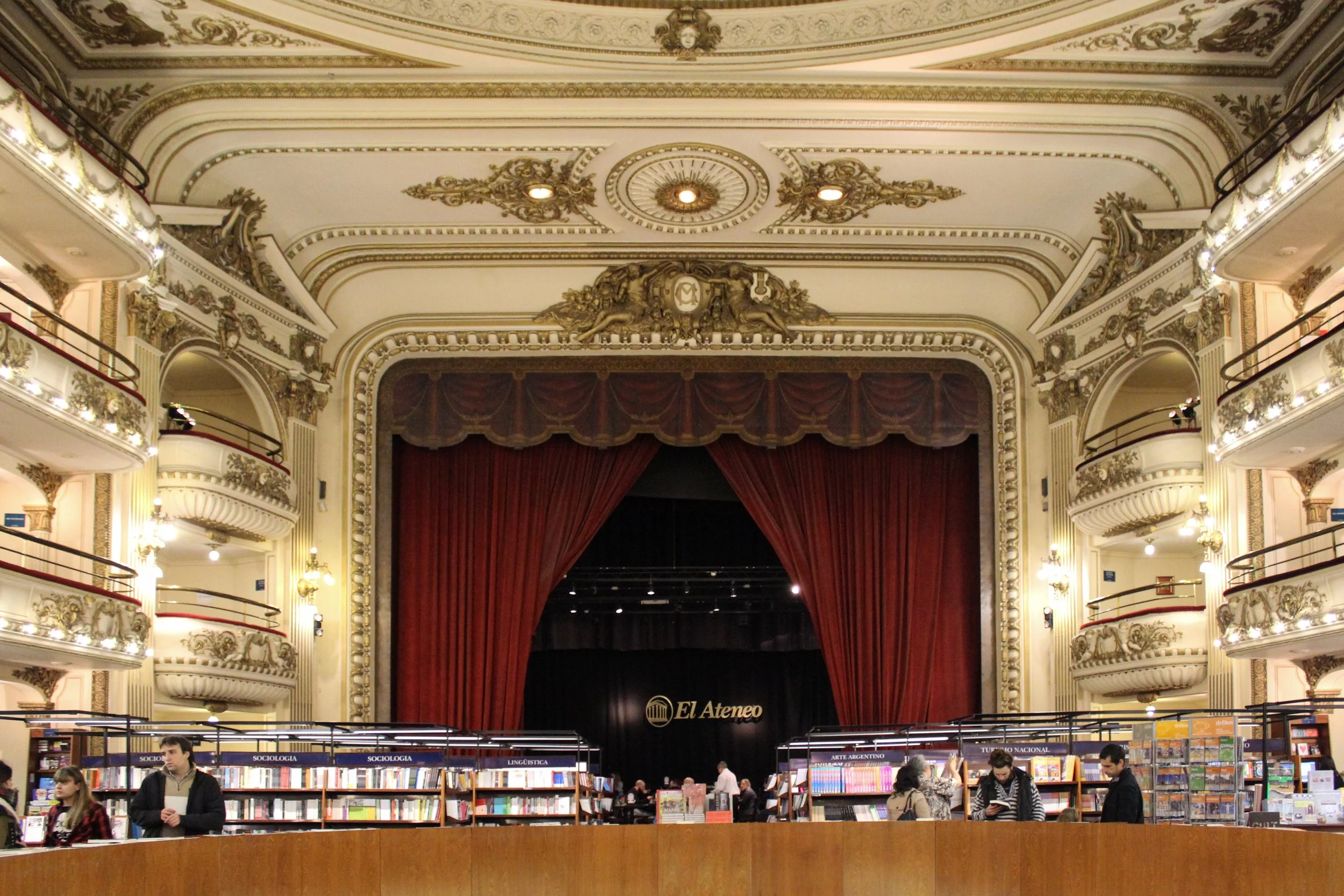
Nightlife & Cultural Experiences —Recommended by a local
Live Music & Clubs
Bebop Club: An intimate jazz club in Palermo known for high-quality live performances and a classic New York–style atmosphere.
Niceto Club: One of Buenos Aires’ most iconic music venues, hosting live bands, DJs, and lively dance nights.
Theater
Teatro San Martín: One of the city’s most important cultural institutions, hosting theater, dance, film, and exhibitions.
Independent Cinemas
A Note from Gritara
This journey brings together some of the most remarkable landscapes and cultures of southern South America. From the vast wilderness of Patagonia to the vineyards of Mendoza and the vibrant streets of Buenos Aires, each destination offers its own rhythm, flavors, and stories.
As your adventure comes to its final chapter in this dynamic city, we hope you find time to wander its neighborhoods, sit in a café a little longer than planned, and discover the small moments that often become the most memorable parts of a trip.
If you need help with anything during your time here—recommendations, reservations, or simply a bit of guidance—please don’t hesitate to reach out. We’re always happy to help.
Thank you for traveling with Gritara, and we hope the experiences and memories from this journey stay with you long after the trip has ended.
Acknowledgements: Almudena Contreras, Elisa Badal, Samanta Vicens. Thank you for your recommendations and for helping bring this guide to life through your photos.