
PACKING GUIDELINES
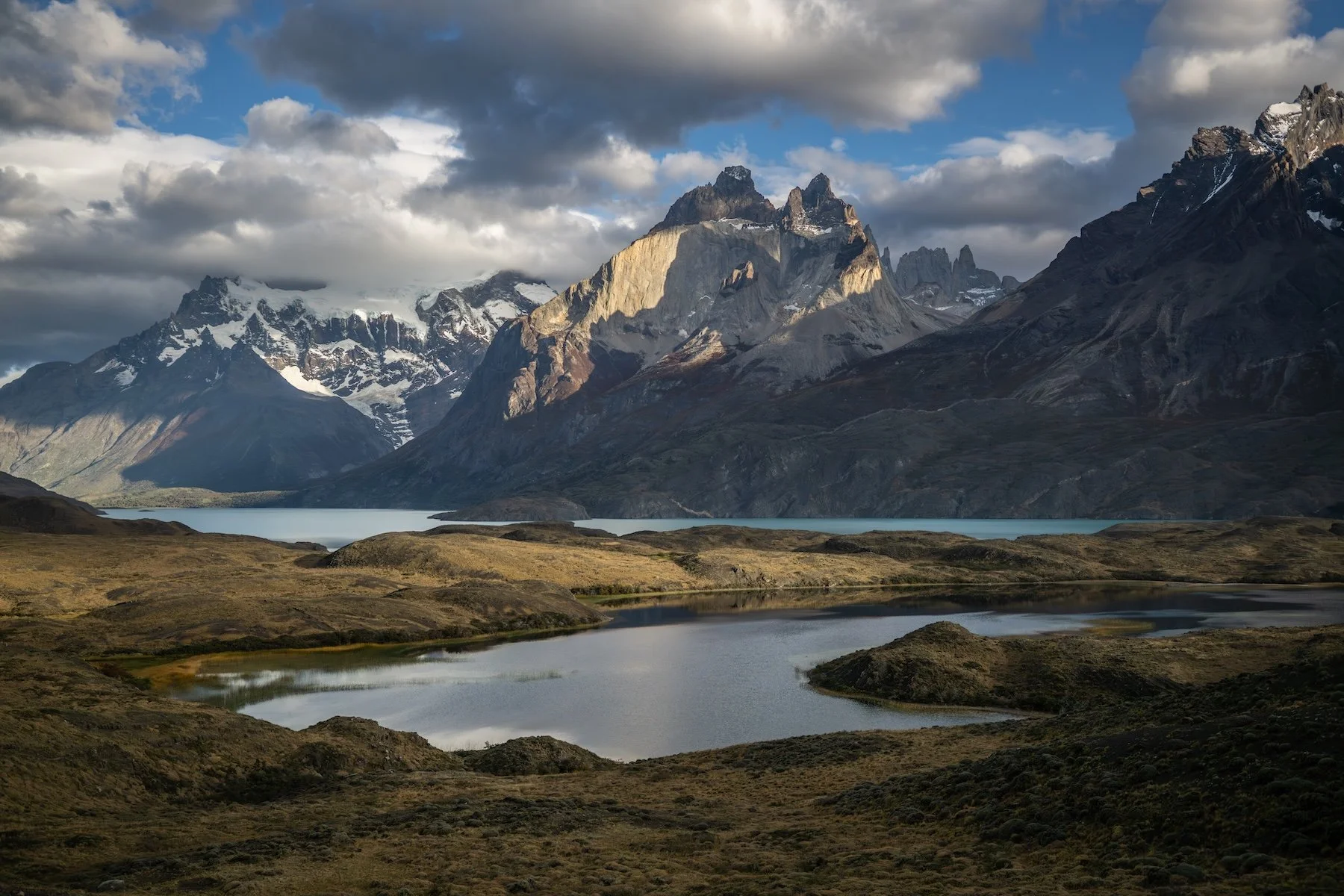
Chilean Patagonia · April 24–30, 2027 · The W Trek, Torres del Paine
Overview
You've probably heard about the weather in Patagonia — wildly unpredictable, with notoriously strong winds. The good news for us: those winds are at their fiercest in the Chilean summer, December to February.
We travel at the end of April, in the Patagonian fall, when the crowds have thinned and the lenga forest is turning. Locals still like to remind us that in this region you can experience all four seasons in a single day, so be prepared for variable conditions and genuinely extreme elements at any time of year.
One thing that shapes this whole list: we hike the W but we sleep in a lodge. You're based at Tierra Patagonia for four nights and driven to and from each trailhead, so there's no camping kit to haul between refugios. What you're packing is a day pack for three big trekking days, plus normal clothes for Santiago and the evenings.
In this guide I'm going to avoid listing hard “essentials,” because all of us are different. Some of you might be very comfortable in regular running shoes on rocky terrain. Most will likely prefer a little more ankle protection. Some guides will tell you hiking boots are absolutely essential — but I completed 22 miles of the W‑Trek in regular running shoes last year. You know yourself! Please use this guide with your own preferences in mind, and reach out if you'd like to talk through any of the details.
Weather
Late April is shoulder season in Torres del Paine. Days are cool rather than cold, nights are properly chilly, and the wind is the variable that matters most — it can turn a mild afternoon into something that bites. Rain, sun, hail and calm blue sky in the same afternoon is entirely normal.
Season
Fall
Autumn colour in the lenga forest, far fewer people.
The wind
Calmer
Peak winds are Dec–Feb. April is gentler, not gentle.
Trip dates
Apr 24–30
2027 · Santiago to Torres del Paine.
Golden rule
Layers
Shed and add them on the fly, all day long.
Santiago
Days 1 & 7
A proper city, and warmer. This is where your casual clothes and one nicer outfit earn their place — you will not need waterproofs to walk to dinner.
Torres del Paine
Days 2–6 · the W Trek
Exposed, changeable and windy. Full waterproofs, gloves, a buff and a warm hat are not optional here, even on a morning that starts sunny.
If it's dry and still, you might hike in a long-sleeve shirt and hiking trousers. If the wind gets up and the rain arrives — which it will at some point — you'll want gloves, a buff, a hat, waterproofs and several layers. The single most important thing is to pack lots of layers and be able to shed and add them without stopping for long.
Respect the wind
Patagonian wind is the reason a windproof shell matters more here than an extra fleece. On exposed sections above Lago Nordenskjöld and up towards Mirador Británico it can be strong enough to push you around, so a hood that cinches down and a buff for your face are worth more than they look on paper.
Footwear
0/3Plan to use your hiking boots on most trekking days, especially on the W, where you'll be walking long distances over rocky and uneven terrain. A sturdy boot with good ankle support reduces the risk of a rolled ankle a long way from the trailhead — and if you're bringing a new pair, break them in properly before the trip.
In good weather and on drier ground you may prefer something lighter, like trail runners. For evenings, meal times and relaxing at the lodge, pack a comfortable pair of recovery slides or casual trainers so your feet can rest after long days outdoors.
Three very different days
The eastern arm up to Mirador Base Las Torres is steep and relentless. The French Valley day is the long one, close to 24 miles. The Grey Glacier day is the most manageable of the three. Boots earn their keep on the first two; the third is where lighter shoes are tempting.
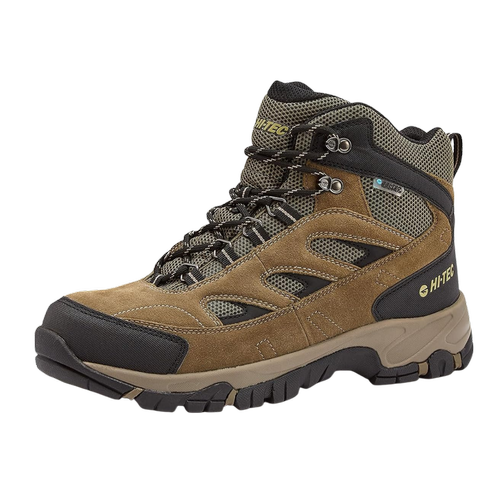
Good ankle support for rocky, uneven ground. Break new ones in first.
Shop this ↗
A lighter option for dry ground. Casual trainers work too.
Shop this ↗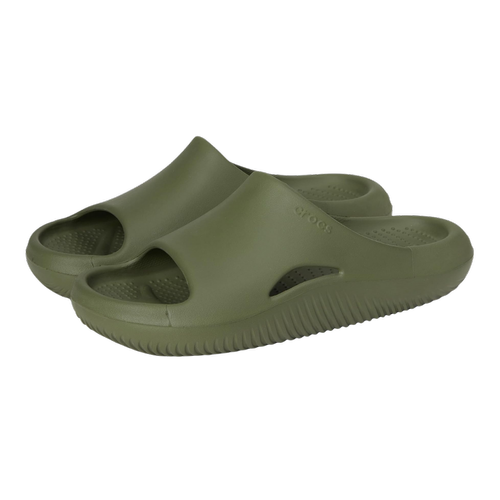
For evenings, meals and letting your feet recover.
Shop this ↗
Gear
0/6Hydration Pack. I used a hydration backpack with a 2‑litre bladder for the daytime. Your day pack carries your nutrition and your spare layers, and you'll likely start each morning wearing everything and shed pieces as it warms up — so leave space to stuff or strap those layers. A slightly larger hiking pack works too, but be conscious of the extra weight over 24 miles.
Extra Water Bottle(s). Use the bladder for plain water and keep a bottle up front with an electrolyte mix. More important on the full-day excursions.
Trekking Poles. Tierra Patagonia has poles available, so it's genuinely up to you whether to bring your own or use what the lodge provides. If you already own a pair you like, bring them — the descent from Base Las Torres is steep and loose, and you'll be glad of them.
Leave room for lunch
The lodge has a complimentary snack bar for you to fill your own bag each morning, and they'll provide a packed lunch on full-day excursions. Make sure your day pack has space for it. If you're taking a half-day excursion instead, you'll usually eat lunch back at the lodge.
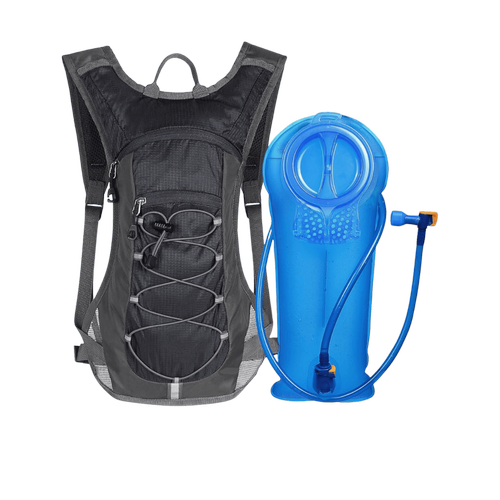
Daypack with a 2-litre bladder. Leave room for the layers you shed.
Shop this ↗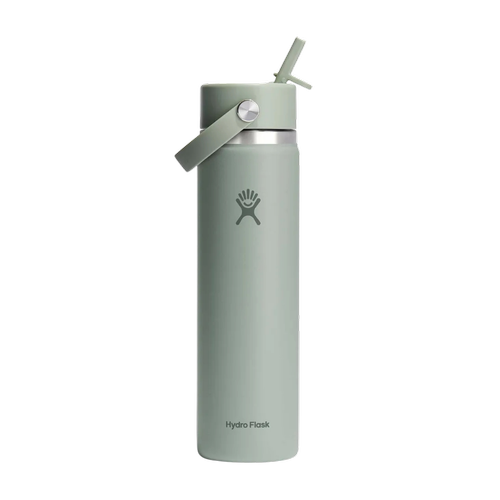
Keep electrolytes up front; plain water in the bladder.
Shop this ↗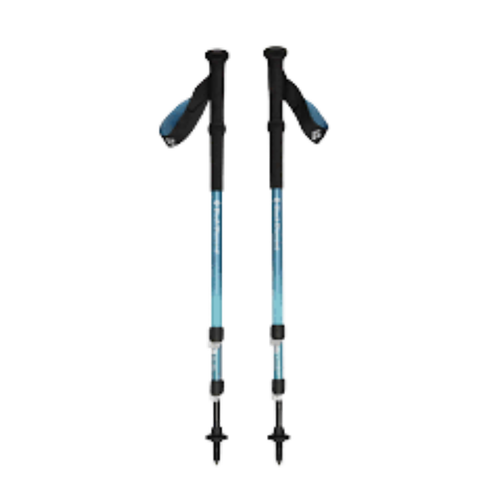
The lodge has poles — bring your own only if you prefer them.
Shop this ↗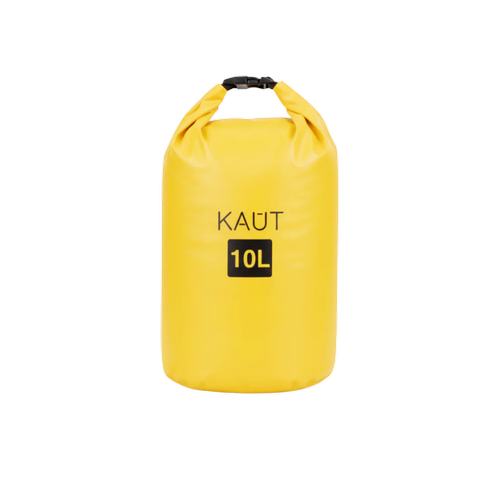
For waterproofing and organising.
Shop this ↗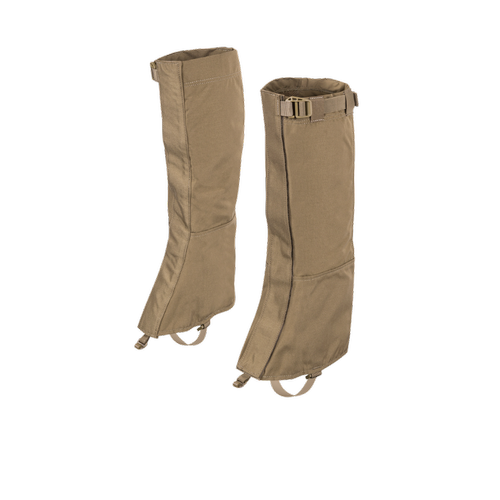
Not essential, but useful in muddy or rainy conditions.
Shop this ↗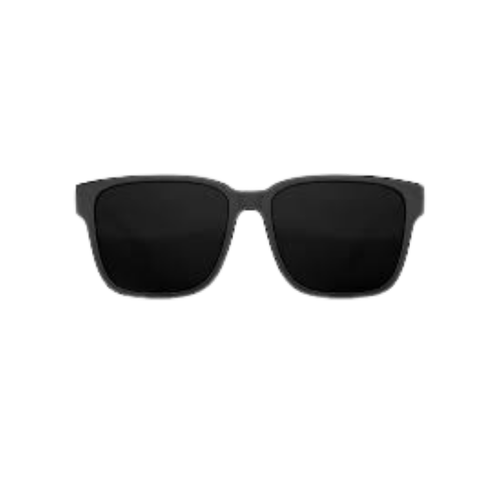
Glare off glacier ice and the lakes is no joke.
Shop this ↗
Clothing
0/18Layering is everything in Patagonia, where conditions shift quickly through the day. Be prepared to adapt on the go by packing a full range of layers rather than one heavy item.
Start with moisture-wicking base layers in merino wool or synthetic fabrics, and add long-sleeve trekking shirts for sun and wind protection. An insulating layer — fleece, hoodie or lightweight down — keeps you warm, while a waterproof and windproof outer shell in Gore-Tex or similar is the key piece for rain and strong winds. Bring breathable waterproof trousers and quick-dry or convertible hiking trousers, plus leggings or tights for added warmth. Shorts and T-shirts are useful on milder days.
Don't skimp on quality hiking socks — three to four pairs is about right — and consider compression sleeves. Add waterproof gloves, a buff or neck gaiter, and both a warm beanie and a brimmed hat for sun. Then comfortable underwear and sleepwear, casual clothes for relaxed evenings and time in Santiago, and a swimsuit for the spa.
Don't skip the swimsuit
There's an open-air whirlpool at Tierra Patagonia looking straight out at the Torres del Paine massif, and a spa afternoon built into the stay at The Singular Patagonia. After a 24‑mile day you will want it. Keep it somewhere accessible, not buried at the bottom of your bag.
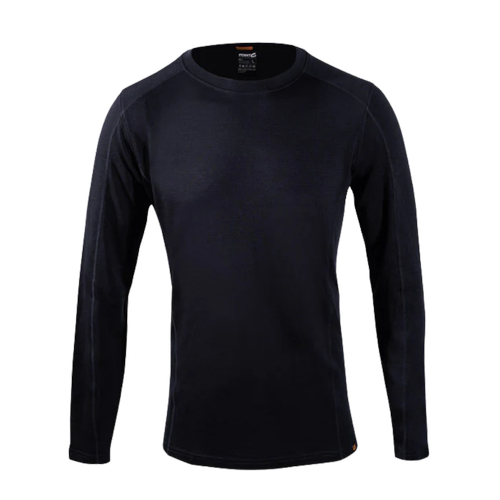
Merino wool or synthetic, moisture-wicking.
Shop this ↗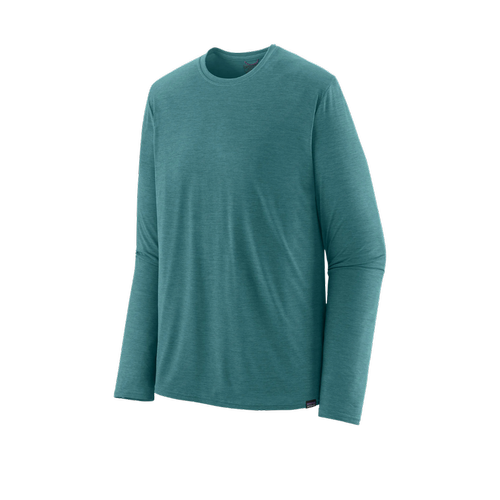
Long sleeve for sun and wind, plus a couple of T-shirts.
Shop this ↗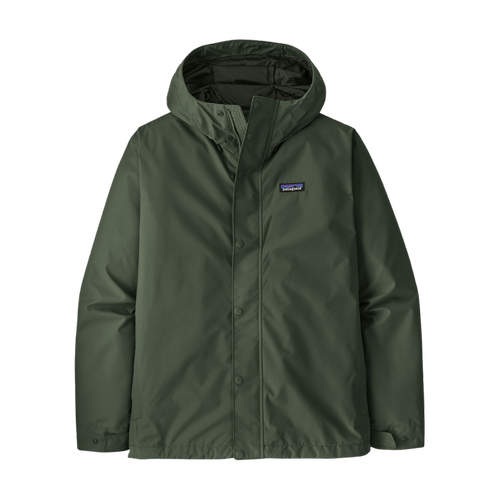
Gore-Tex or similar. The most important layer you will bring.
Shop this ↗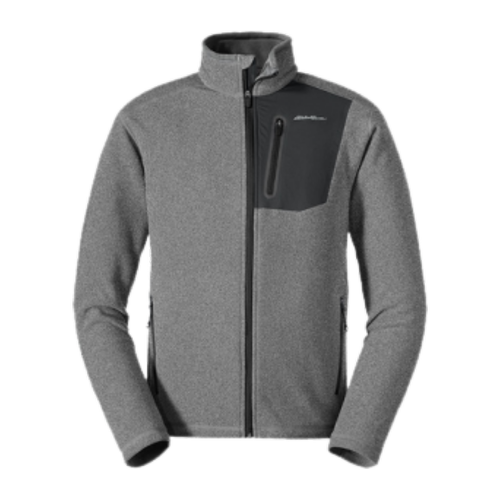
Fleece, hoodie or lightweight down.
Shop this ↗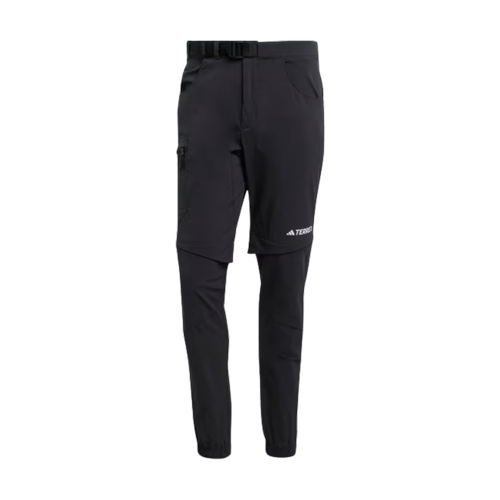
Convertible or quick-dry.
Shop this ↗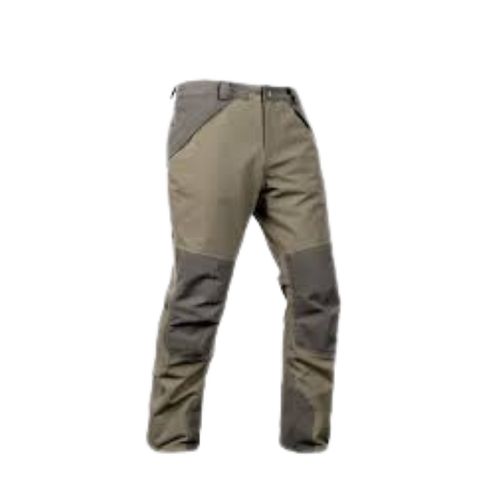
Lightweight and breathable. You will use them.
Shop this ↗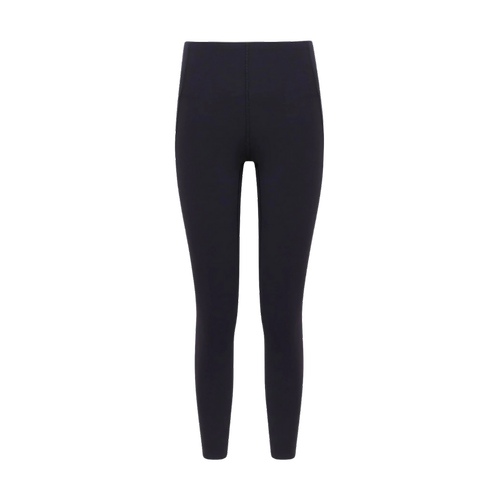
Extra warmth under trousers, or on their own.
Shop this ↗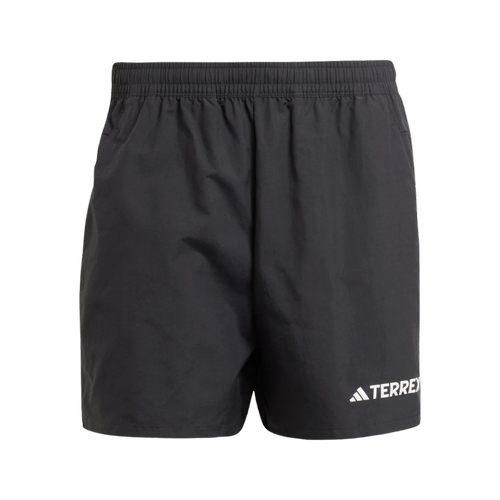
For the milder days and the lodge.
Shop this ↗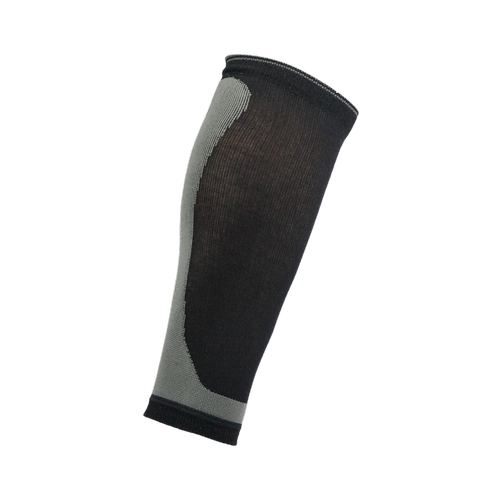
Optional, but welcome on the long days.
Shop this ↗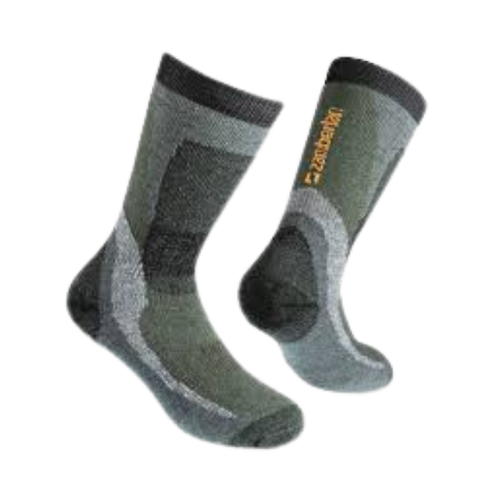
Merino wool. Three to four pairs.
Shop this ↗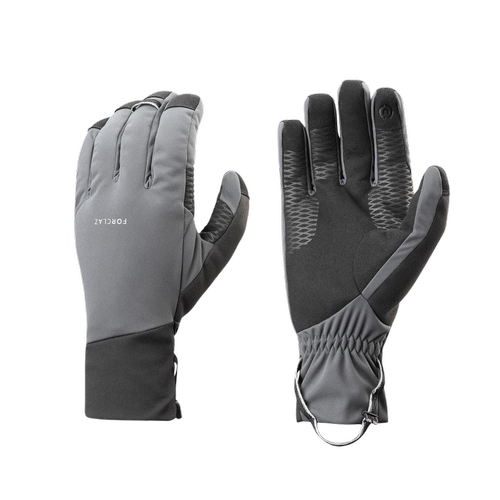
Waterproof and insulated.
Shop this ↗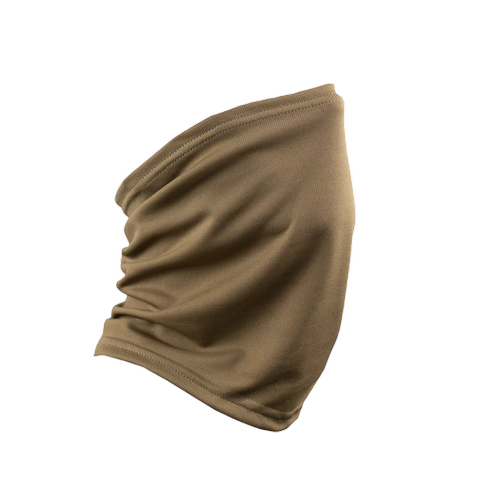
Wind protection for your neck and face.
Shop this ↗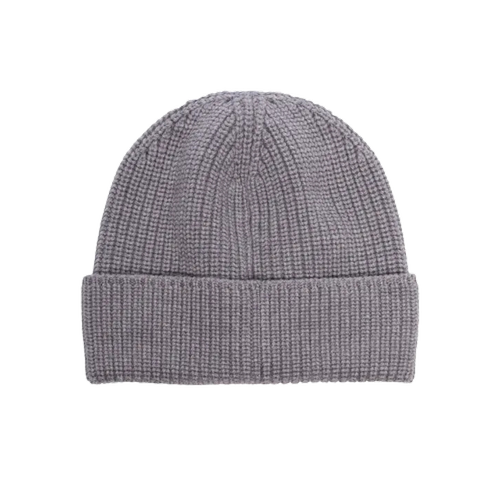
For warmth, especially early starts.
Shop this ↗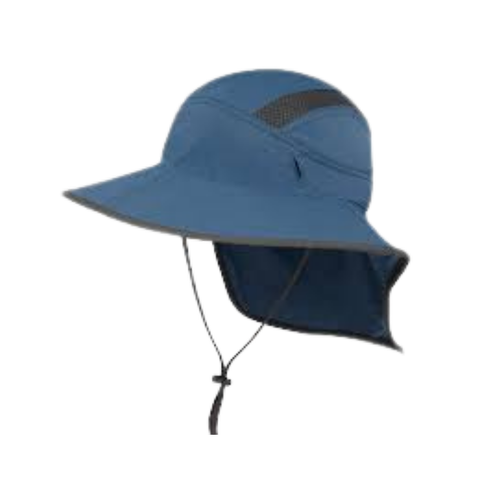
For sun protection on exposed trail.
Shop this ↗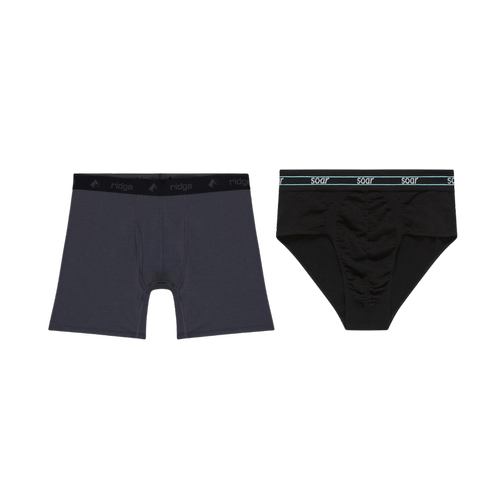
Whatever you are comfortable walking all day in.
Shop this ↗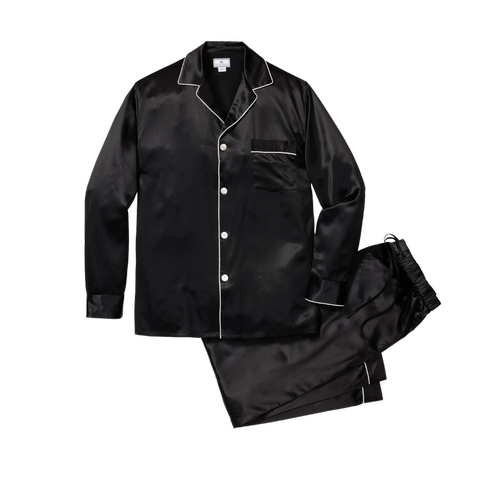
Rooms are warm; keep it simple.
Shop this ↗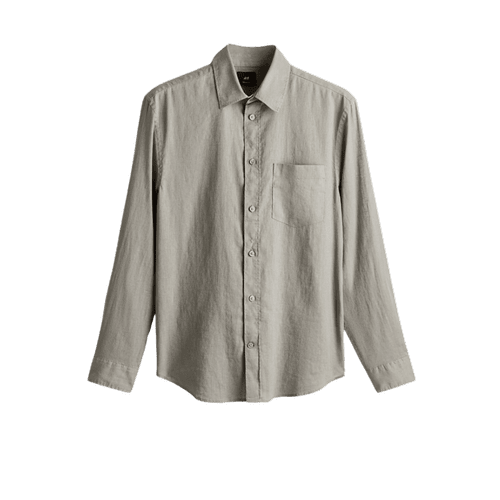
For relaxed evenings and time in Santiago.
Shop this ↗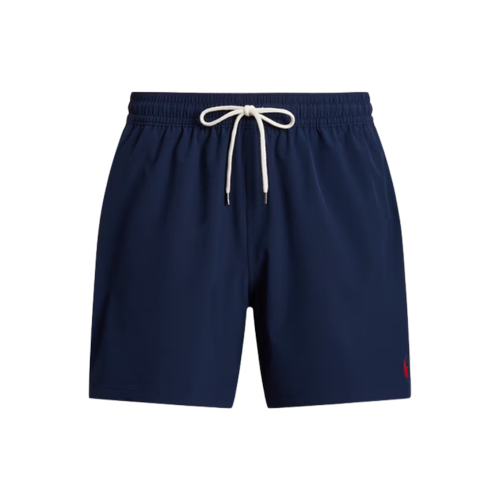
For the whirlpool, spa and hot tub.
Shop this ↗
Evenings & Dinner
One nicer outfit is all you really need. Most evenings are genuinely relaxed — you will have hiked all day, and dinner at the lodge is a come-as-you-are affair. Santiago at either end of the trip is a small step up, but only a small one.
Lodge Nights
Tierra Patagonia · The Singular Patagonia
Casual, warm and comfortable. Hiking trousers and a fleece at dinner is completely normal here, and you will want a warm layer for the walk back to your room. Recovery slides or trainers indoors.
Santiago Nights
Days 1 & 7
Smart-casual rather than formal. Dark jeans or trousers with a shirt, knit or blouse, and shoes that are not your hiking boots. No jacket or tie is needed anywhere on this trip.
One outfit, worn twice
The city nights bookend the trip — a welcome dinner at The Singular, Santiago on arrival, and a few hours there again before you fly home — so a single smart-casual outfit covers both. Pick something that packs small, does not crease badly, and can double as your travel clothes on the flights.
Everything this calls for is already on the Clothing list above — the “Casual Clothes” entry covers every evening of the trip. Do not overthink it: nobody here is dressing for a gala.
Toiletries & Health
0/6Anything you'd normally pack, plus a few things that are more specific to an adventure like this.
Blisters are the real risk
Three long trekking days back to back is where footwear problems show up. Blister plasters, tape and any brace you occasionally need are worth more space than almost anything else in your wash bag. Sun and wind protection matters too — the light this far south is stronger than it feels.
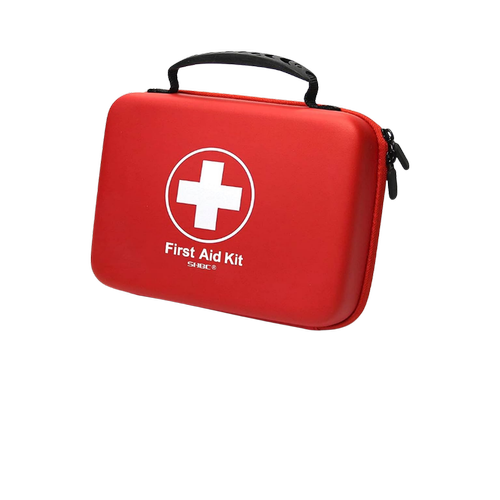
Blister treatment, ankle or knee brace, painkillers, personal meds.
Shop this ↗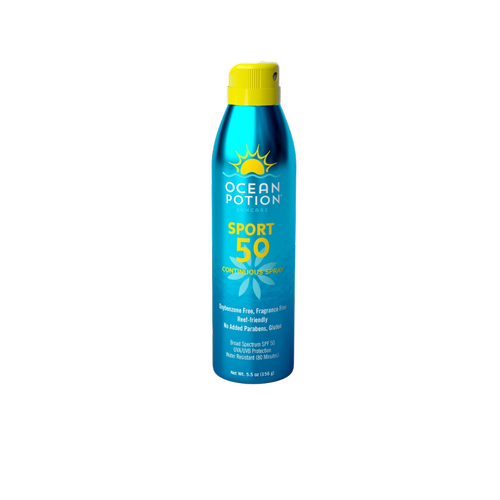
High SPF, and reapply. Exposed trail all day.
Shop this ↗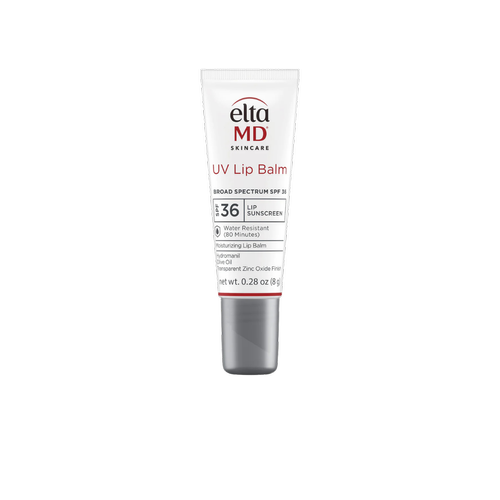
Lip Balm with SPF
Wind and sun find your lips first.
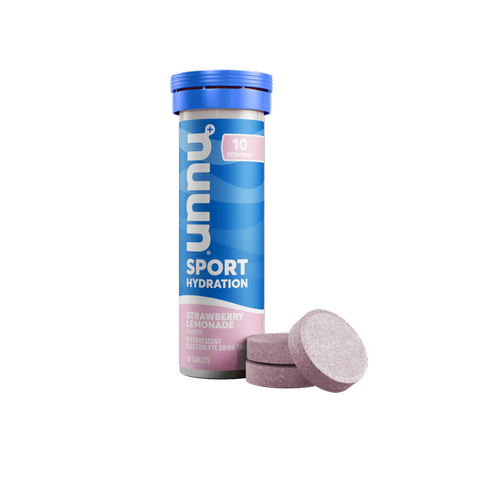
For hydration on the full-day excursions.
Shop this ↗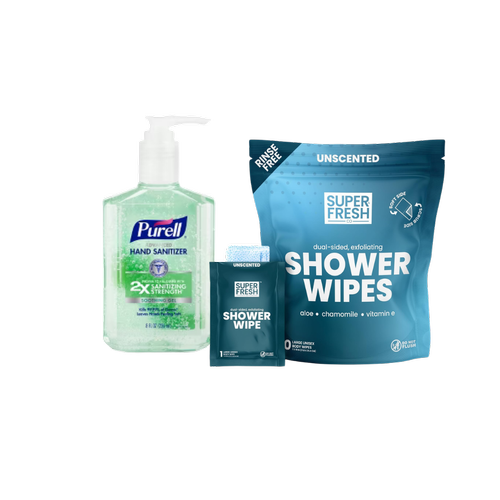
Hand Sanitizer & Body Wipes
Useful on the trail and on transfer days.
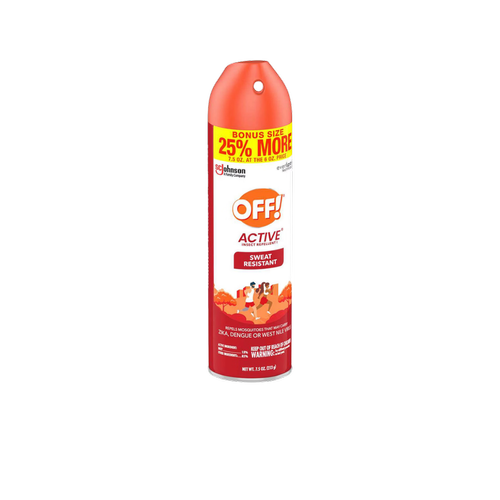
Bug Spray
Optional — mosquitoes are rare in April.
Other Essentials
0/9Cash and cards. Chilean pesos might be unnecessary — cards work fine in Santiago and at the lodges. If you'd like to tip your guides or servers, both USD and CLP are welcome, so a small amount of either is worth carrying.
Adapters. Chilean sockets differ from North American ones, so bring a universal travel adapter, and a second one if you have several devices to charge overnight.
Snacks are handled
Tierra Patagonia has a complimentary snack bar where you fill your own bag each morning, and a packed lunch comes with every full-day excursion. Bring a few favourites from home if you're particular about your trail fuel, but you don't need to pack a week's worth.
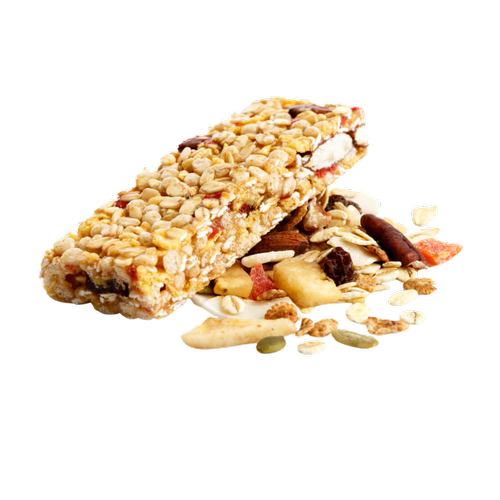
Snacks & Energy Bars
A few favourites from home. The lodge covers the rest.
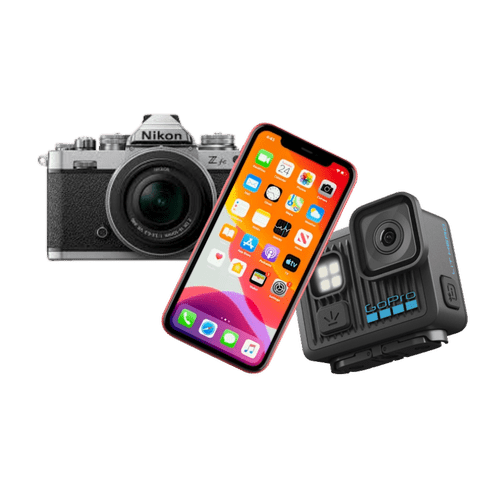
Camera / Phone / GoPro
You will take more photos than you expect.
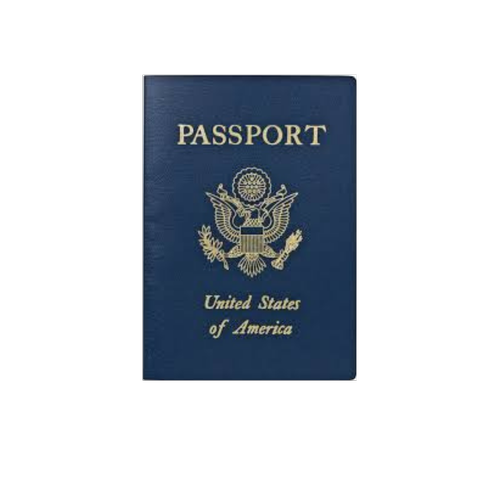
Passport
Plus any visa paperwork you need for Chile.
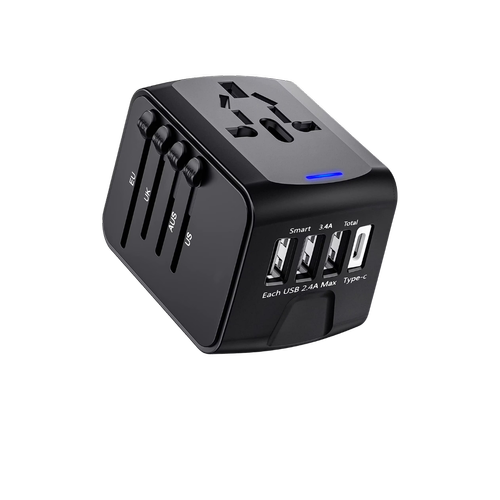
Universal Travel Adapter(s)
One for the room, one for the day bag.
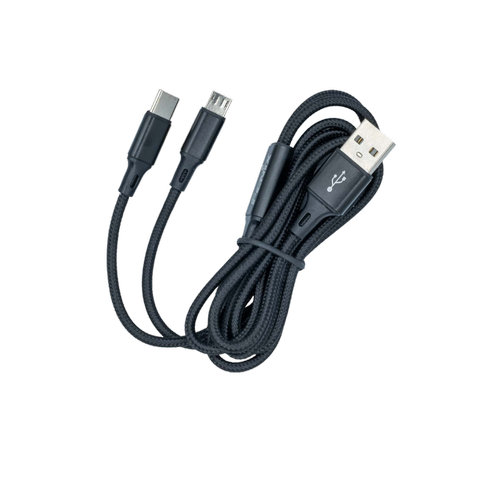
Charging Cables
Bring a spare. They always go missing.

Notebook & Pen
Or painting supplies, for the creative and reflective.
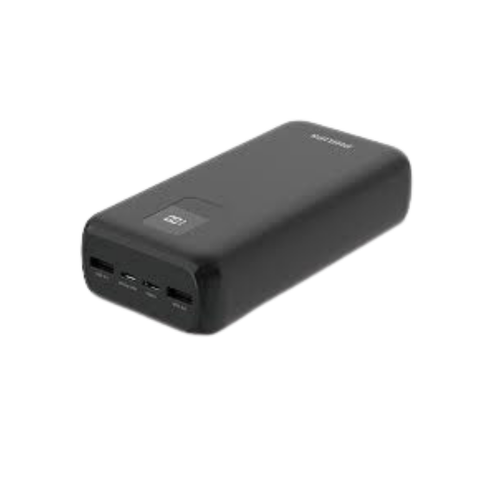
Portable Power Bank
Cold drains batteries faster than you think.

Credit / Debit Card
Widely accepted in Santiago and at the lodges.

Cash (USD or CLP)
Handy for tips. Either currency works.
Questions about any of this?
Not sure whether to bring your own poles, or how warm your jacket really needs to be? We'd genuinely rather talk it through than have you guess.
Get in touch Torres del Paine guideGritara Luxury Adventures · Chilean Patagonia · April 2027. Product links go to Backcountry and may be affiliate links — they cost you nothing extra. Every item here is a suggestion, not a requirement: pack to your own preferences.