
PACKING GUIDELINES
Norway · September 5–17, 2026 · Stavanger to Lofoten
Overview
You've probably heard about Norwegian weather — cool, changeable, and capable of delivering all four seasons in a single day, especially in the mountains and fjords. The good news: September is one of the best windows of the year.
The summer crowds have thinned, the autumn colours are arriving, and the marquee hikes are still open before the snow returns. The catch is that conditions shift quickly, so the whole game is being ready to adapt.
One thing that makes this trip unique: we cover a huge stretch of the country. We start in the temperate south around Stavanger, Bergen and Oslo, then fly north to Lofoten — above the Arctic Circle. That's a real climate and daylight gradient in a single trip, so pack for both a mild southern city evening and a cold, wind-blasted Arctic summit. Same bag, very different days.
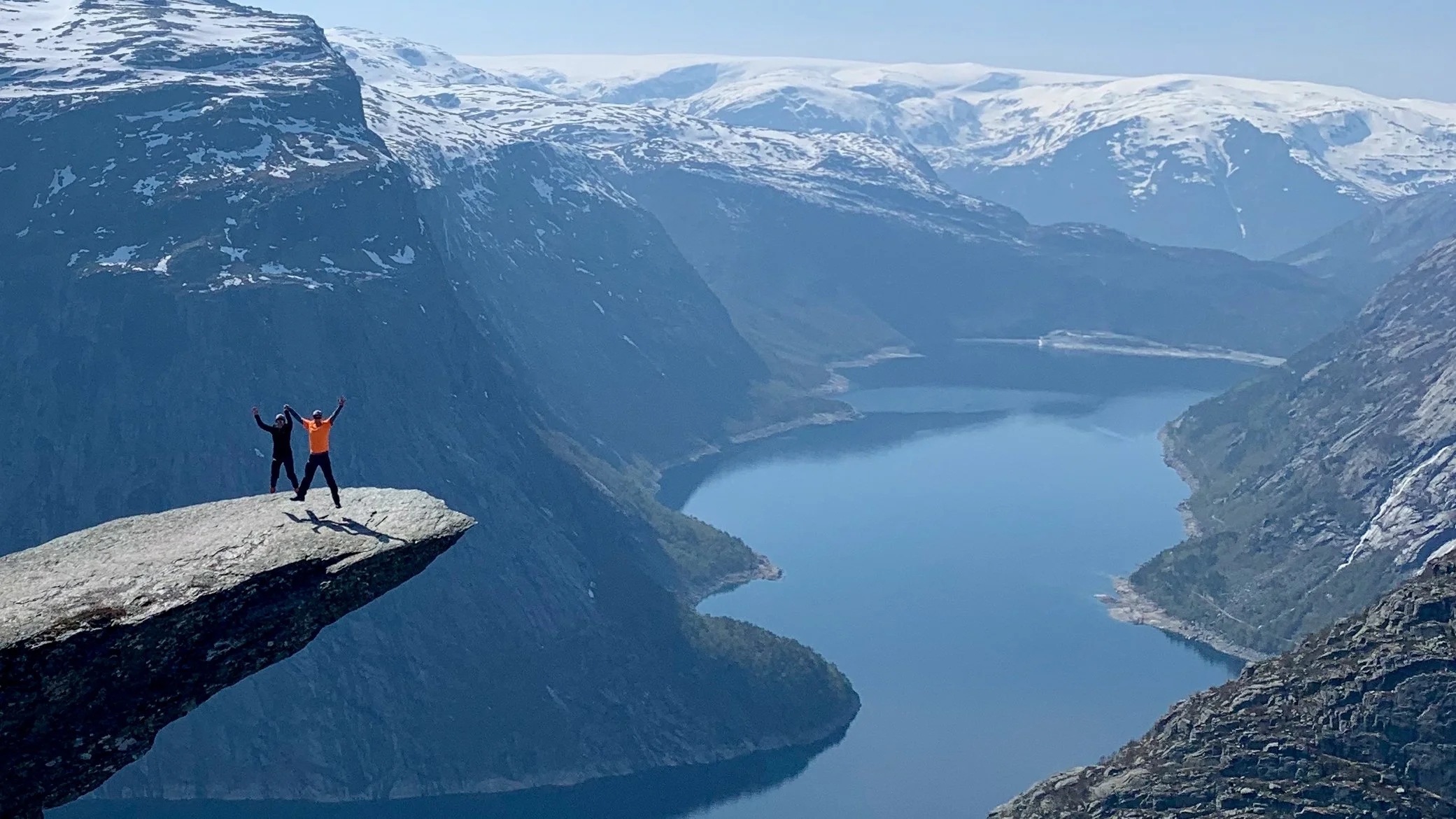
In this guide I'm going to avoid listing hard “essentials,” because all of us are different. Some of you might be very comfortable in trail runners on rocky terrain. Most will prefer a little more ankle protection. Some guides will tell you hiking boots are absolutely mandatory — but I personally hiked Trolltunga in regular running shoes. You know yourself! Please use this guide with your own preferences in mind, and reach out if you'd like to talk through any of the details.
Weather
Despite everything I just said about unpredictability, I'll do my best to predict it. Expect daytime temperatures roughly in the 40s to low 60s °F — milder and occasionally sunny in the southern cities, and colder, wetter and considerably windier in Lofoten, on the fjords, and on any summit day. Wind and rain can make it feel much colder than the number suggests.
Daytime temps
40s–60s°F
Roughly 4–16°C. Wind chill does the rest.
Daylight in Lofoten
13–15 hrs
Long days, plus the very start of aurora season.
Trip dates
Sep 5–17
2026 · Stavanger to Lofoten.
Golden rule
Layers
Shed and add them on the fly, all day long.
The South
Stavanger · Bergen · Oslo
Temperate and occasionally sunny. City evenings, fjord cruises and lower-elevation walking. This is where your lighter layers and one smart-casual outfit earn their place.
The North
Lofoten · the fjords · summit days
Colder, wetter and considerably windier — we're above the Arctic Circle. Full waterproofs, gloves, a buff and a warm hat are not optional here.
If it's dry and sunny, we might hike in a long-sleeve shirt and hiking pants. If it's raining and windy — which it will be at some point — you'll want gloves, a buff, a hat, waterproofs and several layers. The single most important thing is to pack lots of layers and be able to shed and add them on the fly.
Daylight & Northern Lights
In mid‑September, Lofoten still gets around 13–15 hours of daylight, and we may catch the very start of the northern lights season up north. If you'd like to photograph the aurora, bring a phone or camera capable of night / long‑exposure shots and, ideally, a small lightweight tripod.
Footwear
0/3Hiking Boots. I'll be bringing mine and expect to use them on most hiking days. On our big hikes you'll be hiking, not running — traversing rocky, uneven and often wet terrain, so a boot with good ankle support will help you avoid injury. If you're buying new, break them in well before the trip to avoid discomfort on the trail.
Running Shoes / Trail Runners. If the weather is nice and the ground is dry, you might prefer something lighter for the more moderate days. Trail runners with good grip are a fine choice for those comfortable in them.
Recovery Slides / Casual Trainers. For meals and wandering around the hotels in the evening. Pack something comfortable — you don't need to dress up for the evenings.
Grip matters here
Norwegian granite gets genuinely slippery when wet — more so than most trails you may be used to. On hikes like Reinebringen (nearly 2,000 stone steps), Trolltunga and Breiskrednosi, prioritise aggressive tread and solid waterproofing over lightness. Wet, polished rock is the main hazard.
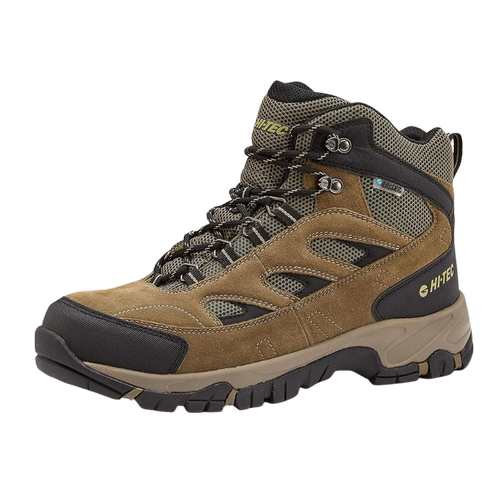
Good ankle support for rocky, uneven, often wet terrain. Break new ones in first.
Shop this ↗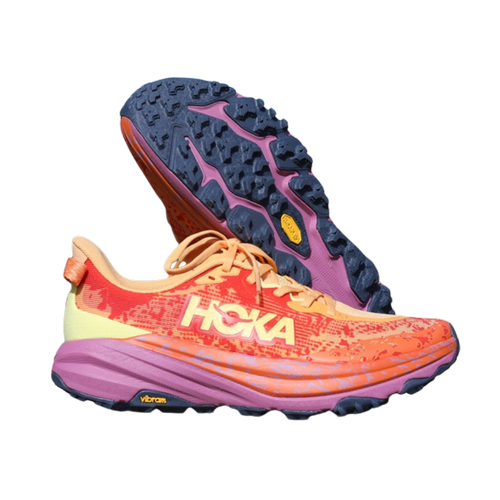
Lighter option for the moderate days — grip matters more than weight.
Shop this ↗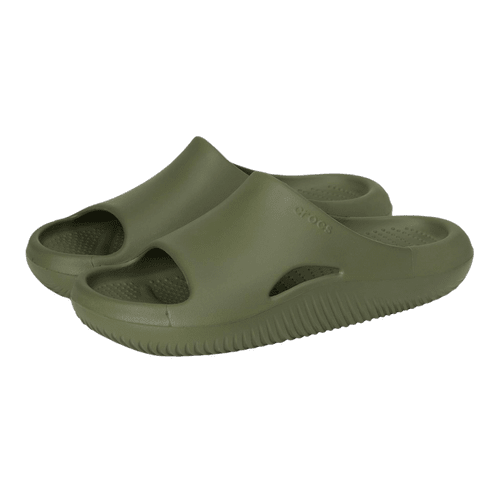
Or casual trainers, for meals and evenings at the hotels.
Shop this ↗
Gear
0/6Hydration Pack. I use a hydration backpack with a 2‑litre bladder for the day. Your daypack carries your water, nutrition and extra layers. Remember you'll likely start the day in all your layers and shed a few as it warms up, so leave space to stuff or strap them. A larger hiking backpack works if you plan to carry several layers — just be conscious of the added weight. If you don't already own a pack, a lightweight running / hiking vest or hydration pack from a brand like Salomon or Nathan is ideal.
Extra Water Bottle(s). Useful for electrolytes — use the bladder for plain water and keep a bottle up front with an electrolyte mix (more important on the full-day hikes).
Trekking Poles. Bring them. You'll be thankful you have them on the longer days — Preikestolen, the full Trolltunga day and the steep descent off Reinebringen are all kinder on the knees with poles. If you don't own a pair, they're worth sorting before you fly; let us know if you'd like a recommendation.
Norwegian water is a gift
Tap water and mountain stream water in Norway is famously clean and free. A reusable bottle you're happy to refill straight from the tap (and, on the trail, from running streams) will serve you all trip — no need to buy bottled water.
Poles on the via ferrata day
One likely exception to “always bring poles”: the Trolltunga via ferrata route. That day involves a bike leg and a vertical, ladder-style climb, so poles mostly get in the way — and your pack needs spare room for the climbing harness. Trolltunga Active don’t list poles in their what-to-bring for that route, and they keep hiking poles available on request, so you can decide on the morning rather than in advance.
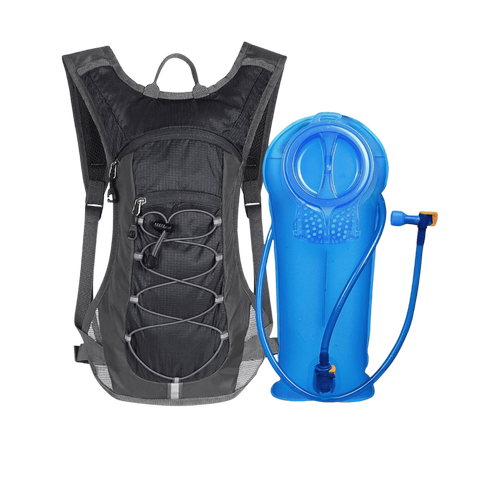
Daypack with a 2‑litre bladder. Leave room for the layers you shed.
Shop this ↗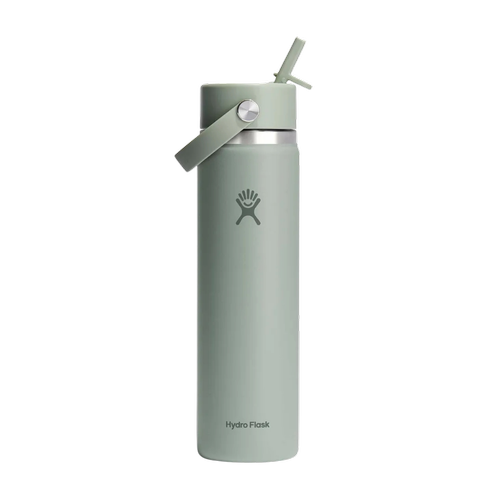
Keep electrolytes up front; plain water in the bladder.
Shop this ↗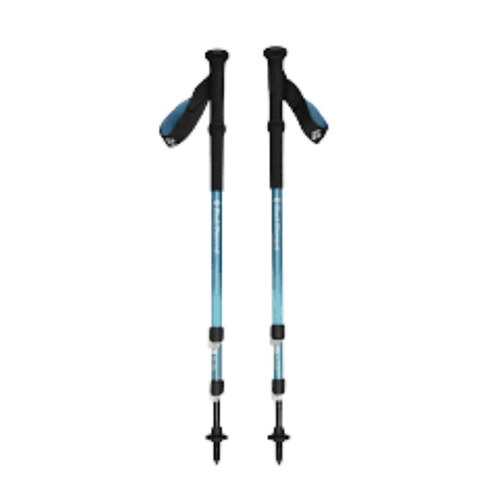
Bring them — you'll be thankful on the longer days. Likely left behind on the via ferrata.
Shop this ↗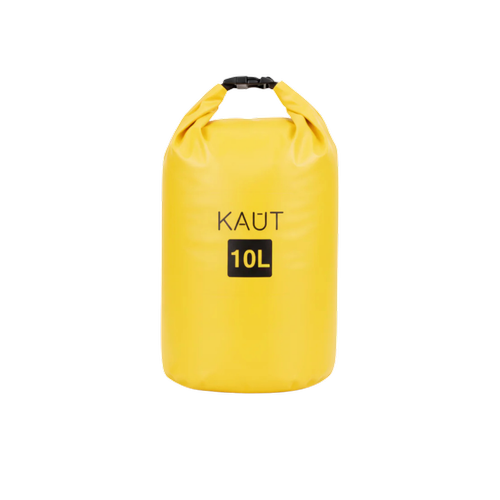
For waterproofing and organising.
Shop this ↗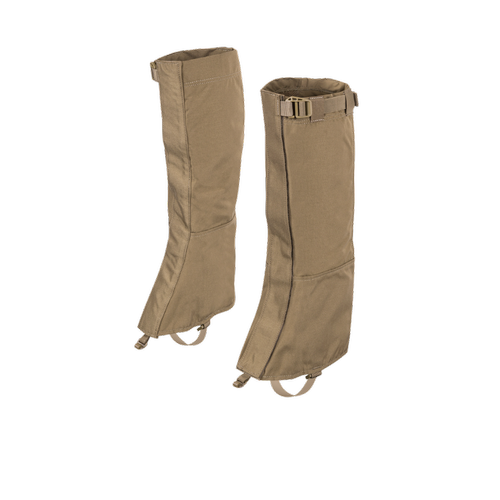
Not essential, but useful in muddy or rainy conditions.
Shop this ↗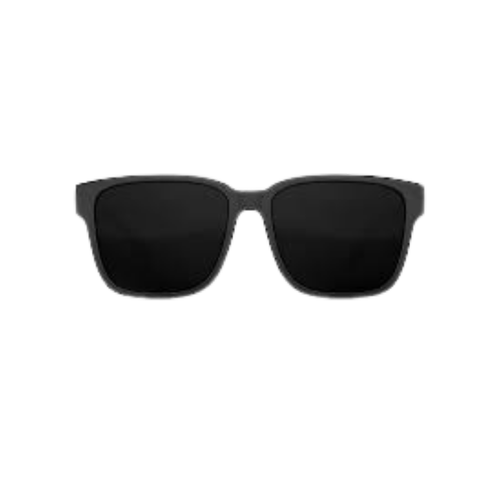
Low autumn sun can be bright, especially on the water.
Shop this ↗
Clothing
0/19Layers!! As mentioned above, adapting on the fly is essential. Pack a full layering system you can build up and strip down through the day.
Don't skip the swimsuit
This trip has real water moments — Hotel Ullensvang's fjord-side pools, the wood-fired hot tub at 29|2 Aurland, and the spa and sauna at Nusfjord Resort in Lofoten. Those Lofoten facilities are shared rather than private, so bring an actual swimsuit — a robe won't cut it. Keep it somewhere accessible, not buried at the bottom of your bag.
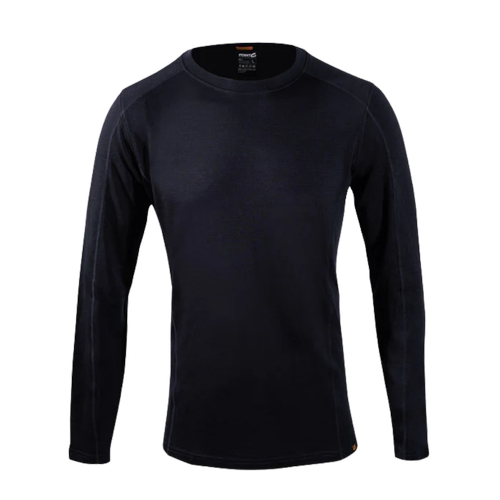
Merino wool or synthetic, moisture-wicking.
Shop this ↗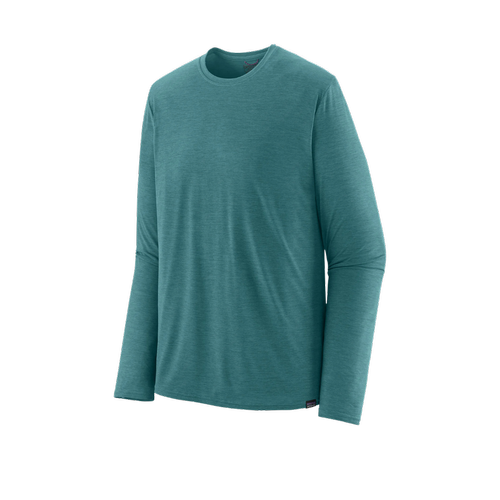
Long sleeve.
Shop this ↗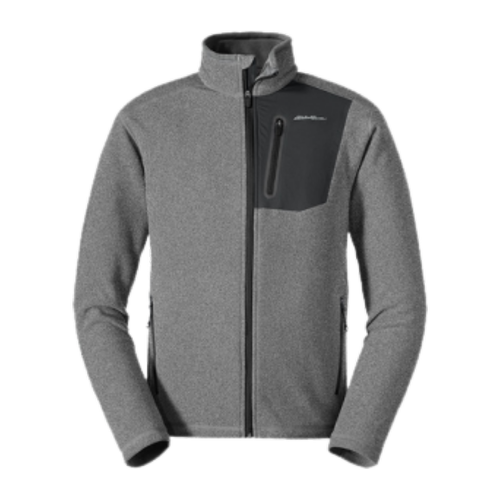
Fleece, hoodie or down jacket.
Shop this ↗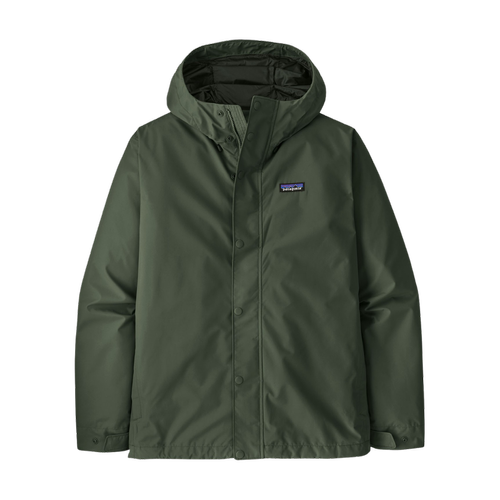
Gore-Tex or similar. Non-negotiable up north.
Shop this ↗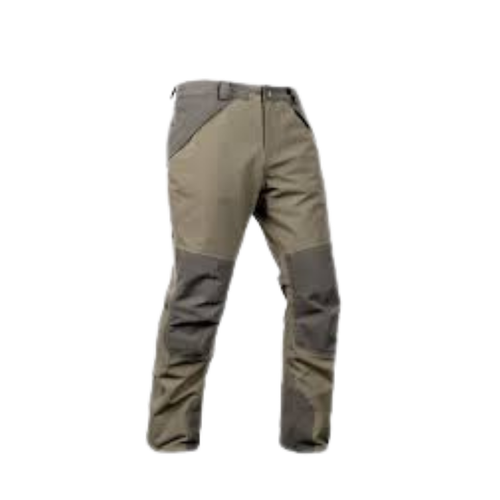
Lightweight and breathable.
Shop this ↗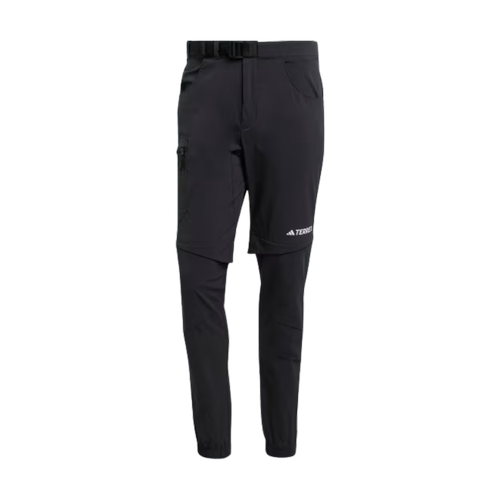
Convertible or quick-dry.
Shop this ↗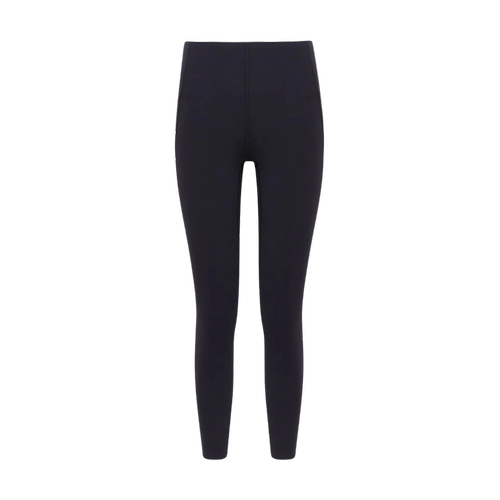
Great as a mid layer or on their own.
Shop this ↗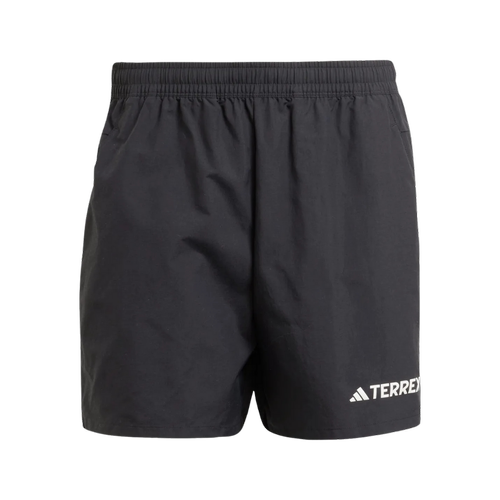
For the warmer, drier stretches.
Shop this ↗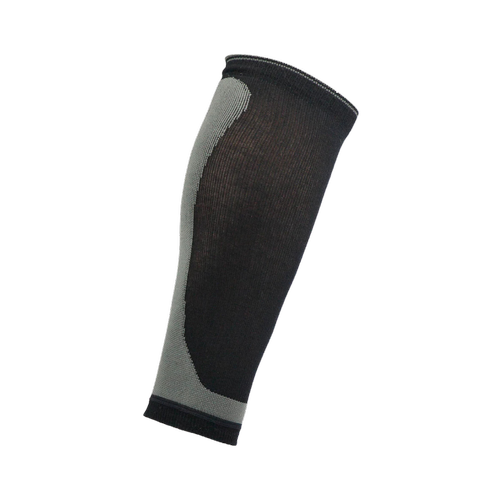
If you use them, the back-to-back hiking days are the time.
Shop this ↗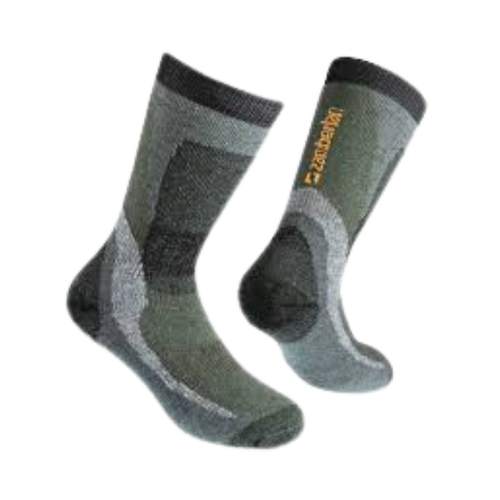
Merino wool, 3–4 pairs.
Shop this ↗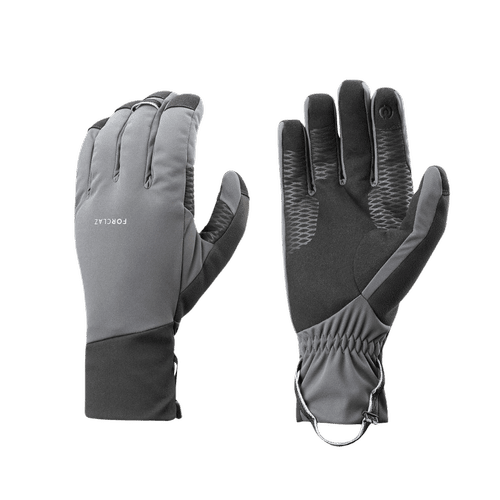
Waterproof and insulated.
Shop this ↗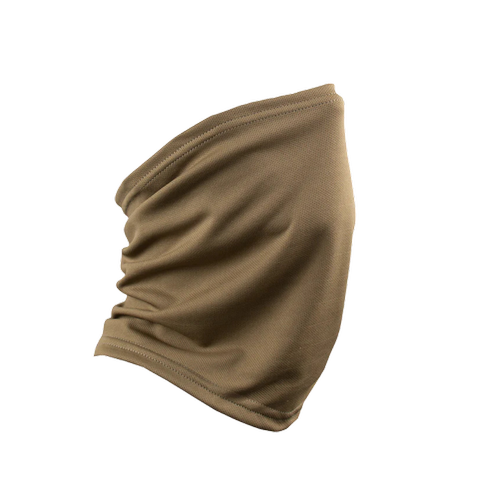
Wind protection — you will use it.
Shop this ↗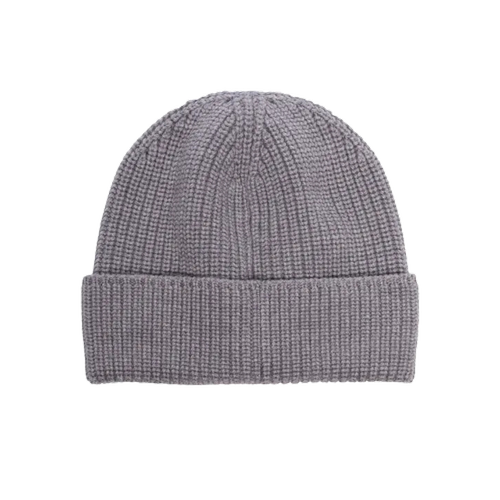
For warmth.
Shop this ↗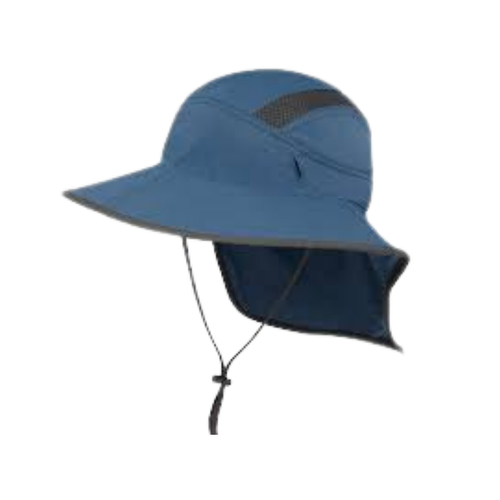
For sun protection.
Shop this ↗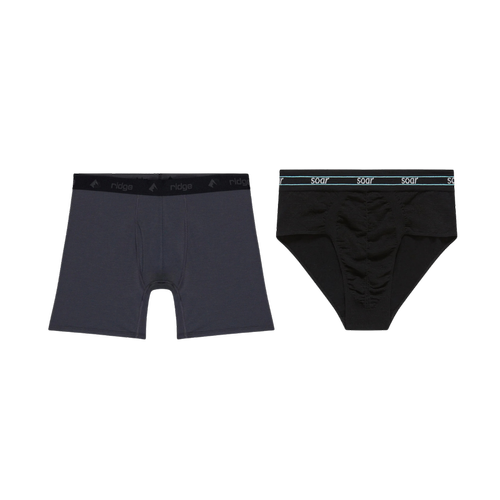
Quick-dry pairs are worth it.
Shop this ↗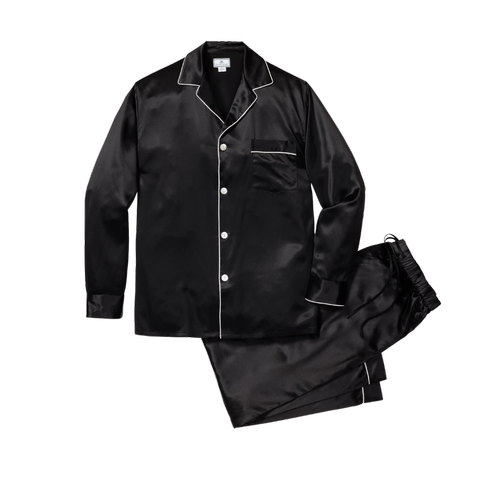
Rooms are warm; keep it simple.
Shop this ↗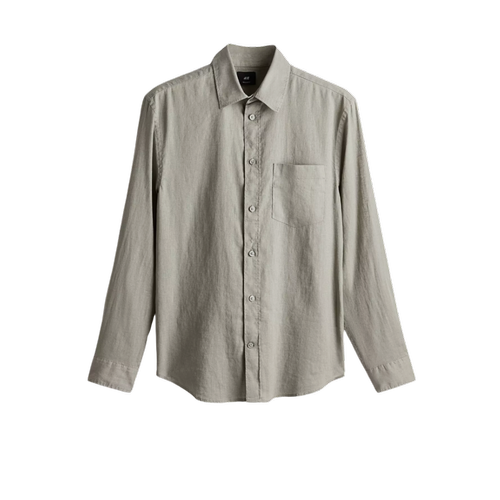
For nicer dinners and city time in Oslo and Bergen.
Shop this ↗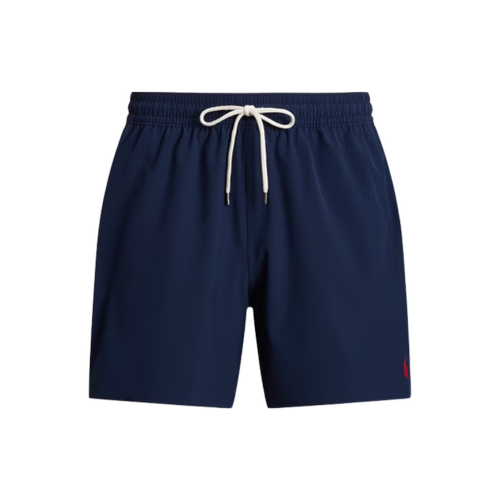
For relaxed evenings and dinners.
Shop this ↗Used more than you’d think — see the note above.
Shop this ↗
Evenings & Dinner
One nicer outfit is all you really need. Most evenings are genuinely relaxed — you will have been on your feet all day, and dinner at a fjord-side lodge is a come-as-you-are affair. Our nights in the cities are a small step up, but only a small one.
Lodge & Fjord Nights
Lofthus · Aurland · Flåm · Lofoten
Casual, warm and comfortable. Jeans or hiking trousers with a fleece or a knit is completely at home here, and you will be glad of a warm layer once the sun drops. Recovery slides or trainers are fine indoors.
City Nights
Stavanger · Bergen · Oslo
Smart-casual rather than formal. Norwegians dress simply and well — dark jeans or trousers with a shirt, knit or blouse, and shoes that are not your hiking boots. No jacket or tie is needed anywhere on this trip.
One outfit, worn three times
The city nights are spread out — Stavanger at the start, then Bergen and Oslo — so a single smart-casual outfit will carry you through all of them. Pick something that packs small, does not crease badly and layers under your rain shell, because the walk to dinner may well be a wet one.
Everything this calls for is already on the Clothing list above — the “One Smart-Casual Outfit” and “Casual Clothes” entries cover every evening of the trip. Do not overthink it: nobody here is dressing for a gala.
Toiletries & Health
0/6Anything you'd normally pack, plus a few things more specific to an adventure like this.
A note on boats
We spend meaningful time on the water — Lysefjord, the Nærøyfjord cruise and the Lofoten ferries among them. If you're at all prone to motion sickness, bring your preferred remedy.
(You'll notice bug spray isn't on this list — biting insects aren't a concern in Norway in September.)
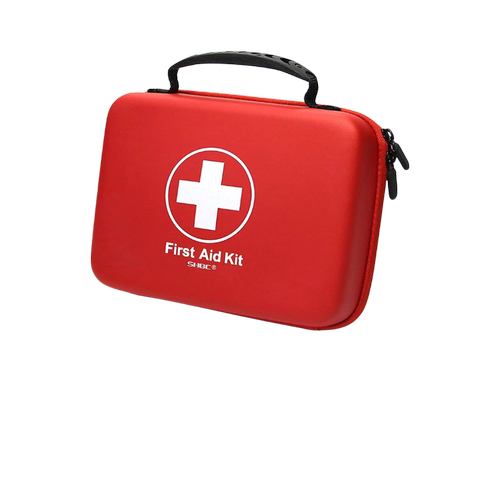
Blister treatment, ankle / knee brace, painkillers, personal meds.
Shop this ↗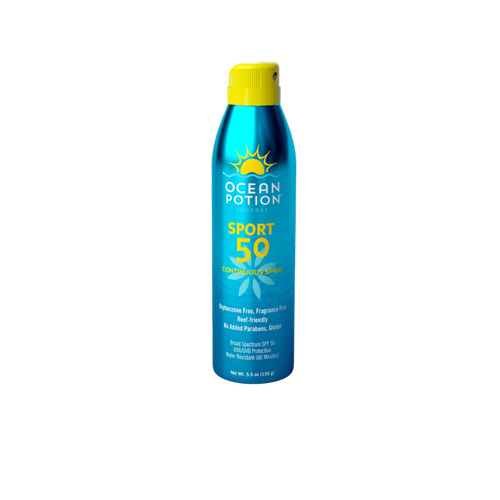
Yes, even in September.
Shop this ↗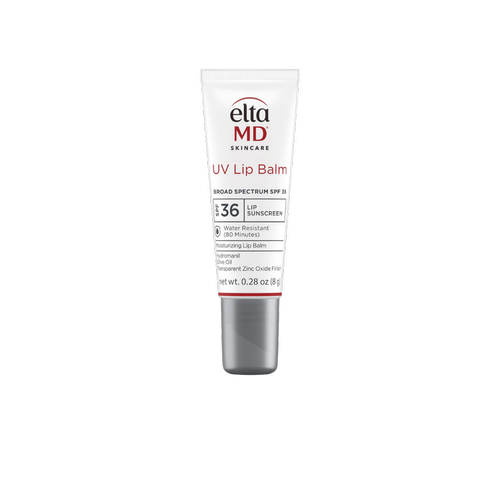
Lip Balm with SPF
Wind and salt air are hard on lips.
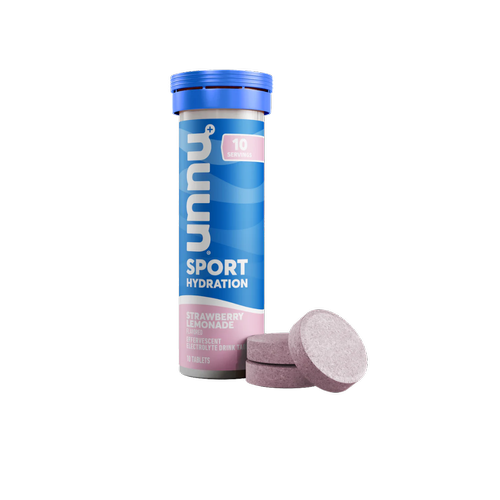
For hydration on the full-day hikes.
Shop this ↗Motion-Sickness Tablets
We’re on several boats — see the note above.
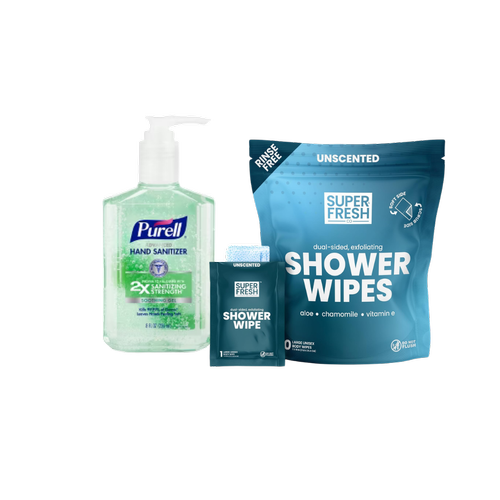
Hand Sanitizer & Wipes
Wet wipes and body wipes too.
Other Essentials
0/8Cash & cards. Norway is overwhelmingly cashless, and cards (and phone tap-to-pay) work virtually everywhere, so you may not need cash at all. Everything on our trip is included; if you'd like to tip guides or servers, cards or a small amount of Norwegian kroner (NOK) both work.
Travel adapter. Norway uses the Type F (Europlug) standard at 230V. One adapter type covers the entire country.
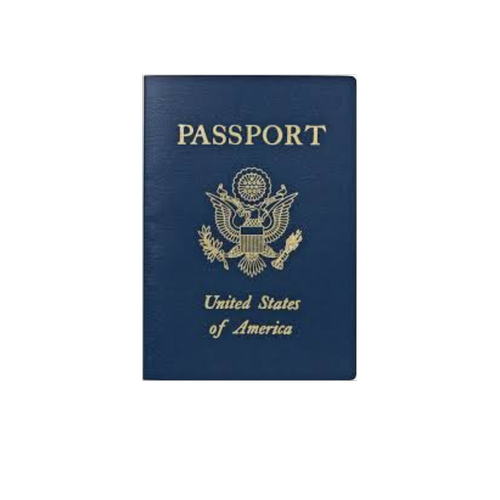
Passport
Check the expiry date now, not in August.
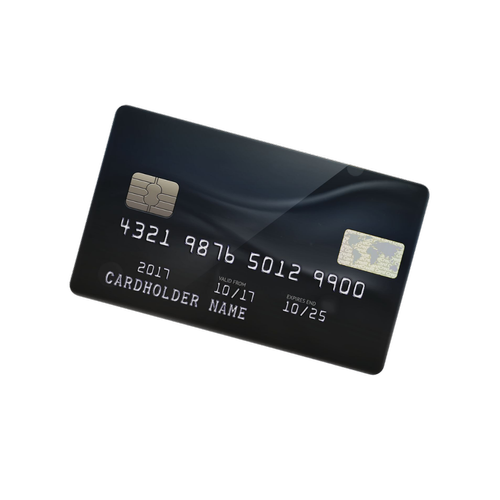
Cash & Credit / Debit Card
Norway is overwhelmingly cashless — cards and tap-to-pay work virtually everywhere.
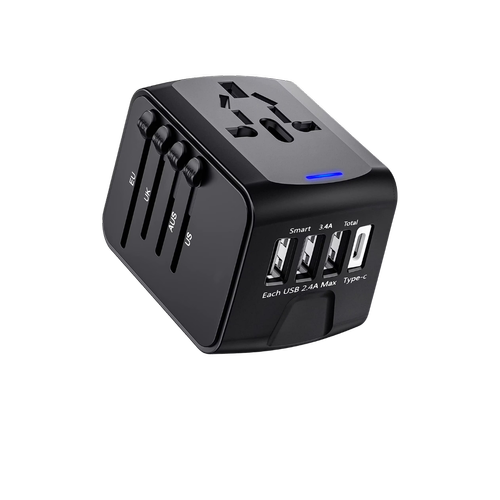
Travel Adapter
Type F (Europlug), 230V. One type covers the whole country.
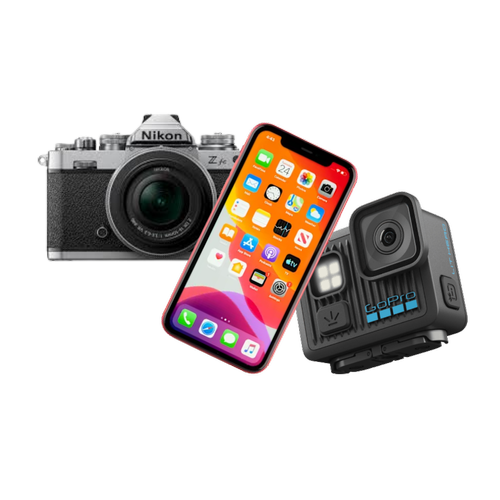
Camera / Phone / GoPro
Add a small tripod if you want aurora shots.
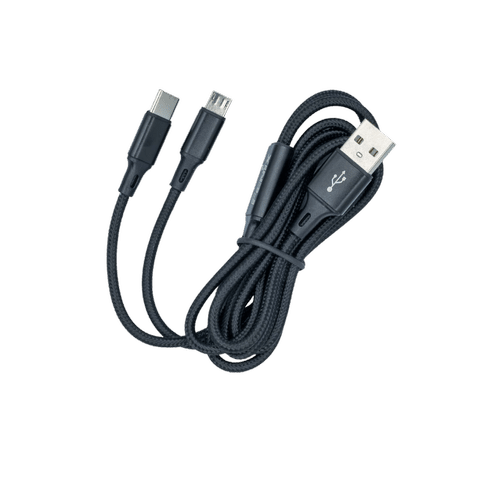
Charging Cables
One spare is never wasted.
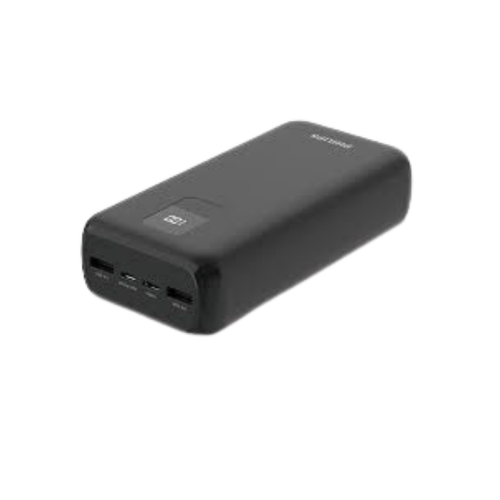
Portable Power Bank
Handy on long hike days.

Notebook & Pen
Or painting supplies — for the creative and reflective among us.
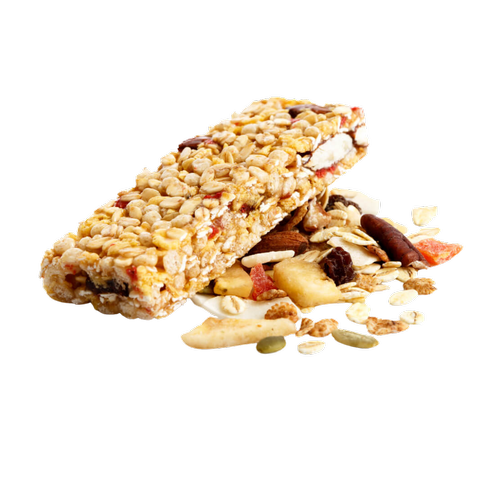
Snacks & Energy Bars
Bring a few favourites from home for the trail.
Questions about any of this?
Not sure whether to bring the poles, or how warm your jacket really needs to be? We'd genuinely rather talk it through than have you guess.
Get in touch Download the PDFGritara Luxury Adventures · Norway · September 2026. Product links go to Backcountry and may be affiliate links — they cost you nothing extra. Every item here is a suggestion, not a requirement: pack to your own preferences.