
The Best Time to Visit Patagonia: A Month-by-Month Guide
Weather, wind, crowds and color across the Patagonian trekking season, and the two windows we book for ourselves.
The short version: the best time to visit Patagonia is between October and April. Inside that window, our favorite months are March and April, and October and November. The days are still long, the trails are quiet, the wind has stepped back from its summer peak, and the light does things you will spend years afterward trying to describe. December to February is the warmest and by far the busiest. May to September is winter, when much of the region closes.
That is the answer most people need. What follows is the version we give travelers who are choosing dates for a trip they have been thinking about for years, and who want to know what each month actually feels like on the trail.
Patagonia Runs on Southern Hemisphere Seasons
Patagonia sits at the bottom of South America, spanning southern Chile and southern Argentina, and its calendar is the mirror image of the northern hemisphere. January is high summer. July is deep winter. The trekking season broadly runs from October through April, with a shoulder at either end.
Two things shape that calendar more than temperature ever will: daylight and wind. In December you can still be walking at ten in the evening. In June the sun barely clears the ridgelines. And the westerly wind that pours off the Southern Patagonian Ice Field is at its most insistent in the summer months, which is precisely when most people choose to go.
Spring in Patagonia: October and November
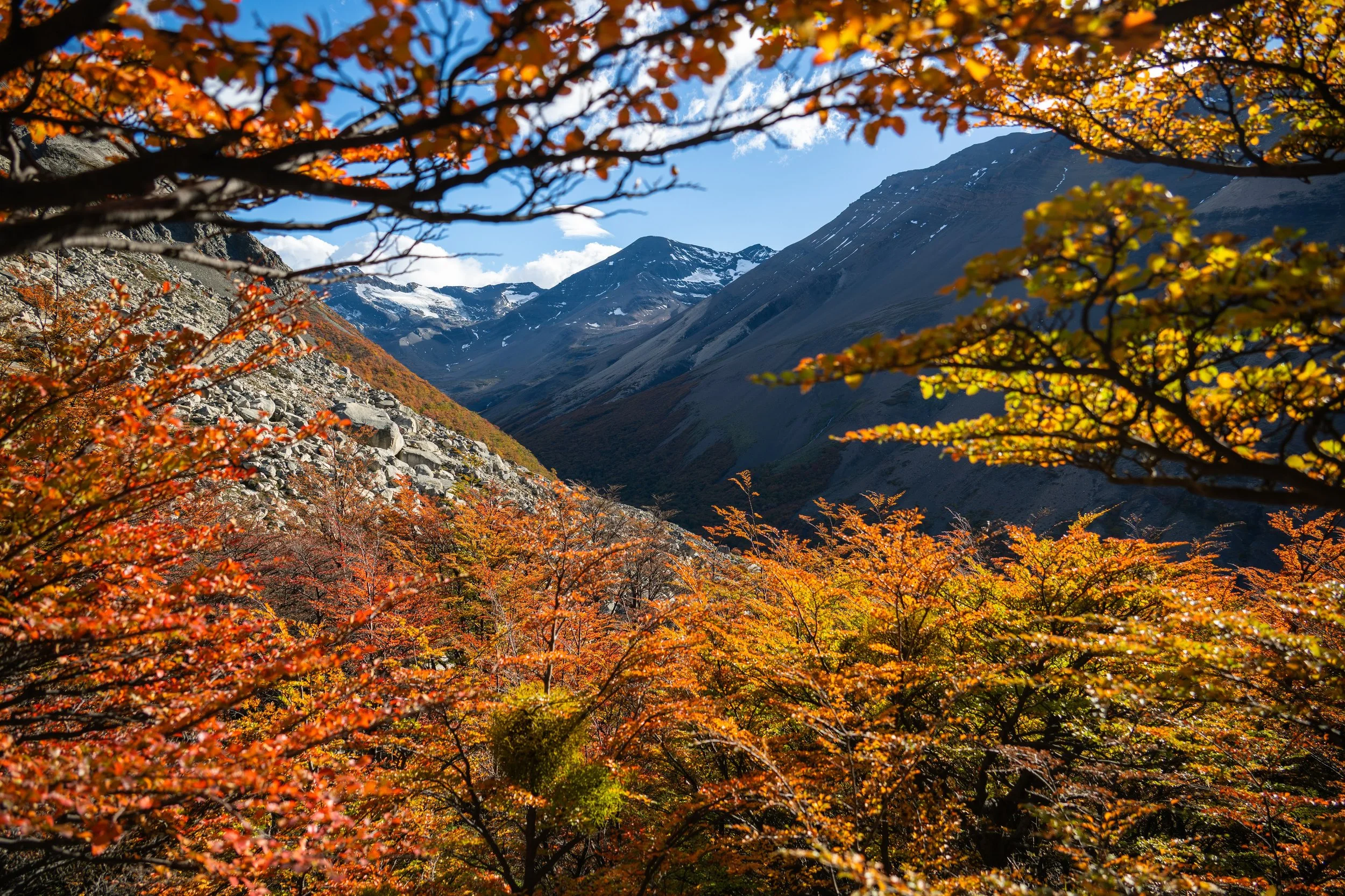
Spring is our quiet favorite. The park wakes up. Lenga forests come into leaf, wildflowers appear across the steppe, guanaco herds drop their young, and the trails are still uncrowded because the summer rush has not started. Days lengthen quickly through November.
The trade-off is variability. Early October can still throw genuine winter at you, with snow lying on the higher passes and some services only just reopening for the season. By November the season is properly underway and conditions are usually excellent.
Best for: wildlife, wildflowers, empty trails and dramatic skies.
Watch for: lingering snow in early October and fast-changing conditions.
Summer in Patagonia: December, January and February
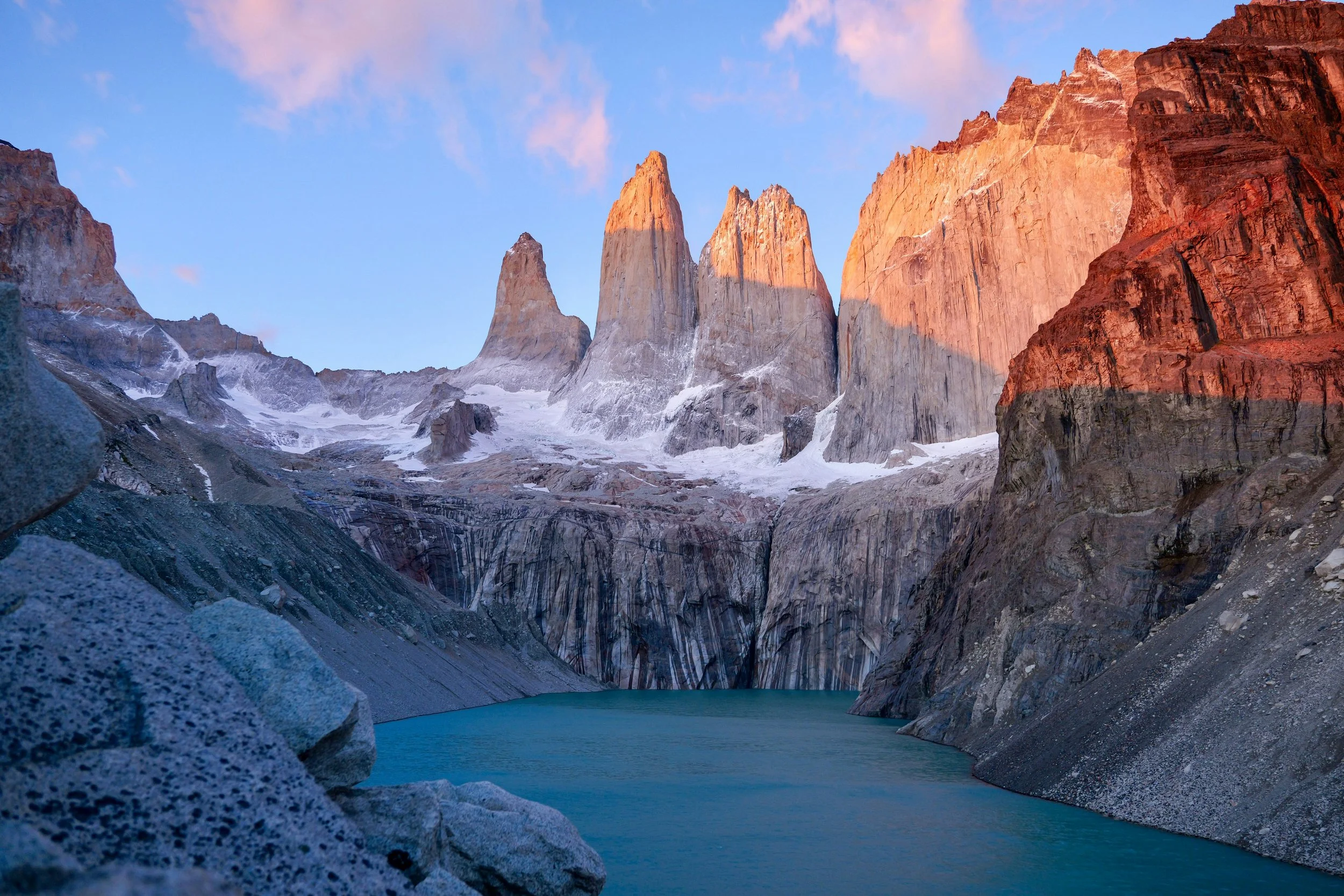
This is peak season, and it earns the name. Temperatures are at their warmest, daylight is at its longest, and every trail and boat crossing is running. If you are traveling with children, or you want the highest statistical chance of a clear morning at the Base of the Towers, summer makes a strong case.
It is also when Torres del Paine feels most like a destination and least like a wilderness. Refugios and campsites are reserved months ahead, the viewpoints have lines, and the famous Patagonian wind is at full strength. Our own Patagonia packing guidance puts it plainly: the strongest winds tend to arrive in the summer months.
Best for: maximum daylight, the warmest weather, families tied to school holidays.
Watch for: crowds, the strongest winds of the year, and accommodation that sells out far in advance.
Fall in Patagonia: March and April
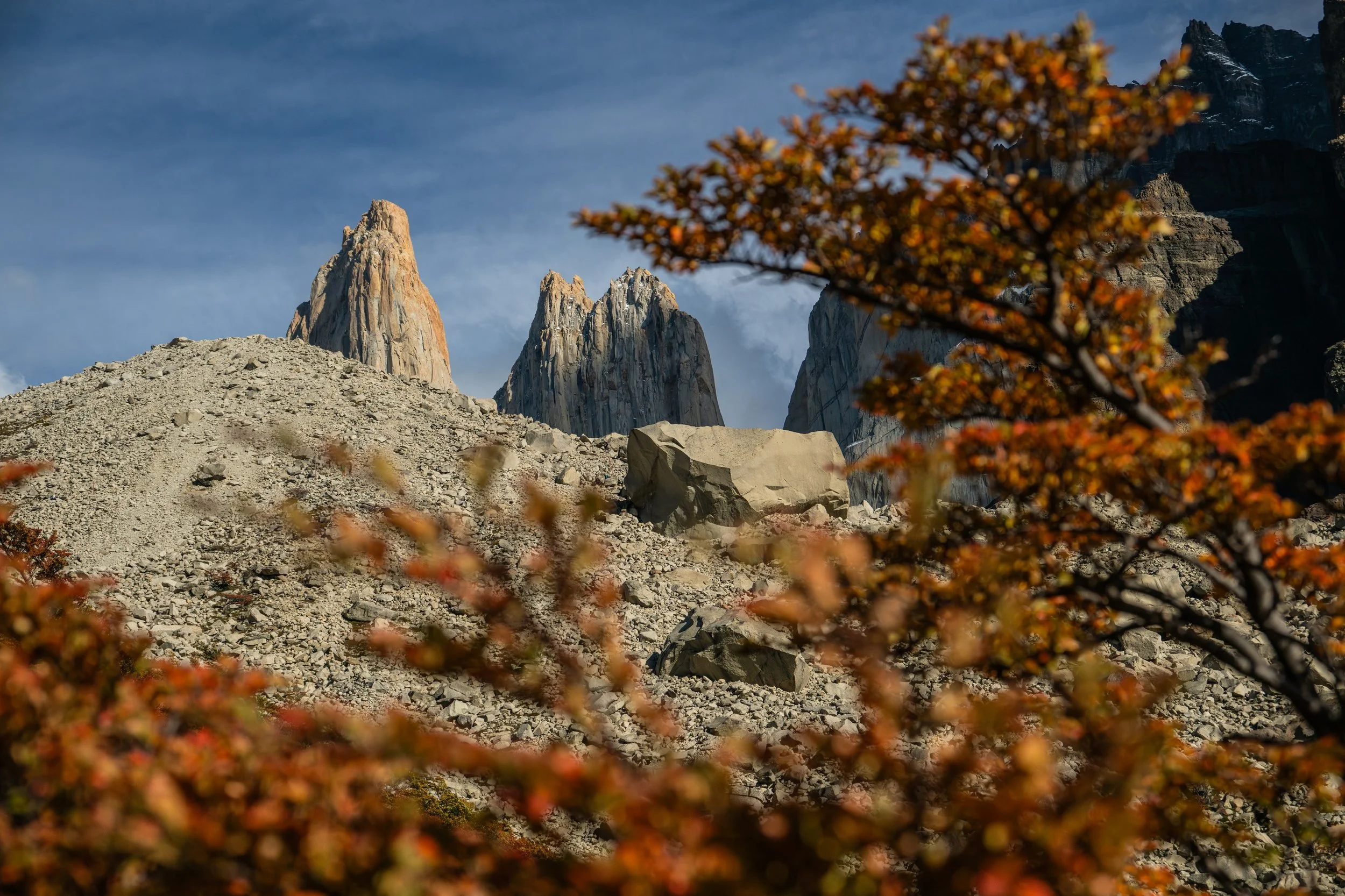
If we had to choose one month, it would be April. Fall is when the lenga forests turn, and the hillsides below the towers move through amber, copper and deep red. The summer crowds thin out dramatically, the wind generally eases, and the low, long light is the reason so many of the photographs that made you want to come here were taken in this window.
Days are shorter than in January but still generous, and mornings are cold enough that you will want the extra layer. It is no accident that our small group departure in Torres del Paine runs in late April.
Best for: fall colors, quieter trails, calmer air and photography.
Watch for: shorter days, cold starts, and some services winding down at the end of April.
Winter in Patagonia: May to September
Winter Patagonia is real, and for a small number of travelers it is the right answer. Snow transforms the massif, the light stays low and golden for most of the short day, and puma tracking is at its best because the cats move to lower ground and the landscape hides nothing.
What you give up is access. The O Circuit closes, many trails and lodges shut for the season, boat crossings stop running, and daylight shrinks to a handful of usable hours. This is a trip for a specific kind of traveler with a specific goal, not a first visit.
Best for: puma tracking, photography and solitude.
Watch for: widespread closures, very short days and genuine cold.
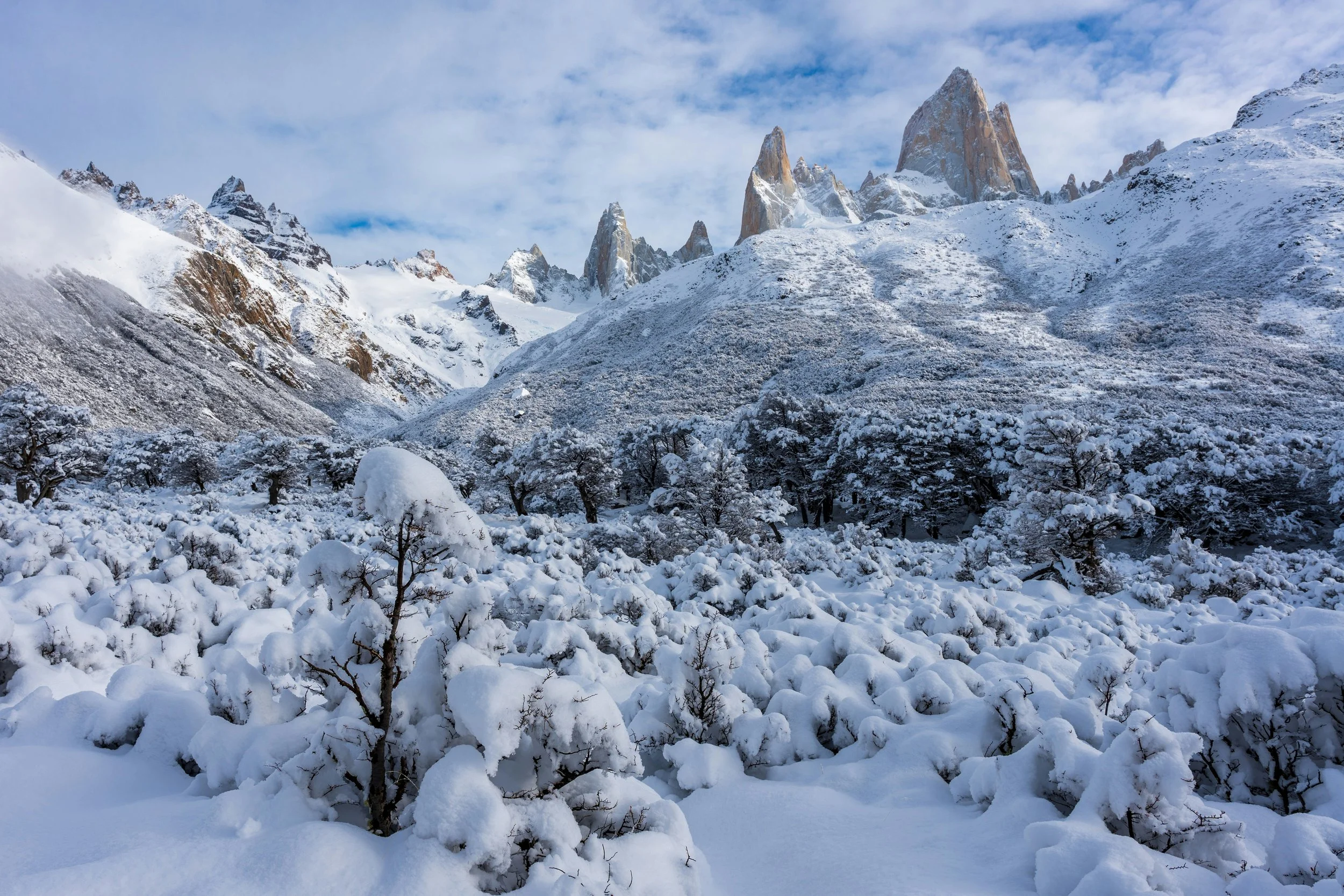
Why We Favour the Shoulder Seasons
Almost every private itinerary we design points first at March to April or October to November. There are three reasons, and they compound.
Space on the trail. The difference between the Base of the Towers in January and the same climb in April is not subtle. In the shoulder months you get the viewpoint to yourself for long stretches, which changes the experience entirely.
Kinder wind. Patagonia is never still, but the summer gusts that knock people off their feet on exposed ridgelines are far less frequent either side of the peak.
Better light and color. Fall gives you the lenga forests turning. Spring gives you fresh green, flowers and new snow on the peaks above. Summer, for all its warmth, gives you a harder midday light and a browner steppe.
What the Wind Actually Does to a Day
Ask anyone who lives in Torres del Paine and they will tell you the same thing: you can get all four seasons in a single day. That is not a figure of speech. A still, blue morning at the trailhead can become sideways rain by lunchtime and clear again by the time you walk out.
This is why we build every itinerary with alternatives rather than a fixed plan, and why layers matter more than any single piece of kit. A waterproof and windproof shell earns its place in the bag on every trip we run, in every month of the year.
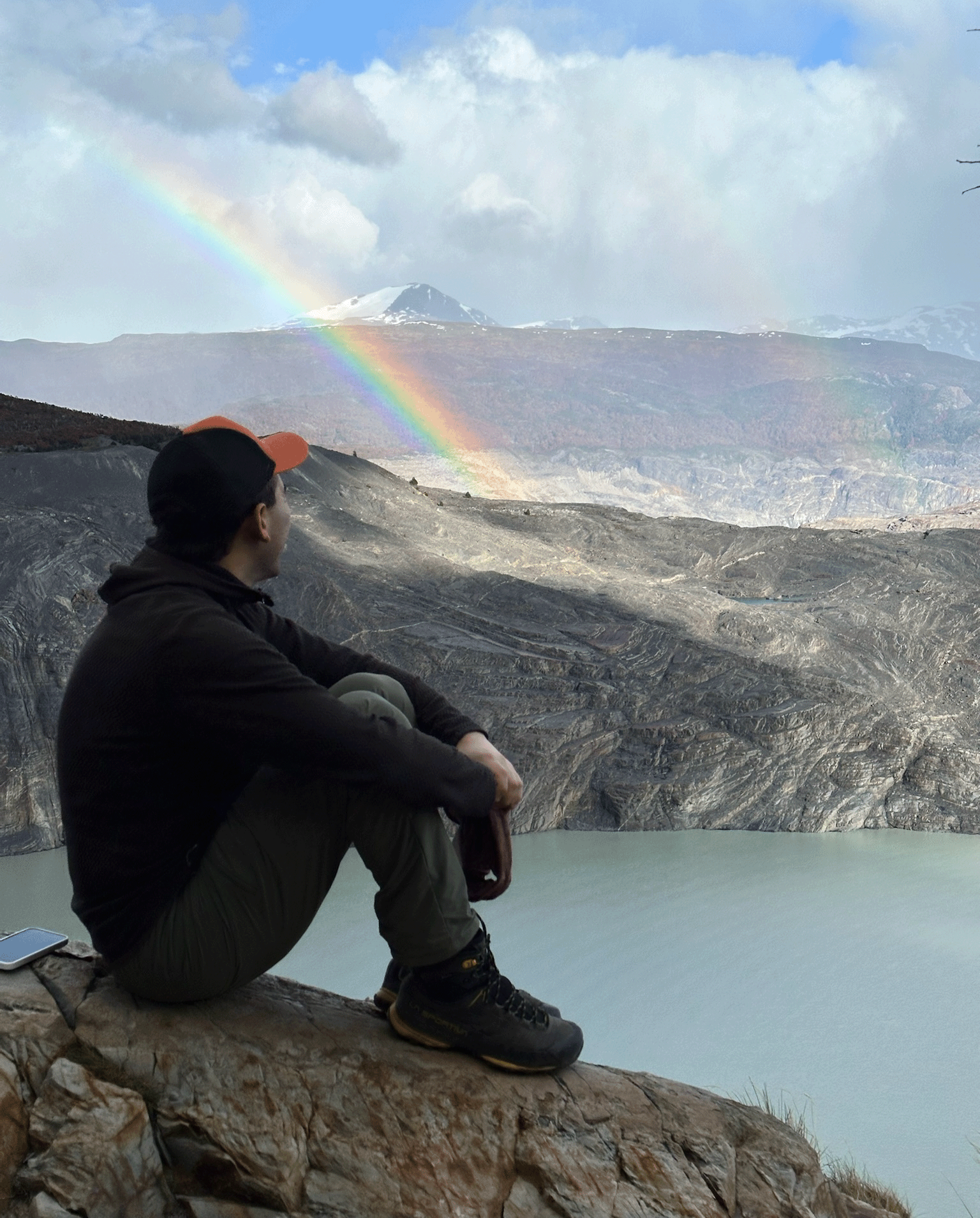
Choose Your Month by What You Came For
Fall color in the lenga forests: April, without much competition.
Quietest trails: October and late April.
Longest days and warmest weather: December and January.
Wildflowers, guanaco calves and nesting birds: November and early December.
Puma tracking: late fall through winter, when the cats come down.
Fitz Roy and Laguna de los Tres: November to March offers the widest weather windows, though April rewards patience.
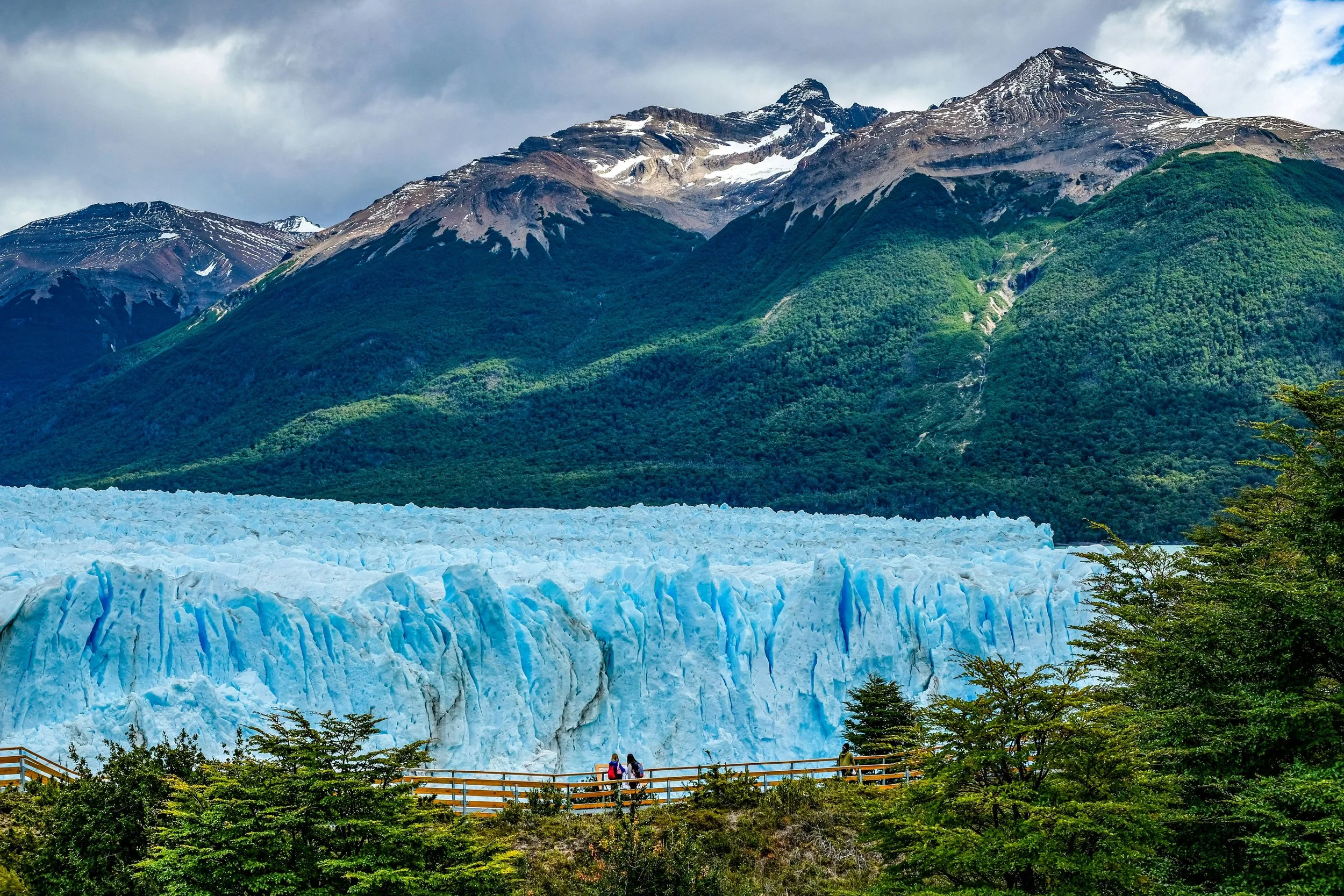
Perito Moreno Glacier: open year round, and spectacular in every season.
How Long to Give It
A week is enough to do Chilean Patagonia properly. Our small group W Trek departure is seven days from Santiago and covers all three arms of the W, with alternatives for every fitness level and a five-star lodge as the base rather than a tent.
Two weeks lets you take in both countries. Our 14-day private Argentine and Chilean Patagonia itinerary runs from Buenos Aires to El Chalten for Fitz Roy, on to the estancia country around El Calafate and Perito Moreno, then across the border by private vehicle into Torres del Paine.
Frequently Asked Questions
What is the single best month to visit Patagonia?
April, if you want fall color, quiet trails and softer wind. November, if you want long days, wildflowers and wildlife with far fewer people than midsummer.
Is Patagonia worth visiting in April?
Yes, and it is one of our favorite months. The lenga forests turn, the crowds have gone and conditions are often calmer than in high summer. Days are shorter and mornings are cold, so plan earlier starts and pack properly.
When is the quietest time to visit Torres del Paine?
Within the main season, October and late April are the quietest. Winter is quieter still, but most trails, lodges and boat crossings are closed.
Can you hike the W Trek in winter?
Parts of it, with a guide and the right conditions, but the full route is not a realistic winter objective for most travelers. The longer O Circuit closes entirely. Winter in Torres del Paine is better spent on wildlife tracking and day walks from a warm base.
How bad is the wind in Patagonia?
At its worst, in December and January, it is strong enough to stop you walking on exposed sections. In the shoulder months it is usually a firm presence rather than an obstacle. Either way, a windproof shell is not optional.
How far ahead should I book a trip to Patagonia?
The best lodges in and around Torres del Paine fill up a long way out, particularly for peak season and for the shoulder weeks that experienced travelers target. If you have fixed dates, start early.
Plan Your Trip
We build trips in Patagonia and nothing else matters to us more. If you already know roughly when you can travel, we can tell you honestly what that month will give you and what it will not. Explore our private Patagonia journeys, see the next small group departure, or get in touch and tell us what you are hoping for.